For years, the story of human evolution was a neat, tidy family tree. Homo sapiens emerged from Africa, spread out, and everyone else just… disappeared. Neanderthals? Dead ends. Homo erectus? Ancient history. We were a clean, unbroken line.
Then scientists started digging a little deeper, and it turns out our family tree is less a tree and more a tangled, sprawling bush that’s been through a few hurricanes. The latest twist in this genetic saga comes from an unexpected place: ancient tooth enamel.
Your Ancestors Were Busy
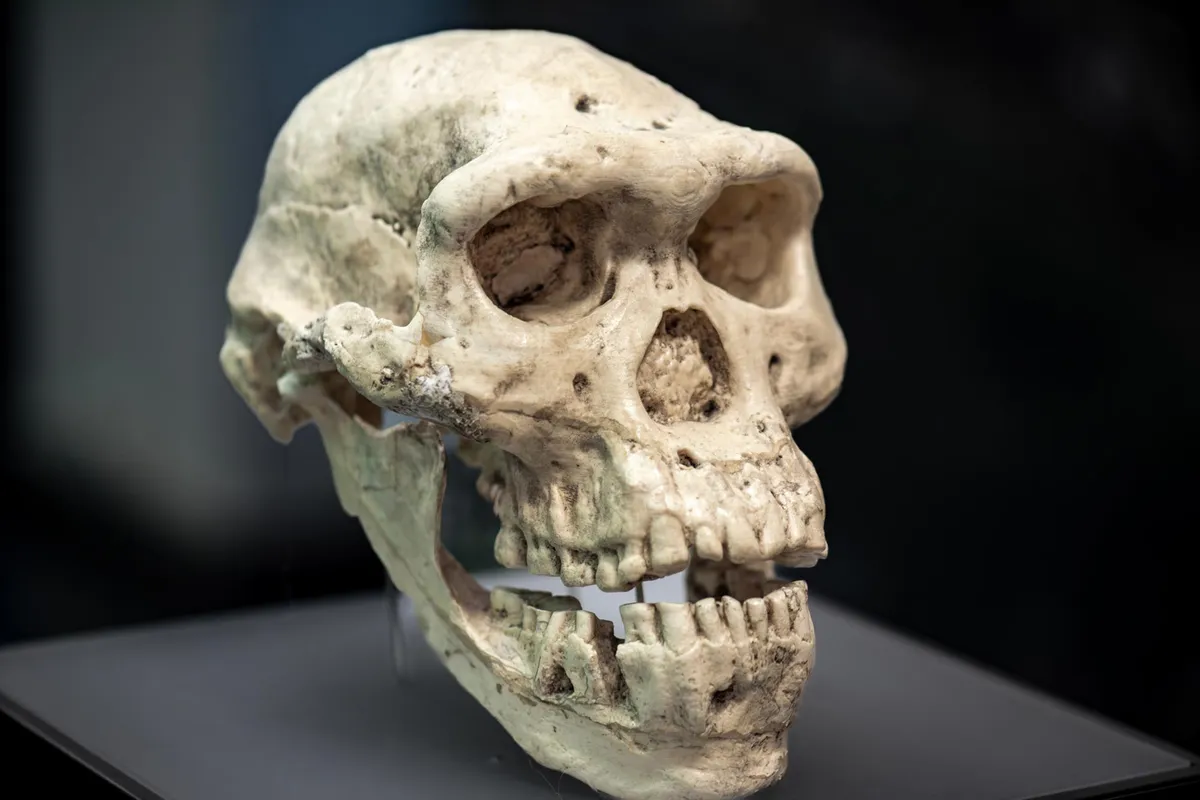
A new study in Nature just dropped a bombshell, suggesting that Homo erectus in East Asia wasn't just hanging out by themselves 400,000 years ago. Nope, they were apparently quite social, swapping genes with Denisovans through some good old-fashioned interbreeding. And the wildest part? That genetic legacy might still be kicking around in people today, particularly in the Philippines, Papua New Guinea, and other parts of Southeast Asia.
We're a new kind of news feed.
Regular news is designed to drain you. We're a non-profit built to restore you. Every story we publish is scored for impact, progress, and hope.
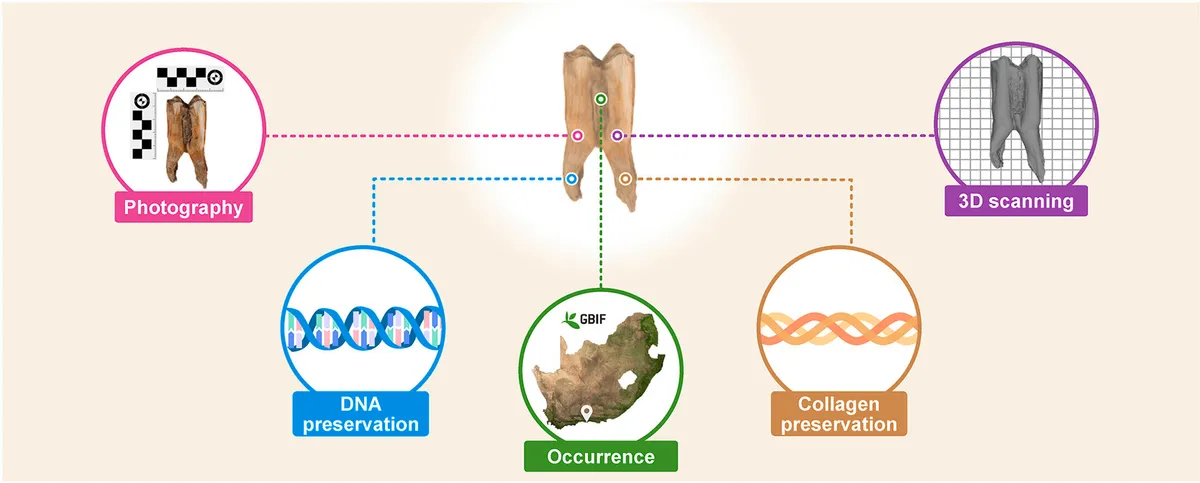
Start Your News DetoxNow, how do you find DNA in fossils too old to preserve it? You don't. You look for something even tougher: proteins. Qiaomei Fu and her team at the Chinese Academy of Sciences analyzed ancient proteins from six Homo erectus teeth found across China, all dating back around 400,000 years. Tooth enamel, it turns out, is the unsung hero of molecular archaeology.
What they found was a molecular signature – a tiny amino acid variant – that had never been seen in any other hominin, living or extinct. This variant effectively stamped these East Asian H. erectus as a distinct group. But then came the kicker: a second variant they shared was also present in Denisovans, those mysterious ancient humans we mostly know from a Siberian cave. And here’s where it gets really fun: that same variant shows up in living humans, with 21% frequency in the Philippines and about 1% in India. The most likely explanation? H. erectus passed it to Denisovans, who then passed it to the ancestors of modern Southeast Asians and Oceanians. So, that "dead end" H. erectus lineage? Turns out they left a molecular breadcrumb trail from a Peking Man tooth straight into modern human genomes. Take that, neat family tree.
It's a Braided River, Not a Branch
The bigger picture here is that interbreeding wasn't some rare, awkward encounter. It was apparently the norm. Every major hominin lineage scientists have studied shows evidence of mixing. Modern humans outside Africa carry about 2% Neanderthal DNA. People in Papua New Guinea and Aboriginal Australians have an additional 2–5% Denisovan ancestry. West African populations have genetic whispers of an unidentified ancient lineage.
Even the Denisovans themselves, as this study reinforces, received genes from something older and more distinct – likely H. erectus. Our genomes aren't from a single, unbroken line; they're mosaics, patchwork quilts of contributions from many ancient groups, each adapted to its own environment.
This protein-based detective work opens up fascinating possibilities. H. erectus lived in Indonesia until about 100,000 years ago. Homo floresiensis, the "hobbit" species, was on Flores when modern humans arrived. Homo luzonensis lived in the Philippines. None of these have yielded DNA. But if proteins can be pulled from 400,000-year-old H. erectus enamel, maybe we’ll finally find out if these other "lost" lineages also contributed to the humans who came after them.
The old idea of human evolution as a tree is officially retired. It's a braided river, constantly exchanging currents, with ancient populations disappearing but leaving their genetic ripples behind. Which, if you think about it, is a far more interesting story.