Get ready to toss your old, sticky sunscreen, because something big just happened. For the first time in two decades, the U.S. Food and Drug Administration (FDA) has finally approved a new active ingredient for sunscreens: bemotrizinol. Yes, really. Twenty years. Let that satisfying number sink in.
This isn't just a fancy new chemical; it's a genuine game-changer that promises more effective protection against those pesky UVA and UVB rays. Think of it as the glow-up your skin protection has been desperately waiting for. And the best part? Europe and Asia have been enjoying this stuff for years, safely and effectively. We're just fashionably late to the party.
The Sunscreen Glow-Up
Bemotrizinol, which will likely appear in products as PARSOL Shield by late 2026, is a broad-spectrum hero. It tackles both types of UV rays and, crucially, doesn't soak into your skin like a sponge. The FDA has deemed it "generally recognized as safe and effective" (GRASE) for everyone from six-month-old babies to adults. Because, apparently, even tiny humans need top-tier sun defense.
We're a new kind of news feed.
Regular news is designed to drain you. We're a non-profit built to restore you. Every story we publish is scored for impact, progress, and hope.
Start Your News DetoxThis new filter is also photostable, which is a fancy way of saying it won't break down and abandon its post the moment the sun hits it. It stays on your skin, doing its job, rather than disappearing into your bloodstream. Which, if you think about it, is both impressive and slightly terrifying that we've been waiting this long for it.
This approval is expected to ignite a veritable sunscreen renaissance in the U.S. For too long, our sun protection tech has been stuck in the 1990s. The FDA's acting director, Mike Davis, even chimed in, noting that this progress is a testament to what happens when you modernize processes and let sound science lead the way. Seven months for approval? That's practically warp speed for a government agency.
Why This Matters (Besides Avoiding That White Cast)
While current U.S. sunscreens do an okay job, bemotrizinol brings a superior broad-spectrum game and unmatched staying power. It means your sunscreen will actually last longer and work better while you're out living your best, sun-drenched life.
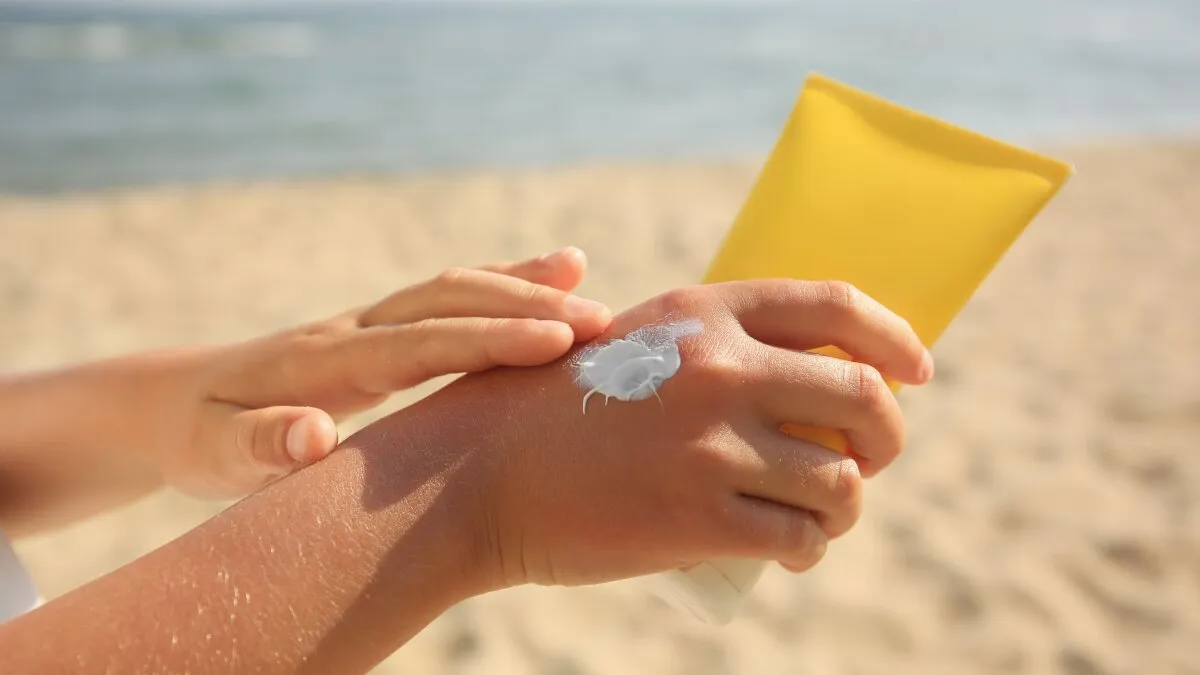
Plus, for all you sensitive-skinned folks, it's less likely to cause irritation. And perhaps the most universally celebrated benefit: it's expected to lead to lighter, less visible creams and lotions. No more looking like a ghostly mime after applying your SPF, especially compared to some of those mineral-only options. Because let's be honest, the easier and less visible sunscreen is, the more likely we are to actually use it.
And we really, really need to use it. Skin cancer is the most common cancer in the U.S., with about 90% of non-melanoma cases directly linked to UV exposure. More people are diagnosed with skin cancer each year than all other cancers combined. So, a better, less annoying sunscreen isn't just a cosmetic upgrade; it's a public health victory. Now, if only we could get them to speed up those 2026 release dates...