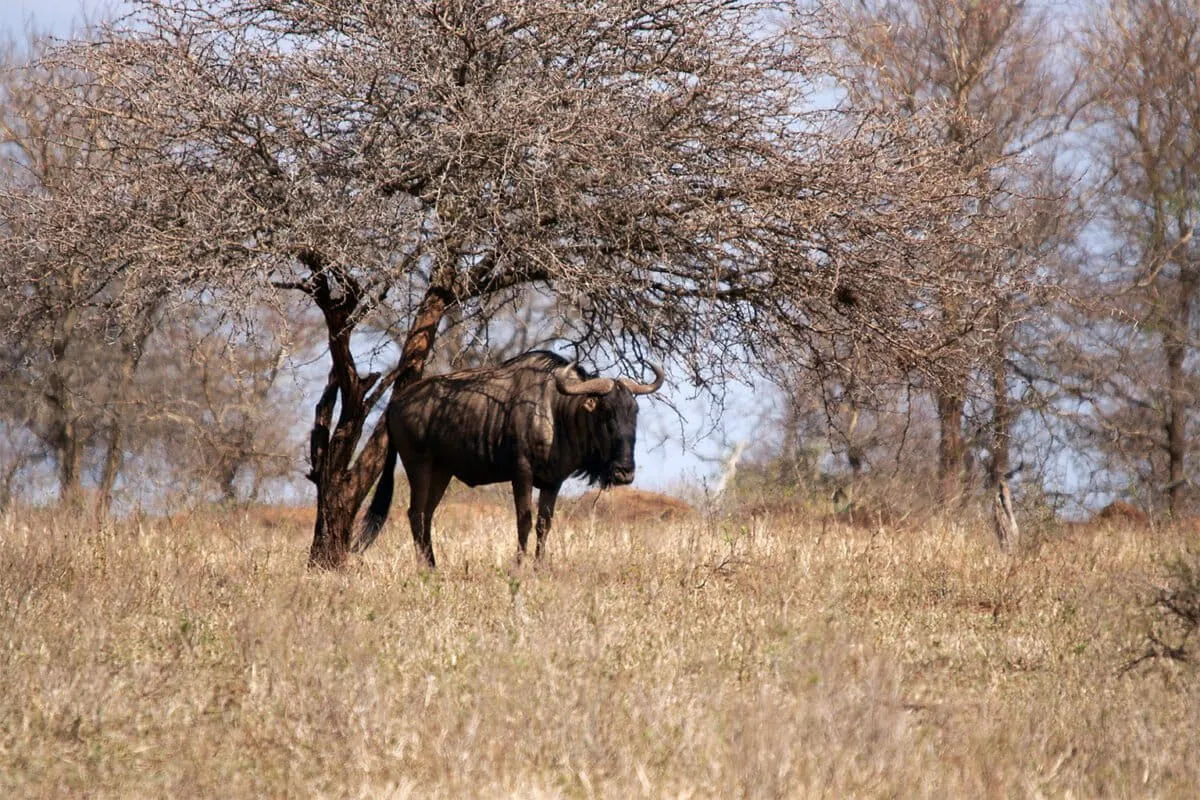
Intense flooding swept across northeastern South Africa in mid-January, forcing Kruger National Park to close its gates to day visitors. The damage was immediate and extensive: bridges washed out, dam walls compromised, roads submerged. By early February, South African National Parks (SANParks) had begun reopening sections of the park, but the real work was just starting.
The repair bill alone could reach $30 million, according to South Africa's environment minister Willie Aucamp. But the financial wound goes deeper. In just one month, tourist visits dropped 41% compared to January of the previous year — a collapse that threatens the revenue stream keeping the entire national parks network afloat.
Getting People Back In
Tom Vorster, acting director of the Maruleng Tourism Association, describes what's happening on the ground: SANParks crews are working "frantically" to build bypass routes around the worst damage. Eighty tourism-linked companies in and around the town of Hoedspruit depend on access to Kruger's Orpen Gate. Without visitors, they face layoffs. With each reopened road, that pressure eases slightly.
We're a new kind of news feed.
Regular news is designed to drain you. We're a non-profit built to restore you. Every story we publish is scored for impact, progress, and hope.
Start Your News DetoxThe strategy is pragmatic. Rather than wait for full repairs, teams are constructing alternative routes that let tourists reach the park's core attractions. It's a temporary fix, but it's working. Roads are reopening in phases. Camp infrastructure is coming back online. The park that draws hundreds of thousands of visitors annually is slowly becoming accessible again.
What's striking is the speed of the response. SANParks could have waited until every bridge was rebuilt to the original standard. Instead, they're prioritizing access — because a closed park generates zero revenue, while a partially open one keeps the ecosystem funding flowing and communities employed.
The flooding itself came from the same weather systems that affected Mozambique and other parts of the region. Climate variability is becoming the new normal in southern Africa, which means parks like Kruger will likely face similar shocks again. That reality is already shaping how SANParks thinks about infrastructure: more resilient, more adaptable, built to bounce back faster.
For now, the focus is on getting visitors back through the gates. Each reopened road is a small victory — not just for the park's finances, but for the communities whose livelihoods depend on people coming to see Africa's wildlife.