Every school in England will soon be required to train all staff on allergy awareness and stock spare adrenaline auto-injectors on site. It's a shift that sounds small until you realize it's the difference between a child getting help in time and not getting help at all.
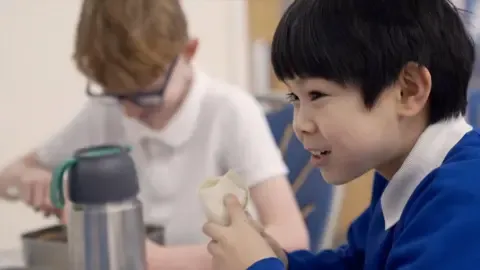
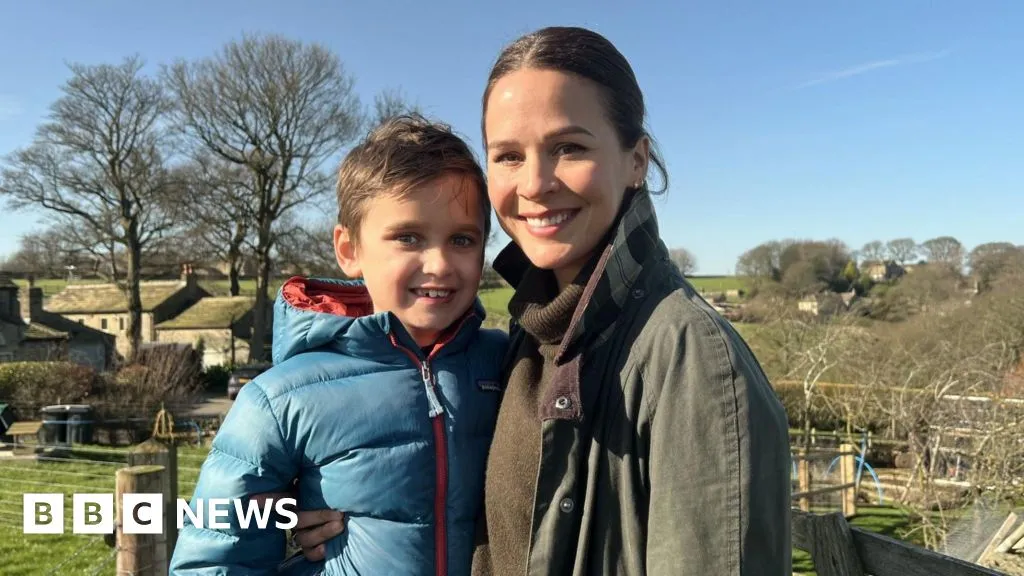
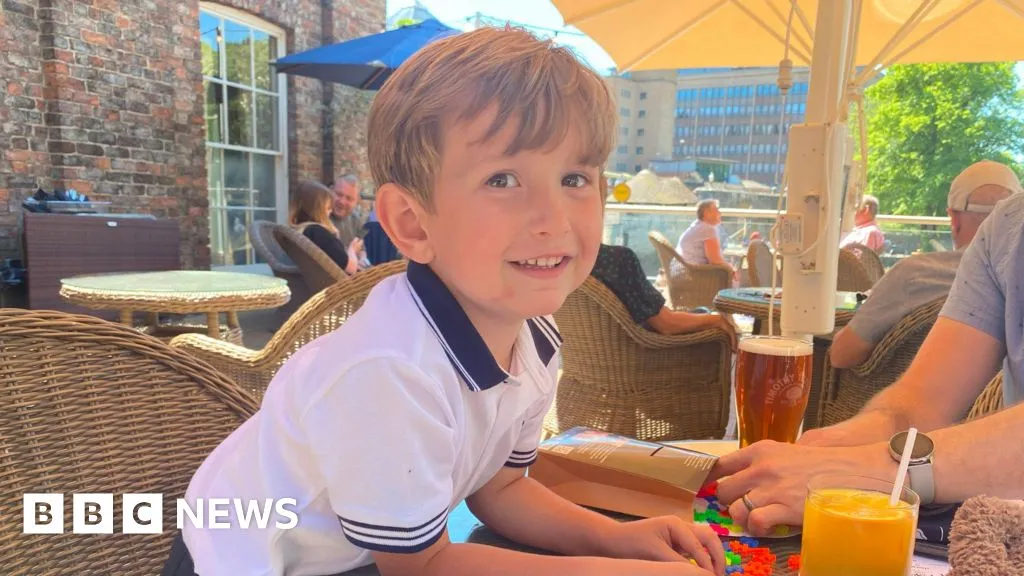
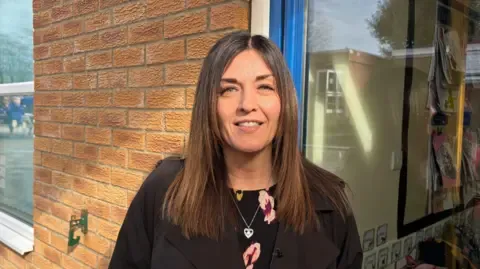
The new statutory guidance follows years of campaigning by Helen Blythe, whose five-year-old son Benedict died from anaphylaxis at school in December 2021 after being given food containing milk — despite his allergy being documented. An inquest revealed a cascade of failures: staff didn't recognize his symptoms quickly enough, and he didn't receive his medication in time. "We don't want any other families to go through what we've been through," Blythe said this week.
The scale of the gap
Right now, the gap is stark. A freedom of information request in 2024 found that 70% of English schools lacked recommended allergy safeguards. Half didn't have adrenaline pens on site at all. Meanwhile, 680,000 children in England live with allergies, and last year schools lost 500,000 days of learning to allergy-related illness or medical appointments.
We're a new kind of news feed.
Regular news is designed to drain you. We're a non-profit built to restore you. Every story we publish is scored for impact, progress, and hope.
Start Your News Detox
The new rules will make three things compulsory: staff training on allergy awareness, emergency adrenaline auto-injectors kept on school premises, and individualized allergy management plans for affected children. Schools already doing this work — and many are — won't need to overhaul their systems. But the schools that haven't yet will now have to catch up.
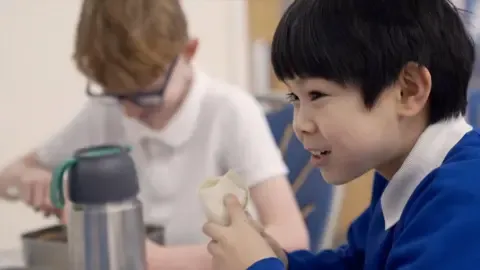
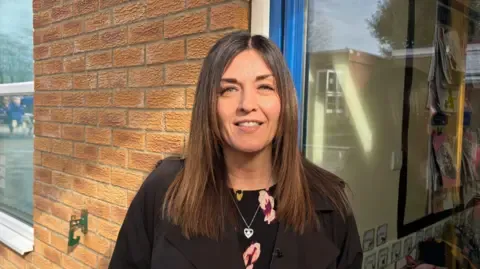
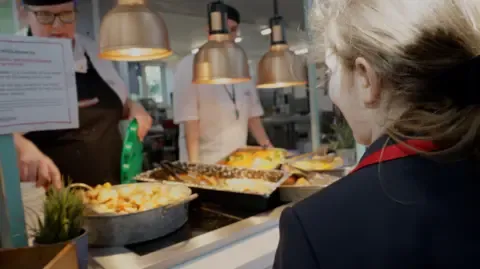
Helen Houghton, headteacher at Warton Primary School in York, where 5% of students have allergies, describes the guidance as "fundamental." Her school already meets with parents one-to-one to build personalized medical plans and chooses allergy-safe resources even for science experiments. "It's about changing the culture and environment," she says. "It must be terrifying to be a parent of a child with allergies."
There's a funding question hanging over this. Schools leaders' union NAHT has flagged that each new requirement needs resources, and school budgets are already stretched. The government's response: this is reasonable for schools to fund from core budgets, and they'll work with schools to make it manageable. It's a tension that will likely play out over the coming months.
What this means for families
Blythe frames the shift in generational terms: "This is the first generation of children that will be starting school in September who will be in an environment that will be completely safe for them in terms of those allergy safeguards being in place." It's a small phrase that carries weight. For parents who've lived with the anxiety of sending an allergic child to school, or for families who've lost a child, this represents a fundamental change in how schools approach safety.
The guidance takes effect in September 2024 after a consultation period. It's part of a broader push to reform school food systems and expand free school meals to 500,000 additional children — connecting food safety and food access in one policy sweep. Neither change will fix everything, but both move in the direction of keeping more children in school and keeping them safer while they're there.