Turns out, even divine kings aren't immune to public pressure. New research at the ancient Maya city of Ucanal in Guatemala reveals that over 1,000 years ago, public opinion started muscling its way into Maya politics, nudging rulers from their private palaces into decidedly more public forums. It's almost like the original focus group.
This shift, happening between roughly 810 and 950 AD, saw the mighty, god-like Maya kings of the Classic period (300–810 AD) transition from making all the big decisions behind closed doors to, well, sharing. By the Late Postclassic period (1200–1521 AD), council systems were the norm, with leaders actually collaborating. Imagine that.
When Kings Needed a PR Team
The Terminal Classic period (810–1000 AD) was a bit of a rough patch for the Maya — political instability, population drops, the usual. Dr. Christina Halperin from the University of Montreal wondered how they managed to pivot their entire governing system during such a chaotic time. Her team dug into a civic building at Ucanal, and their findings, published in Antiquity, tell a pretty compelling story.
We're a new kind of news feed.
Regular news is designed to drain you. We're a non-profit built to restore you. Every story we publish is scored for impact, progress, and hope.
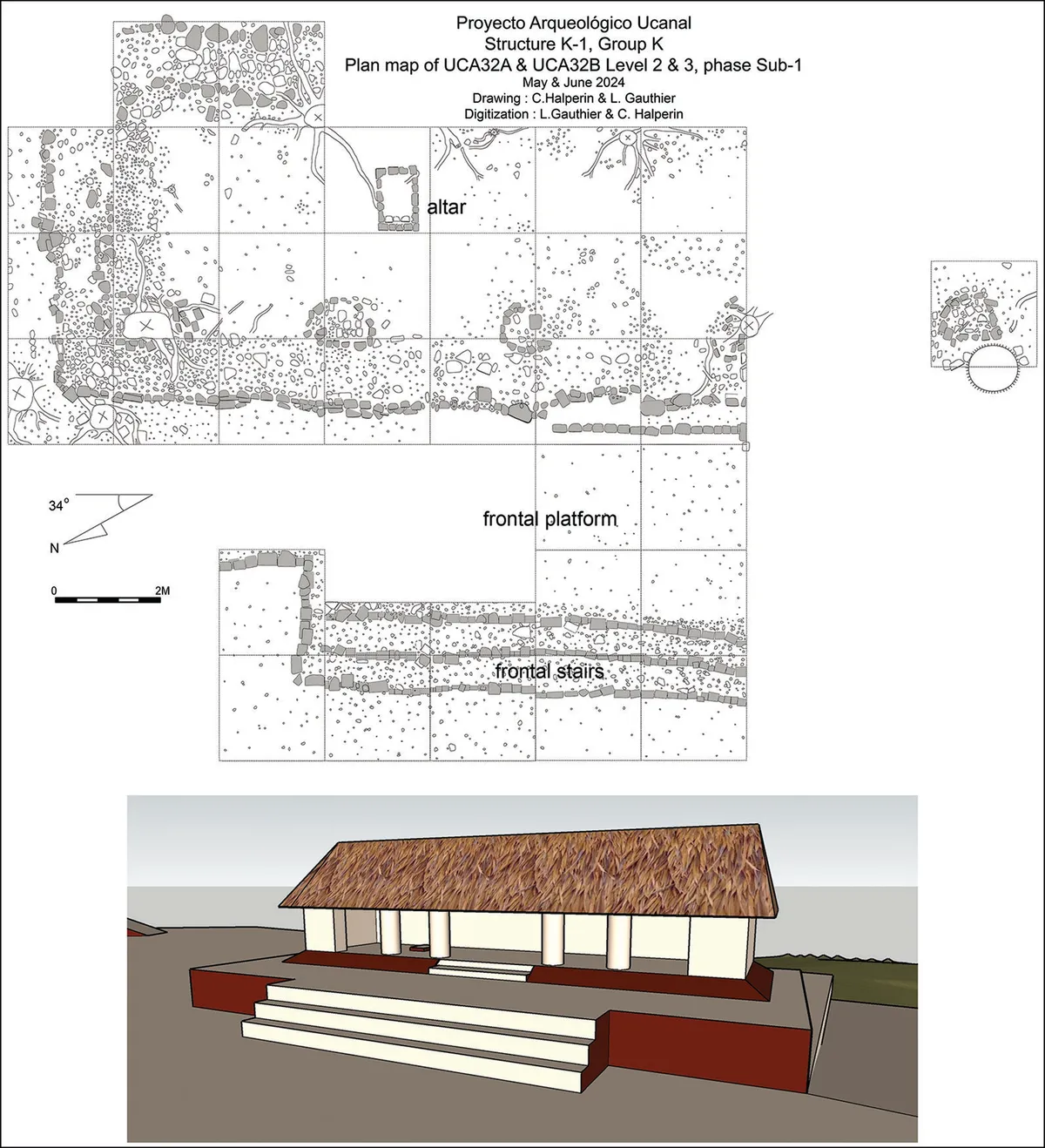
Start Your News DetoxWhat they found was an open hall with columns, likely an early council house. This was where the important stuff happened: war strategies, laws, feast planning, even wedding prep. The kicker? It was all out in the open, visible to anyone in the public plaza. This was a stark departure from the old ways, where decisions were made in private palaces, emphasizing the king's singular, divine power.
Dr. Halperin points out that these new civic buildings popped up in large public plazas, their open fronts essentially broadcasting the government's activities. Transparency, Maya-style. This wasn't just for show, either. The construction of this particular building coincided with a new ruler, Papmalil, taking the throne. Under his reign, and those that followed, new public buildings and water systems were built — projects that directly benefited ordinary residents. Suddenly, the public wasn't just watching; they were influencing. Public agreement became crucial for leaders to hang onto their power, leading to a more cooperative government and, dare we say, a more engaged populace.
So, the ancient Maya didn't just collapse into dust. They adapted. They changed their institutions, balancing the power of kings with a healthy dose of consensus. Because, apparently, even millennia ago, nobody likes a dictator who won't at least pretend to listen.