For centuries, it was just a whisper in old stories, a ghost in 19th-century records. Now, archaeologists in Estonia have officially put a pin on the map for a 2,000-year-old Iron Age hillfort. Turns out, the legends were right. And the truth is a bit more dramatic than just a pile of old rocks.
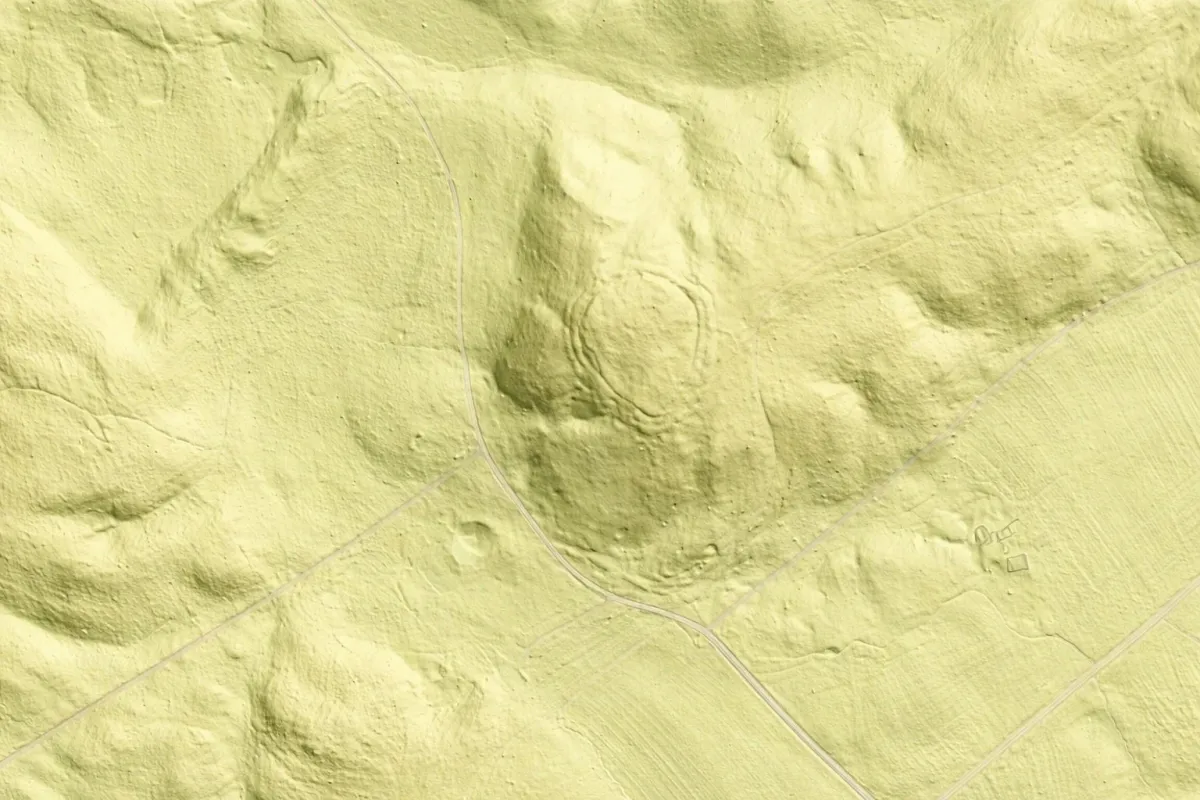
Experts from the University of Tartu, armed with some serious mapping tech, confirmed the location at Köstrimägi in Tartu County. What they found was a settlement that, by all accounts, had a very bad, very short life.
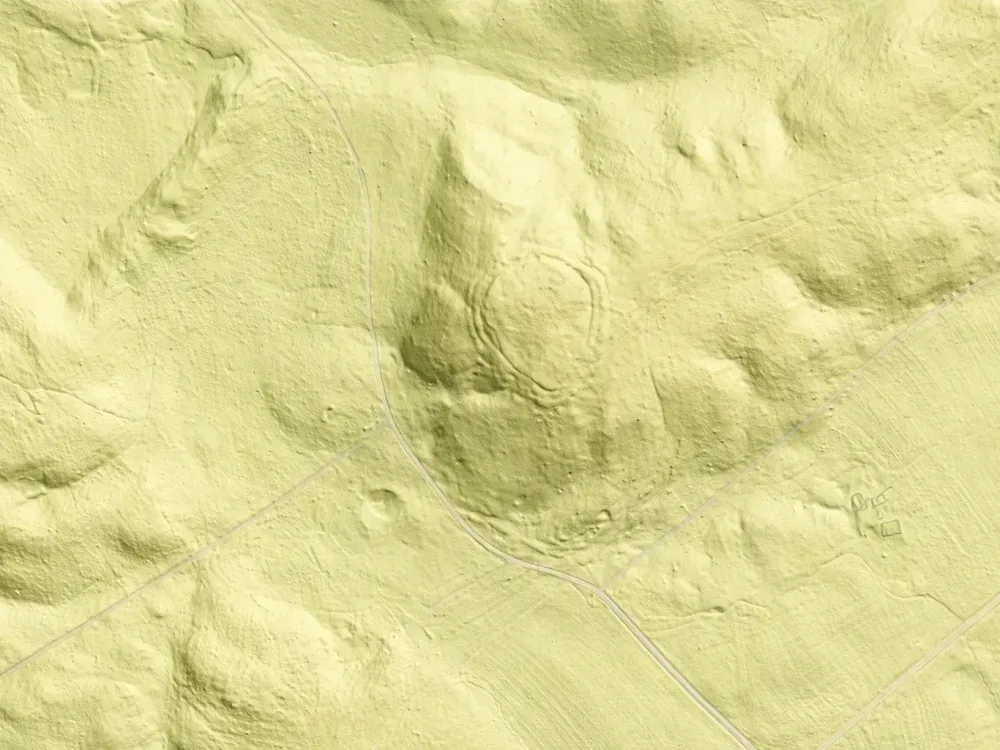
This wasn't your average cozy ancient village. Spanning 16,000 square feet, it's larger than most early hillforts in southern Estonia. But here's where it gets weird: it had a stepped rampart system, complete with shallow ditches and walls that barely reached three feet high. Because apparently, the Iron Age equivalent of a speed bump was considered a defense strategy.
We're a new kind of news feed.
Regular news is designed to drain you. We're a non-profit built to restore you. Every story we publish is scored for impact, progress, and hope.
Start Your News DetoxProfessor Heiki Valk noted these layered defenses are practically unheard of in Estonian hillforts. He suspects it points to outside influences, or perhaps a purpose beyond, you know, defending anything. Maybe it was just really good at keeping sheep in.
A Short, Fiery Existence
Excavations in 2024 didn't unearth much — a few pottery shards, some charcoal, and burnt wood. But that burnt wood was the real MVP. Radiocarbon dating confirmed the fort was active between 41 BCE and 9 CE. Let that satisfying number sink in. It also confirmed the whole "short life" theory.
And what ended that short life? Fire. The settlement was torched. Researchers now believe the builders were likely newcomers, possibly migrants from modern-day Latvia, given their equally underwhelming rampart structures. It seems these new neighbors might have had a rather blunt introduction to the local communities.
The Köstrimägi hillfort remains a delightful historical mystery, a testament to ancient drama and questionable architectural choices. Archaeologists are hoping more digging will reveal just who these fiery-tempered, low-wall-building folks really were.