


Fifty-five thousand years ago, the forests around Liang Bua cave on the Indonesian island of Flores dried up. The rivers stopped flowing. The prey animals vanished. And with them went Homo floresiensis — a species of small-bodied humans who had called that cave home for 140,000 years.
Now, researchers from the University of Wollongong and an international team have pieced together what happened. By analyzing chemical signals trapped in cave stalagmites and isotopic evidence from fossilized teeth of pygmy elephants, they've built a climate record precise enough to explain why our closest extinct human relatives disappeared.
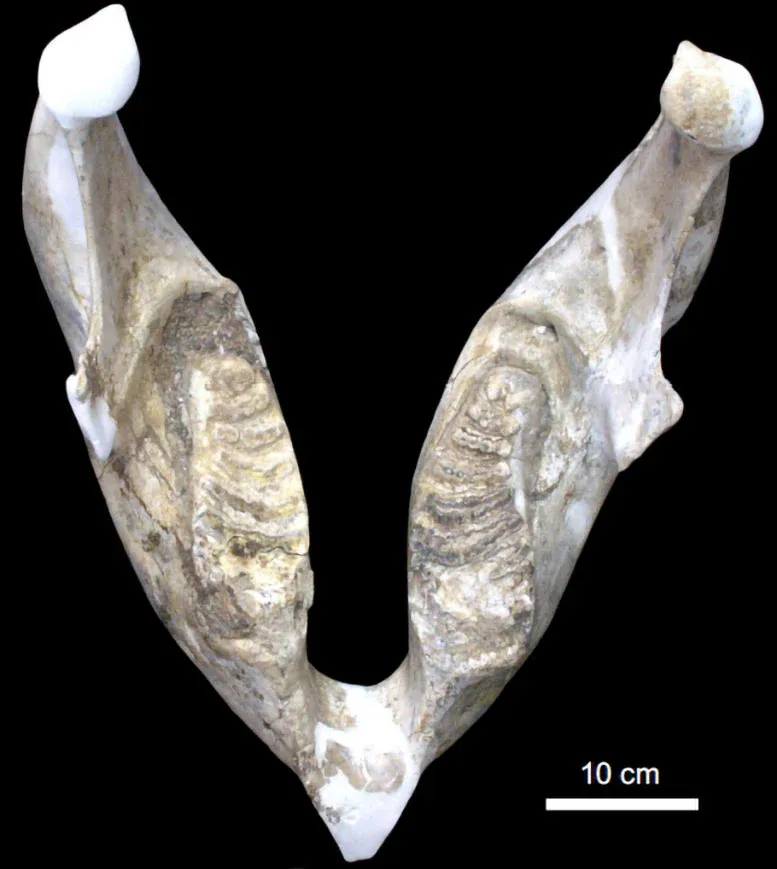
The story begins with a slow shift. Around 76,000 years ago, the region began drying. But between 61,000 and 55,000 years ago, that dry trend became severe — a prolonged drought that stressed everything in the ecosystem at once. The hobbits, who stood roughly 3.5 feet tall, depended heavily on these pygmy elephants (Stegodon florensis insularis) for food. As river water became scarce, the elephant population collapsed. Without their primary prey, the hobbits faced a choice: stay and starve, or leave and search for water and food elsewhere.
We're a new kind of news feed.
Regular news is designed to drain you. We're a non-profit built to restore you. Every story we publish is scored for impact, progress, and hope.
Start Your News Detox
"Surface freshwater, Stegodon and Homo floresiensis all decline at the same time," explains Dr Gert van den Berg, one of the study authors. "Competition for dwindling water and food probably forced the hobbits to abandon Liang Bua." What makes this finding striking is its precision — the researchers didn't just show that climate changed and then hobbits disappeared. They showed these things happened together, in the same decades.

But there's a darker possibility embedded in the data. Modern humans were moving through the Indonesian archipelago around the exact time the hobbits left their cave. As the climate pushed the hobbits out into unfamiliar territory, searching for survival, they may have encountered Homo sapiens for the first time. "It's possible that as the hobbits moved in search of water and prey, they encountered modern humans," says lead researcher Dr Mike Gagan. "In that sense, climate change may have set the stage for their final disappearance."
The research published in Communications Earth & Environment adds another layer to how we understand extinction. It's rarely a single blow — instead, environmental stress fractures the systems a species depends on, forces movement, creates vulnerability. The hobbits' story isn't unique in that sense. What's remarkable is how clearly the climate record now shows it. The study demonstrates that even in deep prehistory, we can read the fingerprints of climate change in stone and bone. And what those fingerprints tell us is that survival has always been tied to the stability of the world around us.





