Every July, western leopard toads begin their journey across Cape Town's roads. It's a trip that shouldn't be life-threatening, but for an endangered species hemmed in by urban sprawl, crossing asphalt has become one of the deadliest parts of their lifecycle.
These toads were once scattered across the Cape Peninsula, Kleinmond, Betty's Bay and the Agulhas Plain. Over the past two decades, urban development has carved away most of their habitat. Today, the core populations cling to just three areas: Noordhoek, Tokai and Constantia. The smaller populations that once existed on the periphery are gone.
During breeding season—late July through September—toads must reach ponds to mate and lay eggs. In the wild, this would be routine. In Cape Town, it means dodging cars on busy roads. "Roads and toads are not a great combination," says Andrew Turner, scientific manager for CapeNature, the government body managing conservation in South Africa's Western Cape. "A lot of people don't see them, or are traveling too fast to avoid them, and then you end up with squished toads."
We're a new kind of news feed.
Regular news is designed to drain you. We're a non-profit built to restore you. Every story we publish is scored for impact, progress, and hope.
Start Your News DetoxTurning the Tide on Roads
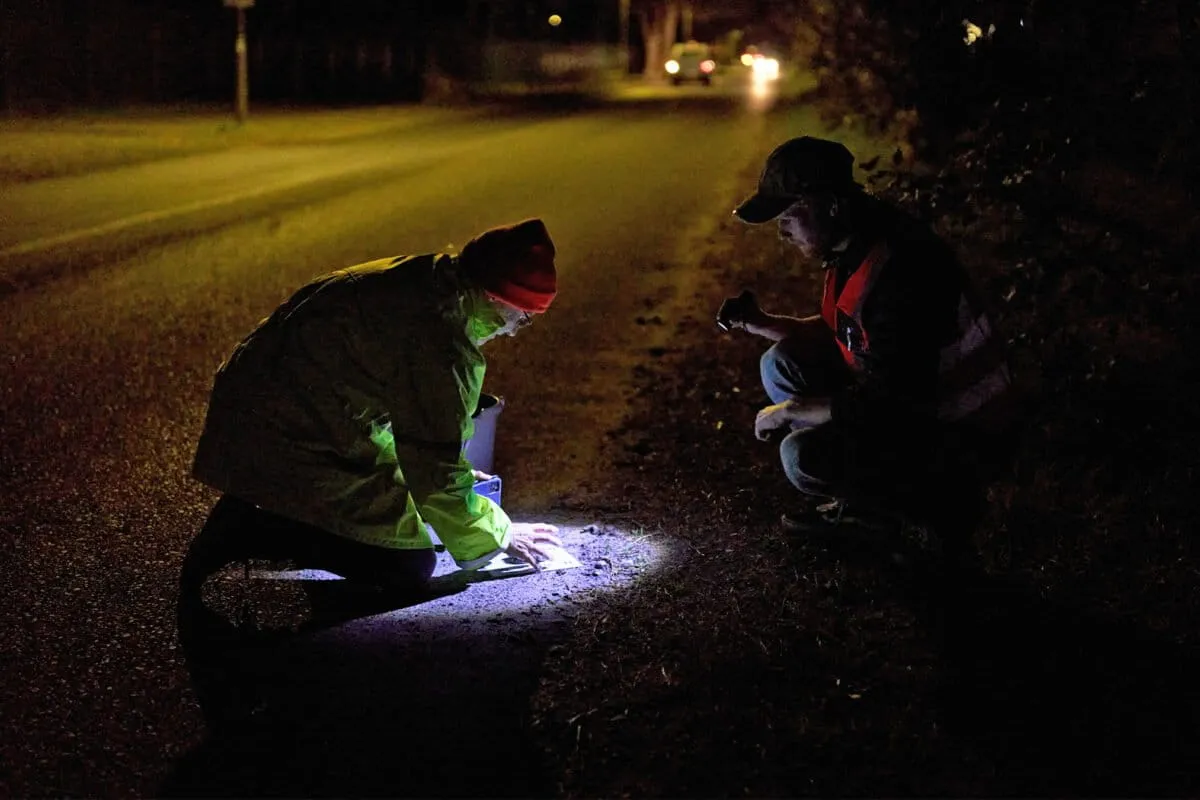
CapeNature has responded with a three-part approach. Temporary fencing funnels toads toward designated crossing points. Speed bumps slow traffic during peak migration nights. And volunteers—drawn from the local community—physically help toads across the road when needed.
The combination is working. Turner reports that toad populations in core areas are stabilizing, and in some cases showing early signs of recovery. Part of this success comes from something less tangible: people now notice. Residents report toad sightings. Drivers slow down. The species has shifted from invisible to protected in the public mind.
Habitat loss continues, but at a measured pace now. With little undeveloped land left in the toads' range, new development applications face much closer scrutiny. It's not a reversal—the smaller, peripheral populations are unlikely to return—but it's a halt to the free fall.
Turner remains cautiously optimistic. "It's going to be an ongoing battle," he says, "but with continued vigilance and conservation action, we can help these creatures reclaim their place in the urban landscape." What started as a collision between endangered wildlife and city life is becoming, instead, a conversation about coexistence.