An 18th-century portrait, once delivered to a BBC show wrapped in a sleeping bag, has been identified as a work by Katherine Read. She was one of Scotland’s most famous female artists.
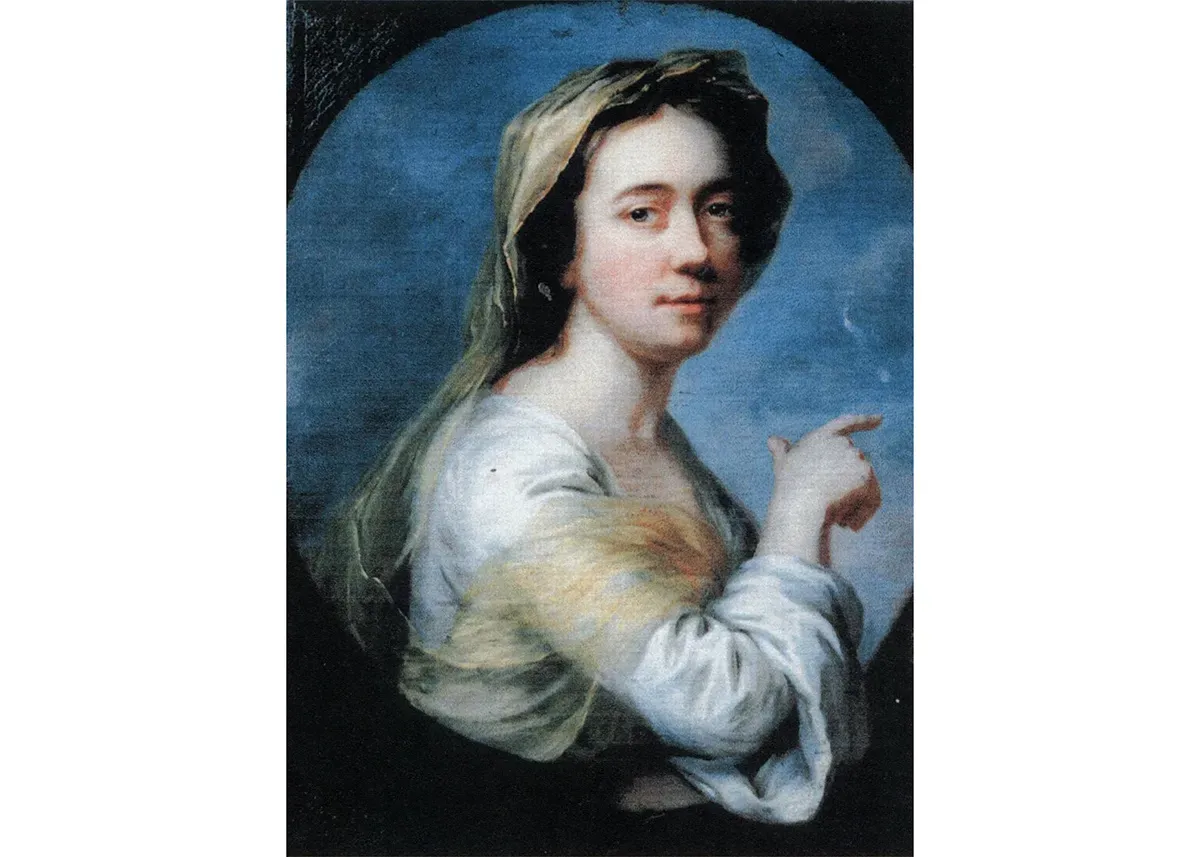
Experts on the program "Fake or Fortune" confirmed the gold-framed portrait. It shows a young Indian woman wearing pearl necklaces and an emerald pendant. Read's formal art training was rare for women of her time.
Philip Mould, an art dealer and co-host, called it a "wonderful result." He expects more works by this pioneering artist from India to surface.
We're a new kind of news feed.
Regular news is designed to drain you. We're a non-profit built to restore you. Every story we publish is scored for impact, progress, and hope.
Start Your News DetoxThe painting is the earliest known portrait of an Indian person by a female European artist. It is valued at about $130,000. Mary-Louise Wedderburn, a retired accountant, inherited the painting and suspected it might be by Read, a distant relative.
Wedderburn expressed how important the discovery was to her. She admired Read, calling her a "wonderful woman" and "super."
Katherine Read's Journey as an Artist
Read was born in Scotland in 1723, one of 13 children. As a woman, she was not allowed to study life drawing of nude subjects.
In 1745, she went to Paris to study crayon painting. Then, in 1751, she moved to Rome. There, she painted portraits of Italian aristocrats and British travelers. Read was confident in her abilities, once writing to her brother, "You’ll see I’ll top it with the best of them."
 Willielma Campbell (1741–1786, née Maxwell), Lady Glenorchy, painted in 1762 by Katherine Read Image: Dundee Art Galleries and Museums Collection (Dundee City Council)
In 1753, Read moved to London and opened a studio. She quickly became a popular portrait painter, especially with crayons, for over 20 years. The National Portrait Gallery in Washington, D.C., owns several prints of her works. Read created more than 300 portraits, mostly of women and children.
She spent her final years in India. The newly discovered portrait suggests she continued painting women there.
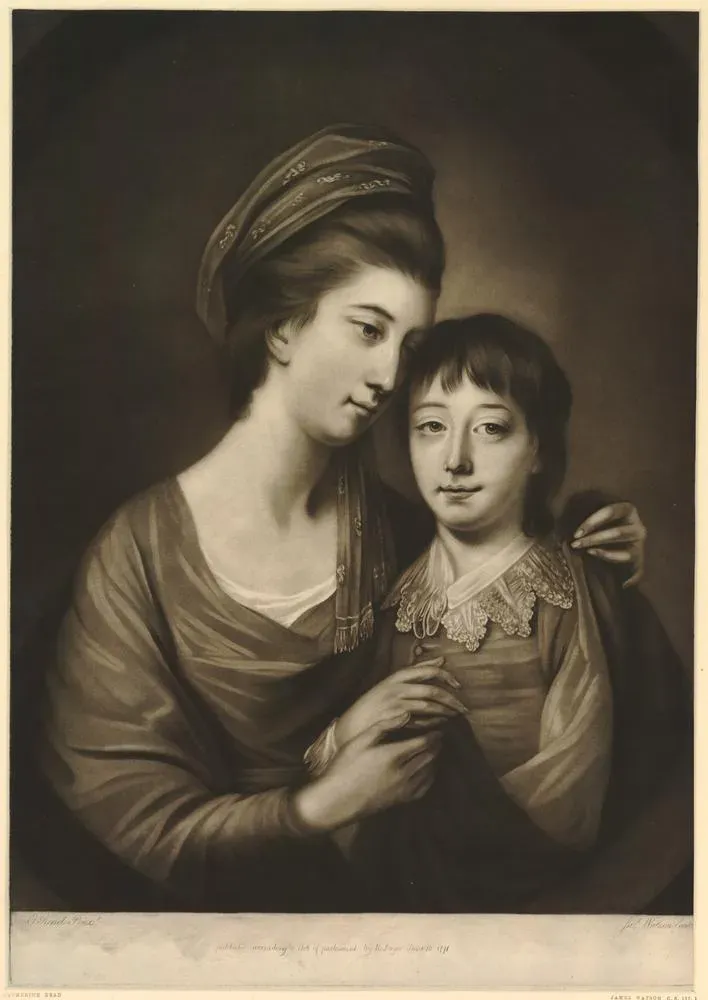
 A mezzotint, created in 1771, from Katherine Read’s portrait of Miss Sturt and Master Humphrey Sturt Image: The Trustees of the British Museum. Shared under a Creative Commons Attribution-NonCommercial-ShareAlike 4.0 International (CC BY-NC-SA 4.0) licence.
Authenticating the Portrait
Researchers used several methods to confirm the painting's authenticity. They compared its pigments, modeling, and brushstrokes to Read's known works, like a portrait of her niece, Helena Beatson. They also examined letters and wills that shed light on Read's life and work in India.
Experts concluded the painting was authentic. They believe the subject was likely from the local Mughal ruling class in present-day Chennai (then Madras). She was probably the wife of an Indian prince, though her name is unknown.
Art historian Charles Greig noted the portrait's significance. Most other portraits of Indian women from that era were companions or wives of Europeans. This painting, however, shows an Indian lady who was part of a royal court, making it "enormously important."
Katherine Read also received a commission to paint Charlotte, the British queen and wife of King George III.