Imagine inheriting a painting from a distant relative, thinking it's a nice family heirloom, and then finding out it's actually an "enormously important" piece of art history. That's precisely what happened to Mary-Louise Wedderburn, a retired accountant who, two decades ago, came into possession of a portrait that recently got a serious upgrade in value and significance.
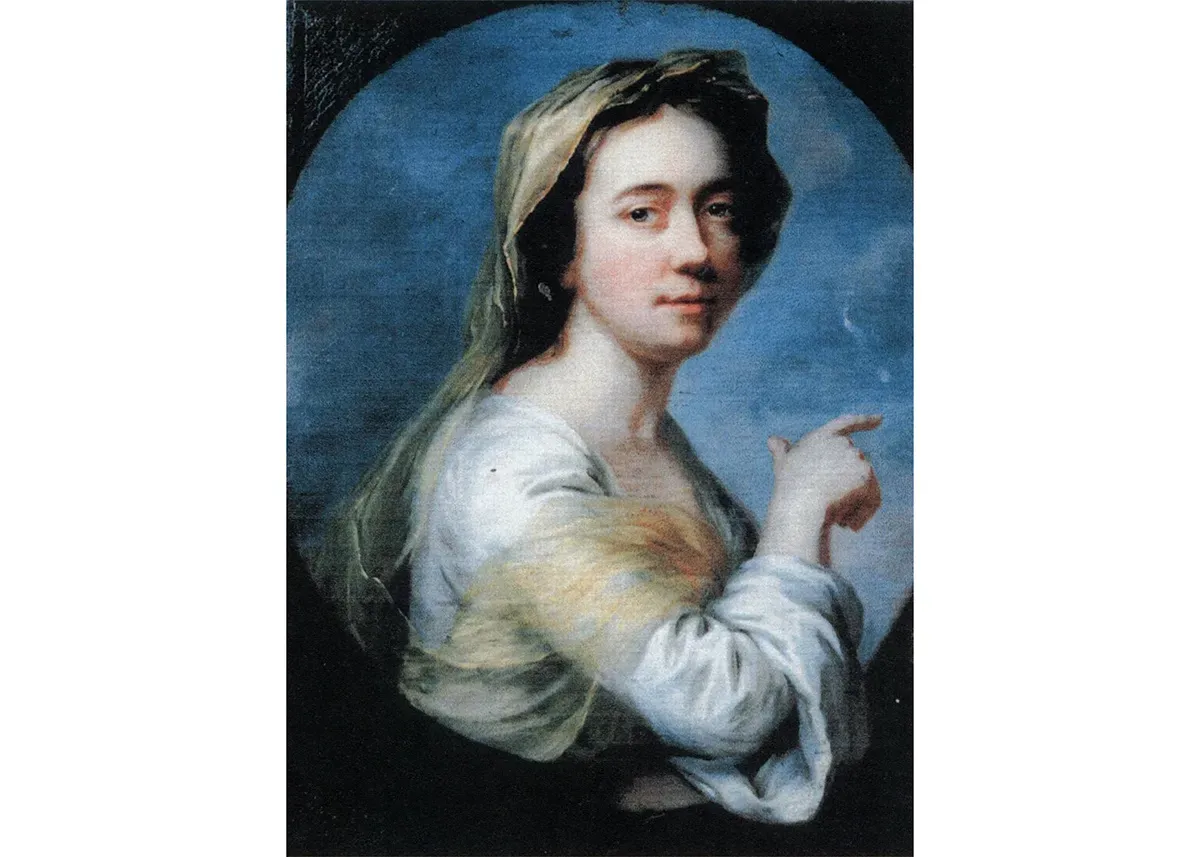
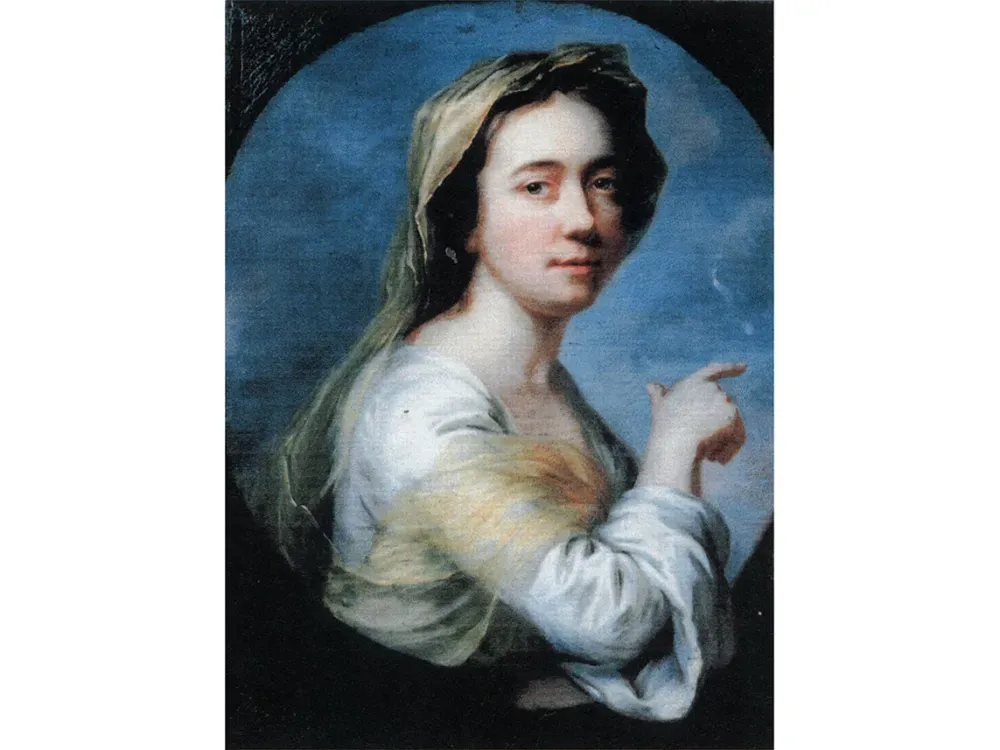
Enter the BBC One series Fake or Fortune?, the art world's equivalent of a high-stakes detective show. Wedderburn, with a hunch that the painting of a young Indian woman might be by her distant relative, 18th-century Scottish artist Katherine Read, brought it to the show's experts. Their verdict? A resounding yes. The artwork is now estimated to be worth around $130,000. Not a bad return on a family hand-me-down.
The Overlooked Master
Katherine Read, born in Dundee, Scotland, in 1723, was a force in her time. She specialized in oil and pastel portraits, often capturing the delicate features of women and children. In the mid-1770s, she packed her bags and traveled to India with her niece, a journey that sadly ended with her death on the return trip to England.
We're a new kind of news feed.
Regular news is designed to drain you. We're a non-profit built to restore you. Every story we publish is scored for impact, progress, and hope.
Start Your News DetoxHere’s where it gets interesting: Read commanded the same fee for a full-length portrait as the legendary Joshua Reynolds, a titan of British portraiture. Even Thomas Gainsborough, another name you probably recognize from art history books, charged less. Yet, while Reynolds and Gainsborough are household names, Read's brilliance has, for centuries, been largely relegated to the footnotes.
The Fake or Fortune? team, led by journalist Fiona Bruce and art historian Philip Mould, didn't just guess. They consulted experts from Dundee to Chennai, India. Charles Greig, a British academic specializing in Indian art, confirmed with "entire certainty" that the portrait was indeed by Read. The subject? Believed to be the wife of an Indian prince, or nawab. Because apparently, even the most significant art can hide in plain sight for centuries, waiting for a retired accountant and a TV show to uncover its true story.