Australia markets itself as a nation of wide-open spaces—and on the map, it looks that way. Most people cluster along the coast while the interior stretches empty and vast. But that image masks a harder truth: the biodiversity that makes Australia unique is concentrated in habitats that sit directly in the path of farming, urban sprawl, logging, and mining.
Over the last 20 to 30 years, this collision has been steady and relentless. Native vegetation gets cleared or degraded. Habitats shrink, fragment, and lose resilience. Wildlife populations thin. The mechanism is simple; the consequences are not.
Australia's own environmental reporting lists habitat loss alongside invasive species and climate change as a major threat to biodiversity. Since European settlement, the country has already shed a significant share of its native vegetation. That trend continues in today's landscapes. The 2021 State of the Environment report documents how agriculture, cities, and infrastructure have replaced native vegetation across large areas, with some vegetation groups losing substantial portions of their original extent.
We're a new kind of news feed.
Regular news is designed to drain you. We're a non-profit built to restore you. Every story we publish is scored for impact, progress, and hope.
Start Your News DetoxThe Cost to Wildlife
The southern brown bandicoot—endangered, specialized, dependent on dense low-growing vegetation for shelter and nesting—has watched its heathland and shrubland habitats disappear. Its numbers have fallen accordingly. The koala, iconic and increasingly desperate, has lost eucalyptus forest to agriculture and development; eastern Australian populations are now officially endangered.

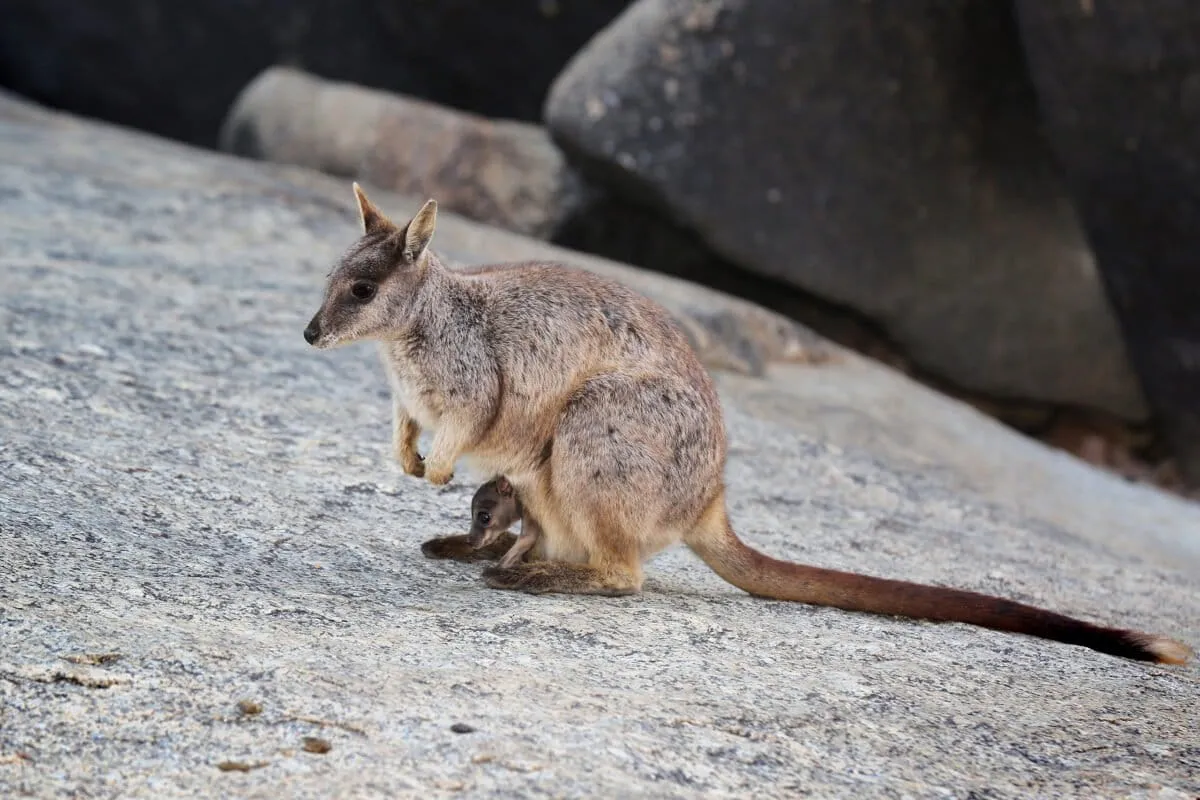
The pattern repeats across the continent. Numbats, Tasmanian devils, countless species adapted to specific habitats—all struggle when those habitats vanish or fracture. Animals that cannot reshape themselves for human-modified landscapes face a narrowing future.
The response, experts argue, requires multiple approaches working in concert. Strengthening land-use planning and environmental regulations can slow the clearing of native vegetation. Habitat restoration and connectivity projects help species move between isolated patches rather than face dead ends. Expanding the national reserve system protects more of what remains intact. Supporting sustainable land management on both private and public land shifts the economics of land use itself.
None of this is quick or simple. It requires sustained commitment, investment, and a willingness to redesign how Australia uses its land. But the alternative—allowing the squeeze to continue unchecked—means watching more of the country's irreplaceable wildlife slip away. That's a choice Australia is still in a position to refuse.