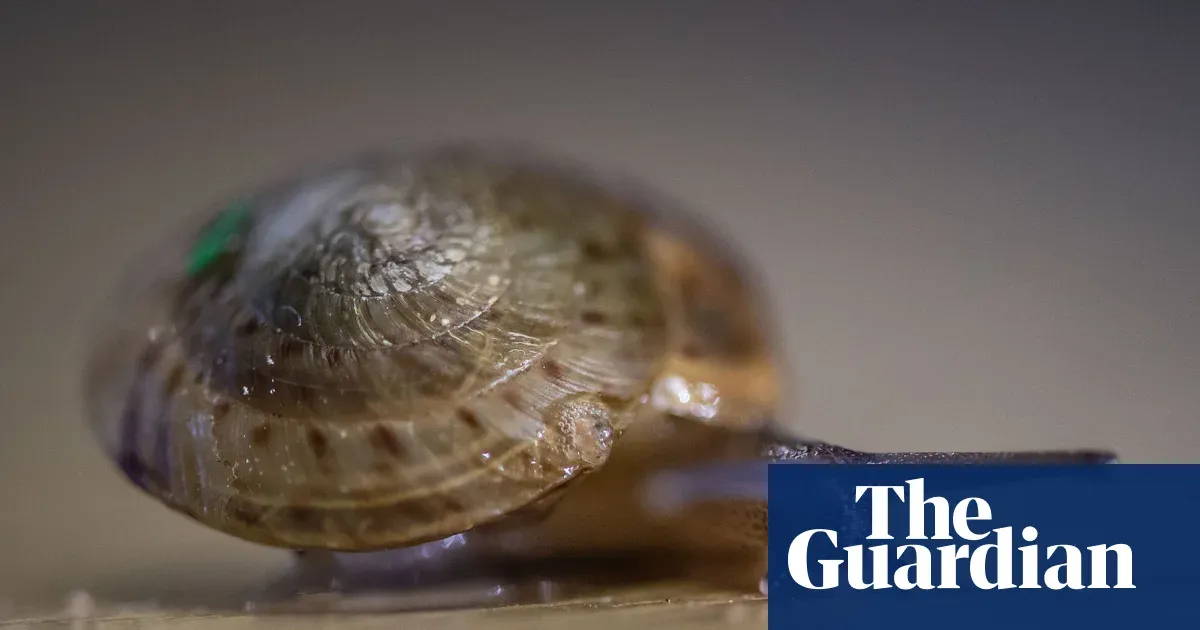
A snail smaller than a pea, once believed lost forever, is now thriving across Bermuda again. The greater Bermuda snail was found only in fossils until 2014, when scientists discovered a handful of survivors in a damp alleyway in Hamilton. A decade later, more than 100,000 of these molluscs have been bred and released back into the wild.
The species had nearly vanished due to climate change, habitat loss, and the arrival of predatory "wolf snails" and carnivorous flatworms that hunted the native snails. By the time researchers found that small remnant population, the greater Bermuda snail was on the edge of complete extinction.
What saved it was an unlikely partnership: Chester Zoo in the UK, Bermuda's government, and conservation scientists working together across a decade. At the zoo, keepers developed specialized breeding pods to create ideal conditions for the snails to multiply. The breakthrough came from adapting existing snail husbandry techniques—nothing revolutionary, just careful attention to what these creatures needed to thrive.
We're a new kind of news feed.
Regular news is designed to drain you. We're a non-profit built to restore you. Every story we publish is scored for impact, progress, and hope.
Start Your News Detox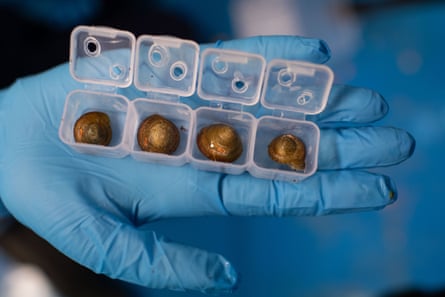
Since 2019, successive generations of captive-bred snails have been returned to Bermuda and placed in protected wooded habitats. Biosecurity measures—fencing, careful monitoring, removal of invasive predators—shield them from the threats that nearly wiped them out. The snails have now established themselves across six separate areas on the islands, a sign that the population is genuinely recovering, not just surviving in a zoo.
"It's every conservationist's dream to help save a whole species," said Tamás Papp, the invertebrates assistant team manager at Chester Zoo. "This scientific confirmation that we've saved them is testament to the role zoos can play in preventing extinction."
These snails matter more than their size suggests. They're part of the ecosystem's nutrient cycle—they eat decaying vegetation and become food for larger animals. Restore the snails, and you begin restoring the web of life around them. That's why the species' recovery was marked on IUCN's "Reverse the Red Day," a global recognition of efforts to repair biodiversity loss.
Dr. Mark Outerbridge, an ecologist for Bermuda's government, reflected on the scale of what's been achieved: "It is remarkable to think we only began with less than 200 snails and have now released over 100,000."
The team at Chester Zoo is already turning its attention to a second endangered Bermuda snail species, the lesser Bermuda land snail. If they can replicate this success, it won't be the last species brought back from the brink.