
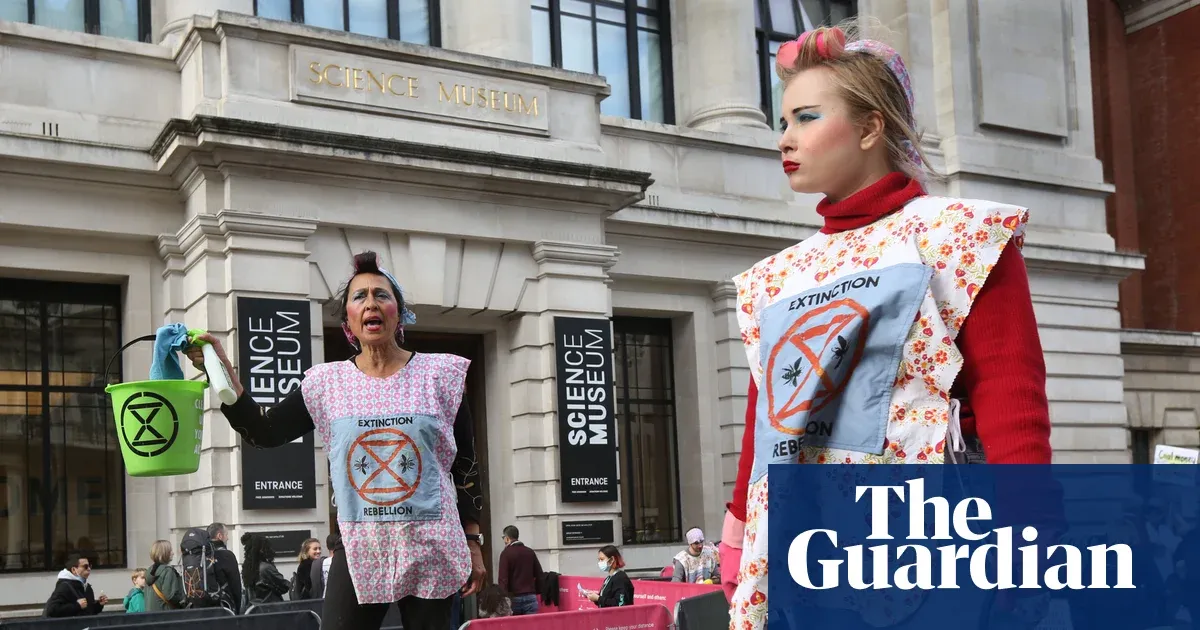
Freedom of information requests have exposed how BP's sponsorship of the Science Museum's teacher training program came with significant influence over its design. The company funded the initial research that created the Science Museum Group academy—a program that has now trained over 5,000 teachers across more than 500 courses—and the original contract gave BP veto power over major decisions.
The research project, called Enterprising Science, was structured so that "major decisions would not be validly passed unless the representative of BP votes in its favour," according to documents obtained by campaign groups. This level of control has prompted questions about whose interests shape how STEM is taught in UK classrooms.
The tension at the heart of the partnership
The Science Museum maintains it retained editorial control of all educational content and that BP had no involvement in the research or output. "The sponsorship we receive from a wide range of funders, including BP, is vital to our mission," a spokesperson said. BP's statement was similarly brief: the project "continues to inspire educators delivering engaging STEM experiences."
We're a new kind of news feed.
Regular news is designed to drain you. We're a non-profit built to restore you. Every story we publish is scored for impact, progress, and hope.
Start Your News DetoxBut campaigners argue the distinction between funding influence and editorial control misses the point. Culture Unstained, which obtained the documents, frames it starkly: "We wouldn't allow tobacco companies to be involved in crafting approaches to education, so why should BP—a company shunning the scientific consensus on climate change by ramping up drilling for oil and gas—be able to buy such an influential role?"
The concern isn't just about sponsorship. It's about whose worldview gets embedded in how teachers are trained. The National Education Union's green representative, Helen Tucker, put it this way: "As educators, it is our responsibility to resist the greenwashing of those destroying our children's futures." Teachers are asking whether they should participate in a program "whose curriculum was developed with oversight from the very people causing climate change."
More than 400 teachers and scientists pledged to boycott the Science Museum in 2022. The pressure has come not just from climate groups but from schools and teachers' unions—people actually working in classrooms.
What happens next
The Science Museum faces a genuine institutional question: how do you fund ambitious teacher training without compromising the independence of what gets taught. The answer probably isn't simple, but it starts with transparency about who influences what, and whether that influence serves students or corporate interests. The documents obtained here suggest the museum may need to rethink how it structures these partnerships.