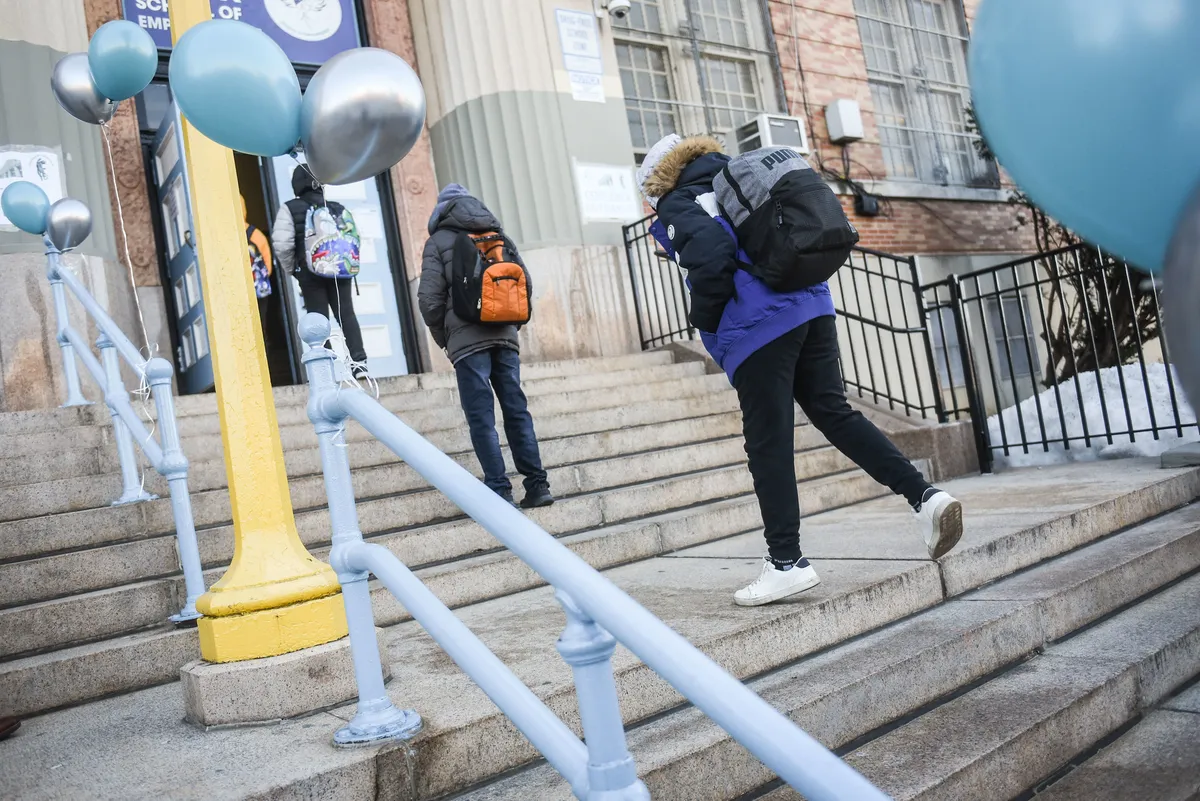
Alhassan Susso received $25,000 this year for teaching excellence in New York City. He gave it all to a nonprofit he started in his home country of Gambia.
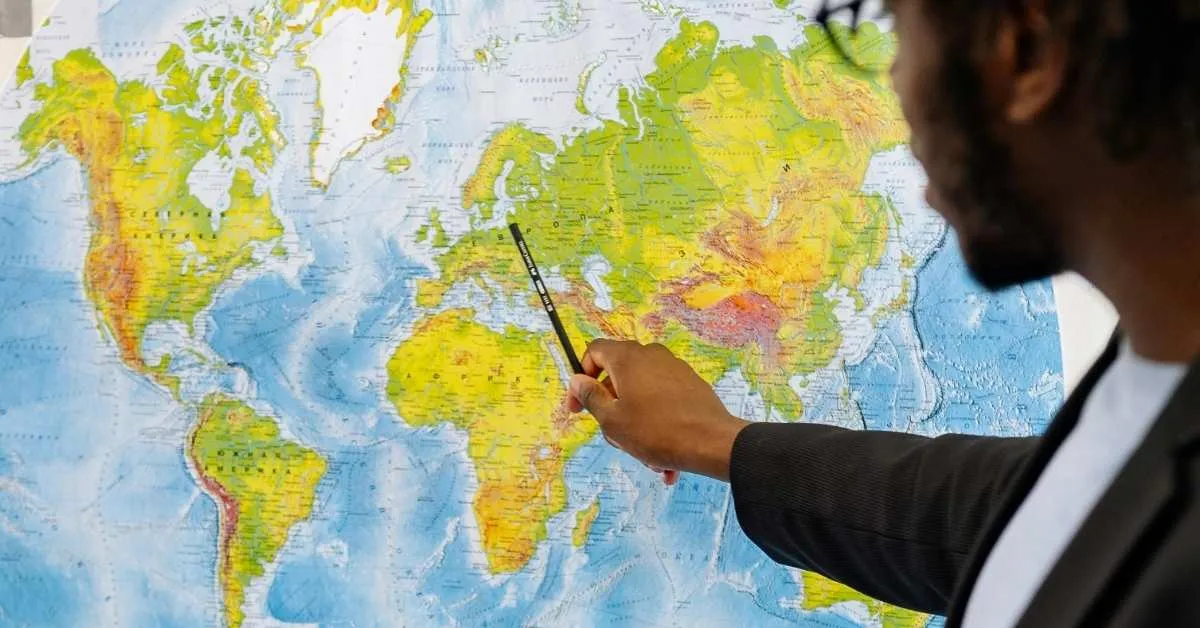
It wasn't a difficult decision. For years, Susso has been quietly building the Namie Foundation—named after his grandmother—to create a teacher-of-the-year prize in Gambian schools. The work has cost him personally: he withdrew $45,000 from his retirement to launch the organization, then spent months fundraising from friends and family to reach the initial $75,000 budget.
When the FLAG Award for Teaching Excellence landed in his hands in June, recognizing New York City teachers who inspire "learning through creativity, passion, and commitment," Susso saw an obvious next step. He'd been preparing an application for a public diplomacy grant through the U.S. Embassy in Banjul, Gambia—a grant that suddenly vanished in May when the State Department pulled the program for review. The timing of his own award felt like a redirect.
We're a new kind of news feed.
Regular news is designed to drain you. We're a non-profit built to restore you. Every story we publish is scored for impact, progress, and hope.
Start Your News Detox"It was a no-brainer," Susso told the New York Times.
What makes Susso's commitment deeper than simple generosity is personal. He's legally blind in one eye and losing sight in the other. He's built his career in education partly around a conviction that disabled students can succeed with proper support—something he knows firsthand. In Gambia, where disability carries heavy stigma, that conviction matters.
"People who are disabled can be successful if they are given the proper support," Susso said. The teacher-of-the-year prize he's funding isn't just about recognizing hardworking educators in critically underfunded school systems. It's about creating pathways for students who face compounding barriers—poverty, limited resources, and social exclusion.
Susso's choice reflects a quiet pattern: people who've navigated systemic obstacles often become the ones most determined to dismantle them for others. His $25,000 gift doesn't solve the broader funding crisis in Gambian education. But it establishes a precedent, a prize that says these teachers matter, that their work is seen. In a country where resources are stretched thin, that recognition can reshape how educators see themselves and how communities value the work of teaching.