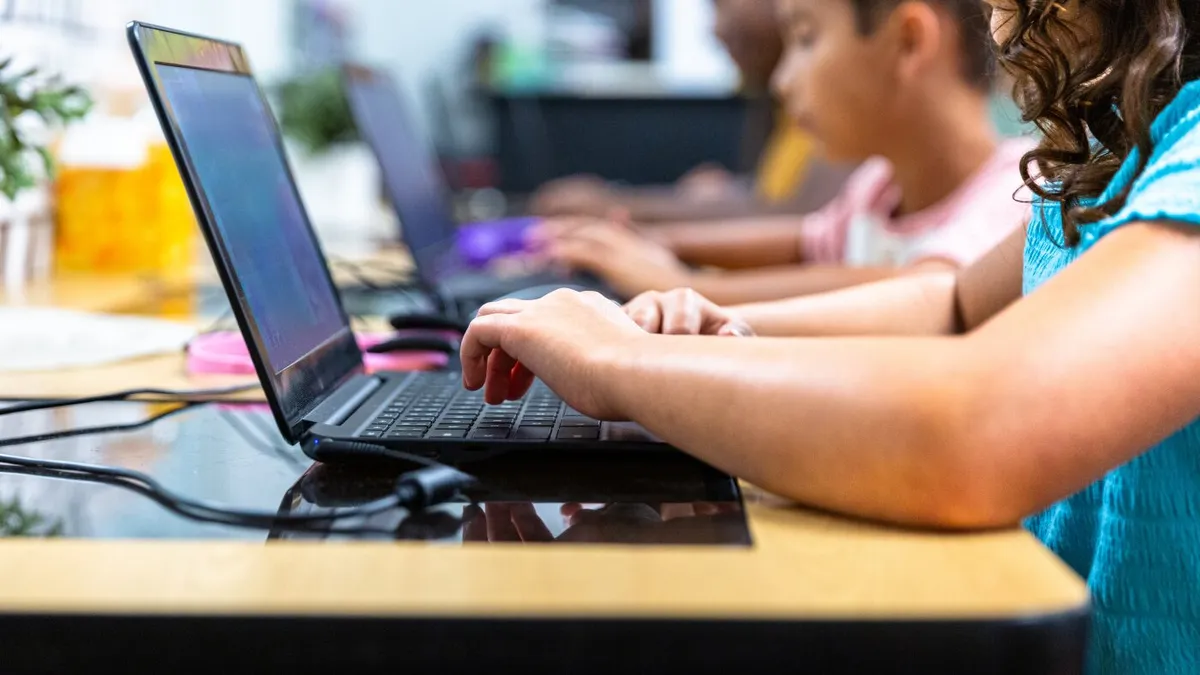
A sweeping new study from the Brookings Institution has found something most parents probably suspect: handing students generative AI without guardrails is already hurting how they think, learn, and connect with each other.
The research, which included focus groups and interviews across 50 countries with students, parents, teachers, and tech experts, paints a picture of real trade-offs. AI can help a struggling reader adjust text difficulty or let a language learner practice privately. But the same tools are also linked to declining critical thinking, weaker memory, and less creativity among students who lean on them too heavily. One student summed it up plainly: "It's easy. You don't need to use your brain."
The damages are already visible—but the report emphasizes they're fixable.
Where AI actually helps (and where it doesn't)
Teachers report real wins in specific places. AI can personalize language learning, adjust reading passages on the fly, and help students improve their writing when it supports rather than replaces their effort. For students locked out of traditional classrooms—like Afghan girls denied education—AI tools can be a lifeline to learning that wouldn't otherwise exist.
We're a new kind of news feed.
Regular news is designed to drain you. We're a non-profit built to restore you. Every story we publish is scored for impact, progress, and hope.
Start Your News DetoxOn the teacher side, the numbers are compelling. One U.S. study found educators using AI save nearly six hours per week on routine tasks like generating emails, translating materials, and building lesson plans. That's time they could spend actually teaching.
But here's the catch: the most accessible AI tools are often the least reliable. Free chatbots designed to agree with users rather than challenge them can widen the gap between well-funded schools and under-resourced ones. And overusing AI for emotional support—venting to a chatbot instead of talking to a friend or counselor—appears to undermine the exact skills kids need to handle real relationships and setbacks.
What actually needs to happen
The Brookings team isn't calling for a ban. Instead, they're pushing for something more specific: schools need to redesign how they use AI, and tech companies need to build differently.
That means refocusing education on curiosity and genuine learning rather than task completion. It means designing AI tools that challenge students' assumptions instead of just reinforcing them. It means teachers and tech companies actually working together in what the report calls "co-design hubs"—not tech companies building for schools without asking what teachers need.
It also means training. Real, comprehensive AI literacy for both teachers and students. And regulation that protects children's cognitive development, emotional health, and privacy as these tools become more embedded in daily learning.
The window to shape this is narrow. AI is already in classrooms, already changing how students think. But the research suggests the remedies exist too—if schools and policymakers move now.