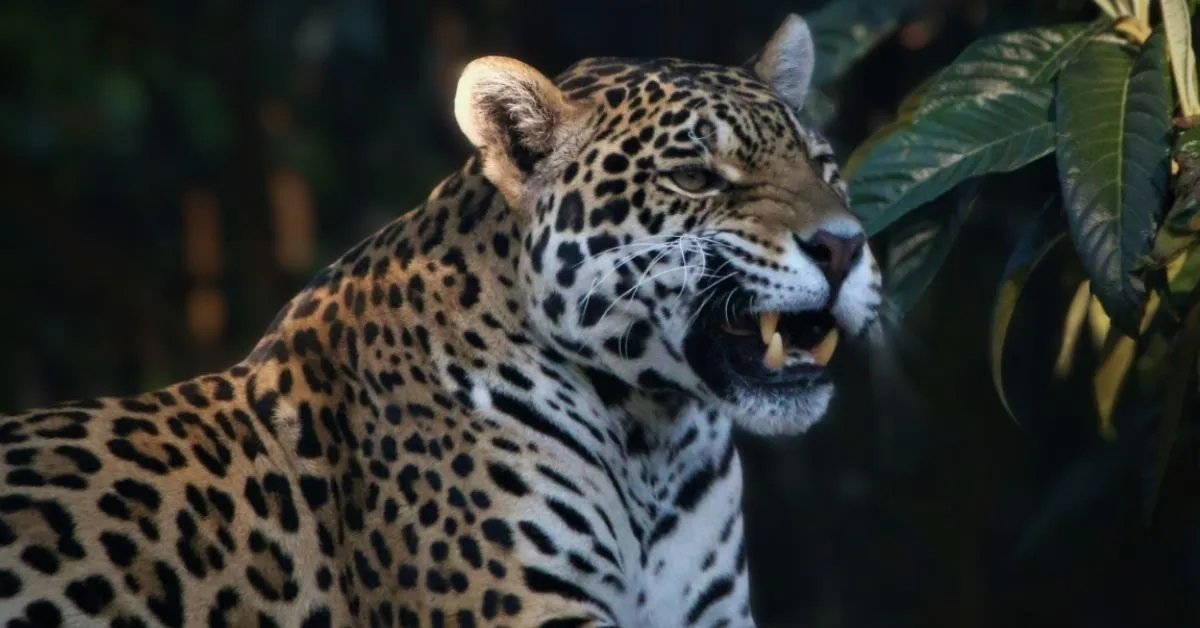
In late November, trail cameras in southeastern Arizona captured something researchers had been waiting for: a male jaguar, distinct enough to earn a nickname. Cinco — identified by the unique black rosette patterns on his coat, as individual as a fingerprint — became the fifth jaguar documented in Arizona since 2011.
Susan Malusa, director of the University of Arizona's jaguar and ocelot project, was direct about what this means: "It signifies this edge population of jaguars continues to come here because they're finding what they need." After nearly 15 years of monitoring, the center has logged 230 jaguar detections across the state. Each sighting is a small piece of a larger puzzle researchers are still working to understand.
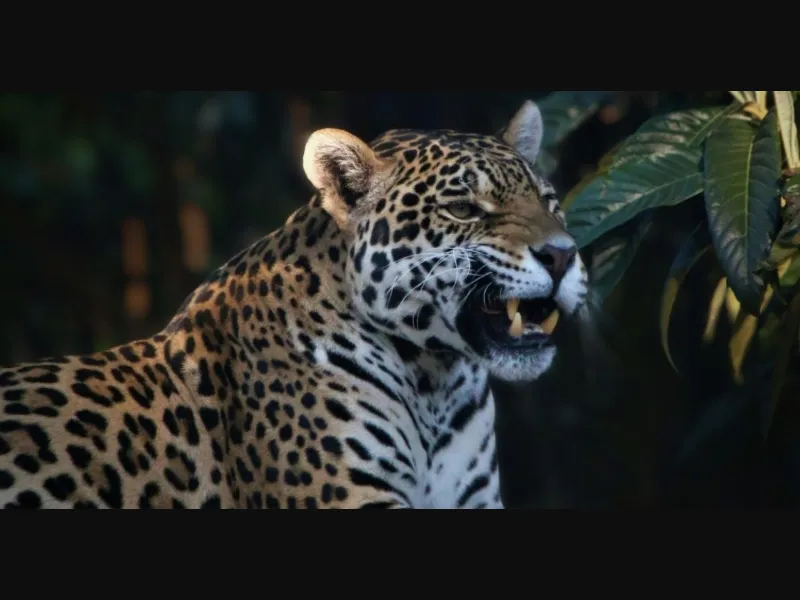 Images via The University of Arizona Wild Cat Research and Conservation Center.
Why jaguars matter here
For most of the 20th century, jaguars had virtually disappeared from the American Southwest. Poachers, government predator programs, and habitat destruction — deforestation, drained wetlands, border wall construction — pushed them toward extinction in the region. When jaguars were listed as endangered in 1997, recovery seemed distant at best.
We're a new kind of news feed.
Regular news is designed to drain you. We're a non-profit built to restore you. Every story we publish is scored for impact, progress, and hope.
Start Your News DetoxThe jaguars showing up in Arizona now aren't strays. They're the northern edge of a population centered in Mexico, and their presence suggests something is working. Scientists believe drought and declining prey in Mexico may be pushing them northward to find resources. But more importantly, the fact that they're arriving at all means the corridors are still open, the landscape still connects, and the species hasn't given up.
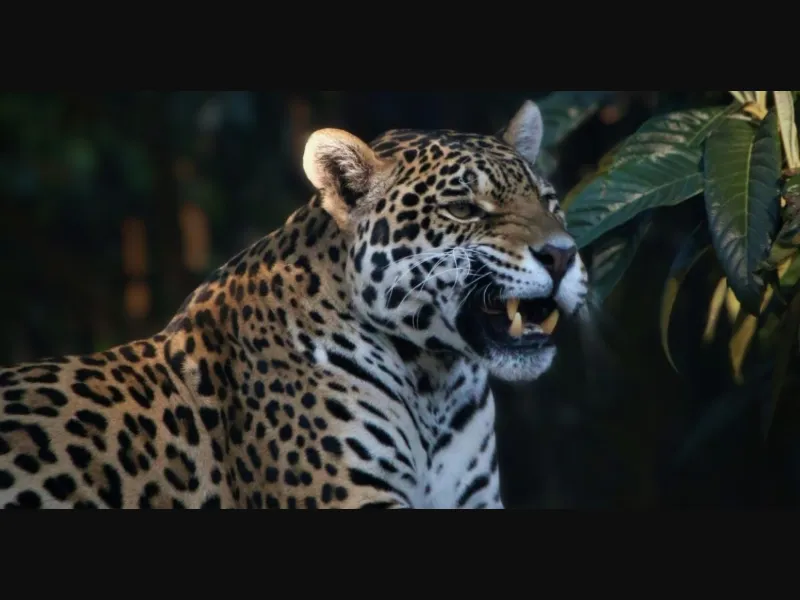
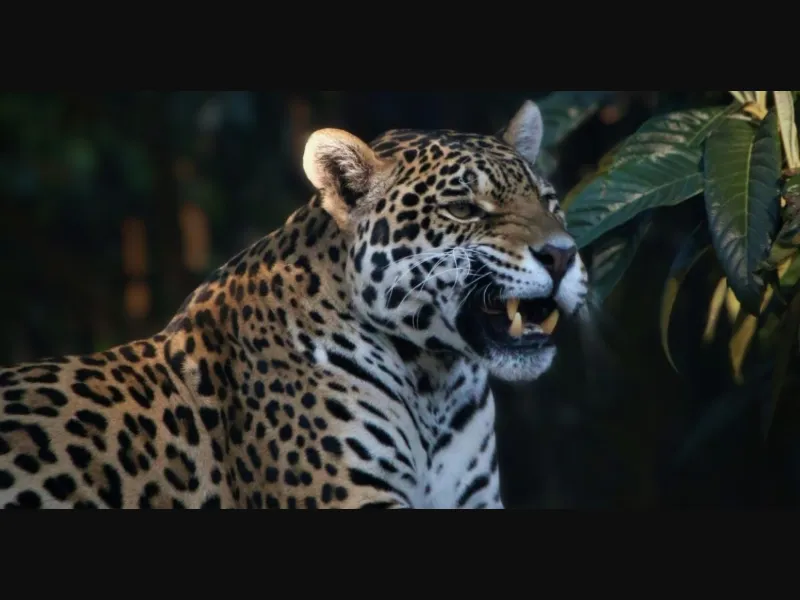 Images via The University of Arizona Wild Cat Research and Conservation Center.
Malusa framed the real question beneath all this: "Are populations increasing, are they stable, declining? What does long-term recovery look like?" One sighting doesn't answer that. But five jaguars in a dozen years, moving through a landscape where they once vanished entirely, suggests the answer is still being written. Conservationists warn that further border wall construction could cut off the corridors these animals depend on. Keeping them open — that's the work ahead.