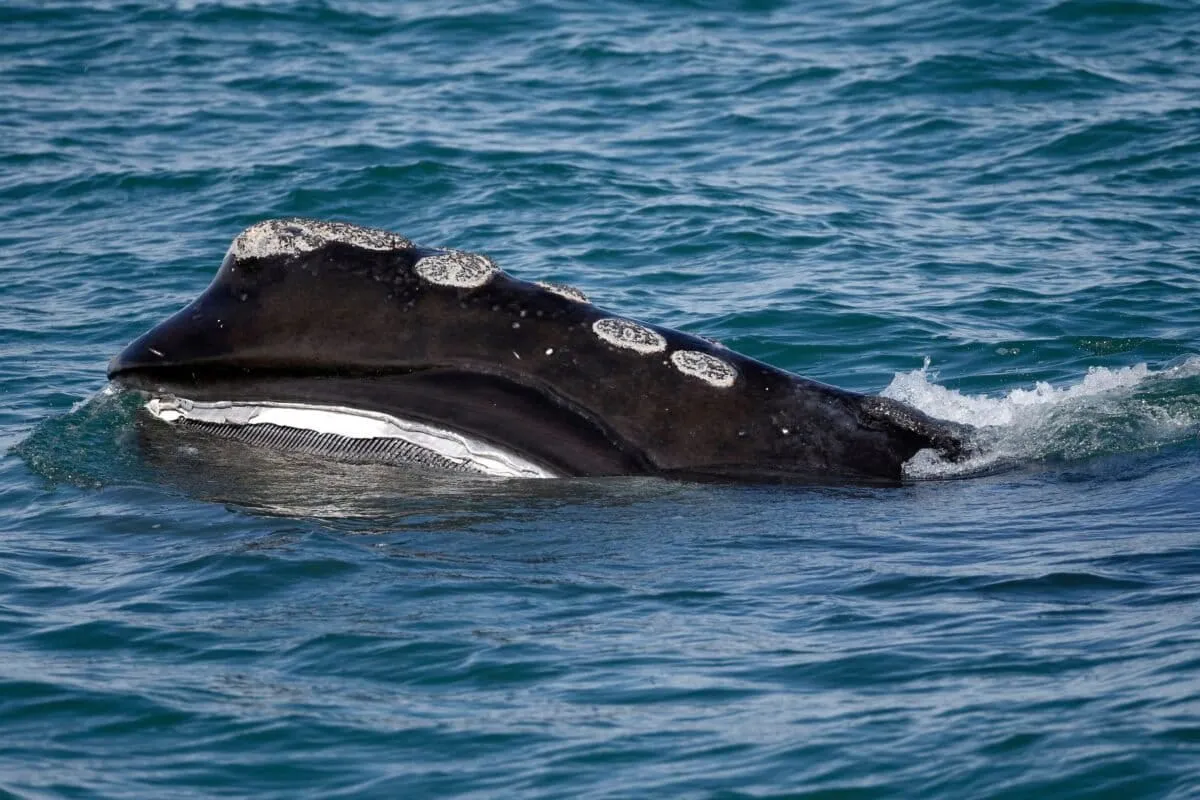
Fifteen new calves were born to North Atlantic right whales this winter—a genuine uptick that matters more than the number might suggest. After years of decline, this jump in births is the kind of signal researchers have been waiting for. But it also exposes the scale of the crisis: these whales need roughly 50 calves born every year, year after year, to stop shrinking and eventually recover.
There are only about 384 North Atlantic right whales left. That's not a typo. One of the world's largest marine mammals has been hunted and harmed down to a population smaller than many high schools. The 15 calves born this winter represent hope—a sign that breeding females are still reproducing—but also heartbreak, because it's roughly one-third of what's needed.
Why births matter, and why they're so hard
Right whales face two relentless threats: massive cargo ships that cross their migration routes, and commercial fishing gear that entangles them. Both happen regularly. Both are often fatal. A breeding female that survives to reproductive age is precious—she might only give birth every three to four years, and she's vulnerable to the same dangers as the rest of the population.
We're a new kind of news feed.
Regular news is designed to drain you. We're a non-profit built to restore you. Every story we publish is scored for impact, progress, and hope.
Start Your News DetoxThat's why 50 calves per year sounds reasonable on paper but isn't realistic given how few breeding females remain. The population has to shrink further before it can grow, a grim math that conservation biologists know well.
Gib Brogan, senior campaign director at Oceana, points out that stronger protections exist—rules designed to reduce ship strikes and fishing entanglement—but they're currently blocked. The federal government has a moratorium on implementing these protections until 2028, and commercial fishing groups are pushing to extend that pause even longer. It's a policy choice, not a biological inevitability.
What happens next
This winter isn't finished yet. More calves could still be born. And researchers will be watching closely to see if the trend continues next year. The species won't recover through births alone—it needs the legal and regulatory space to survive. Fifteen calves is progress. But progress without protection is just a slower goodbye.