A grey morning on an urban housing estate, and a teenager notices something shift in the air. "The birds just sound louder, more enthusiastic," he says, tilting his head toward the rooftops.
It's the kind of observation that stops you. Most of us walk past soundscapes like this every day without really hearing them — the accumulated noise of a waking world that we've learned to tune out. But when someone points it out, suddenly you're listening too.
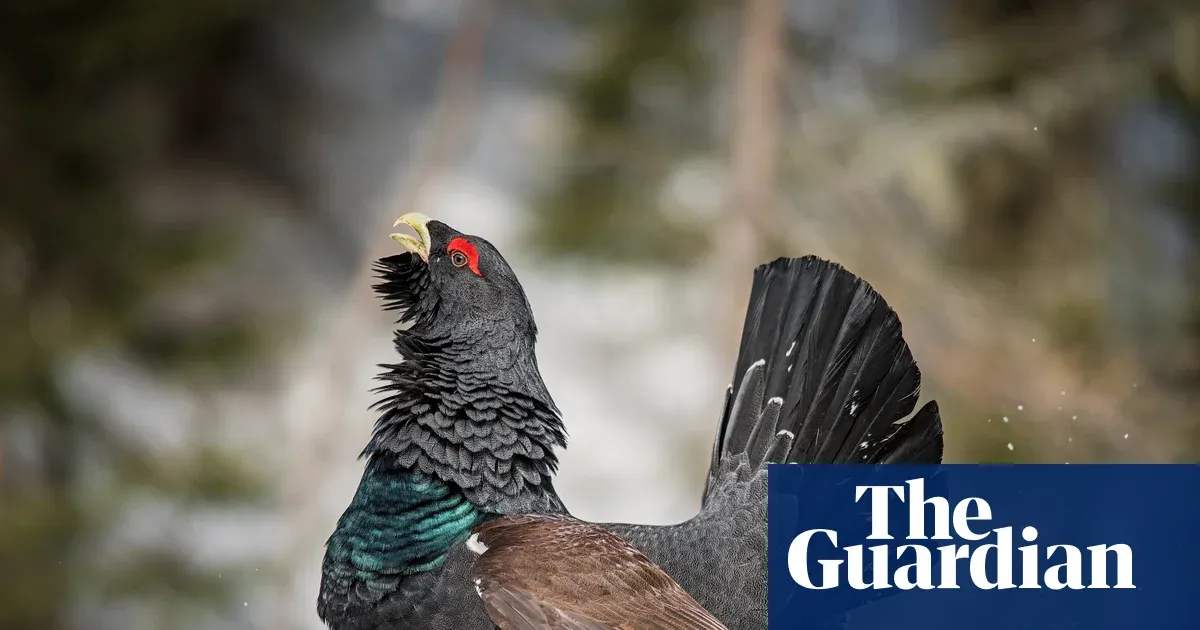
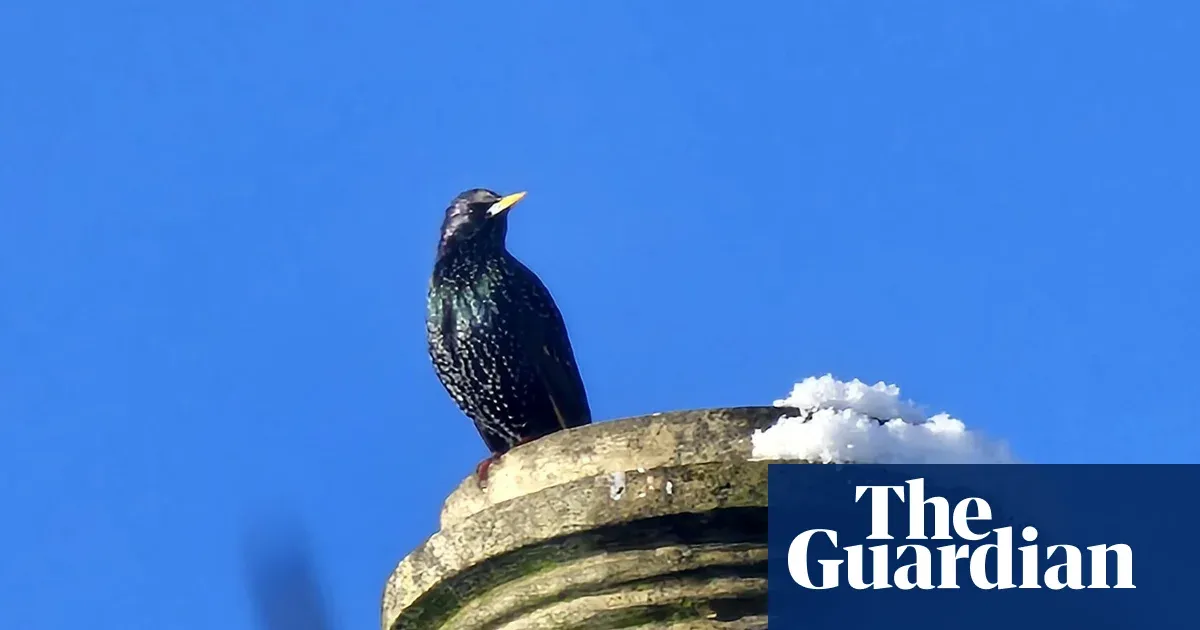
This is how spring arrives in Britain, not with a bang but with returning voices. Right now, the familiar calls are already layering in: wood pigeons with their soft, repetitive coo; blue tits with their sharp, metallic song; the delicate chatter of long-tailed tits; starlings with their surprisingly varied repertoire. If you've learned to recognize these calls — and there are guides now that make this easier than it once was — you start noticing the architecture of the season itself.
We're a new kind of news feed.
Regular news is designed to drain you. We're a non-profit built to restore you. Every story we publish is scored for impact, progress, and hope.
Start Your News DetoxBut you also notice the gaps. Thrushes typically sing in a particular sequence: mistle thrush first, then song thrush, then blackbird. So far, only the mistle thrush has shown up. The goldfinches that usually overwinter here in noisy flocks have mostly headed to France and Spain for now. The chaffinches haven't returned. The swifts — those needle-voiced acrobats — are still weeks away.
What's happening is a slow, layered awakening. Wildlife doesn't surge back all at once. It trickles in, species by species, call by call, in a rhythm that's been playing out for millennia. Some birds never left. Others are trickling back from warmer places, responding to lengthening days and rising temperatures. Each arrival is a small confirmation that the year is turning, that the cycle continues.
The real gift in paying attention to this isn't just about identifying birds. It's about tuning into something larger — the fact that despite everything, the natural world still follows its ancient patterns. Spring still comes. Migrants still return. The soundscape still fills.
For anyone who wants to join in, learning to listen with your eyes closed actually works. It trains your ear differently than trying to spot birds visually. And there's something quietly powerful about standing in your garden or on your street, closing your eyes, and realizing how much life is already announcing itself around you.