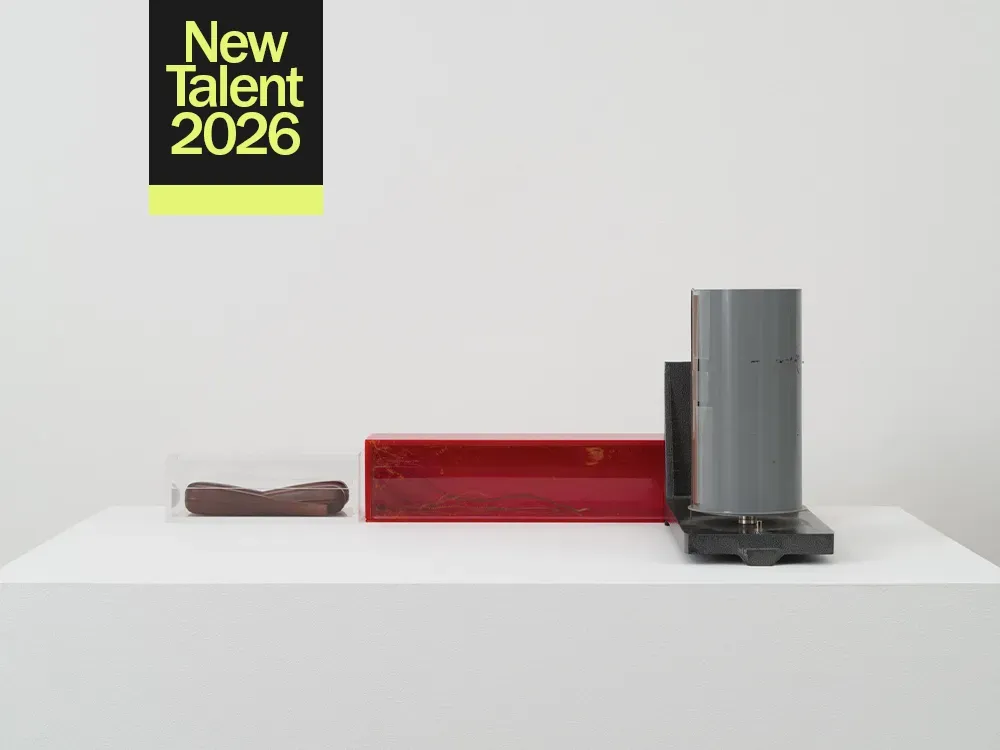
Craig Jun Li describes his art as "show-and-tell," which, if you think about it, is a charmingly understated way to talk about something that will make you feel things. His recent solo show at Chapter NY, "I Want to Love with No Fear," was a masterclass in making old things speak volumes. Think faded photos, forgotten letters, and buttons that once clung to someone's favorite shirt.
But here's the kicker: Li intentionally dropped the gallery's temperature. Not for dramatic effect, but to mimic a rare books room or, perhaps more accurately, a museum's chilly storage unit. It's a subtle, physical cue that you're not just looking at art; you're stepping into an archive, a place where history breathes cold, dry air.
The Cold Shoulder, Emotionally Speaking
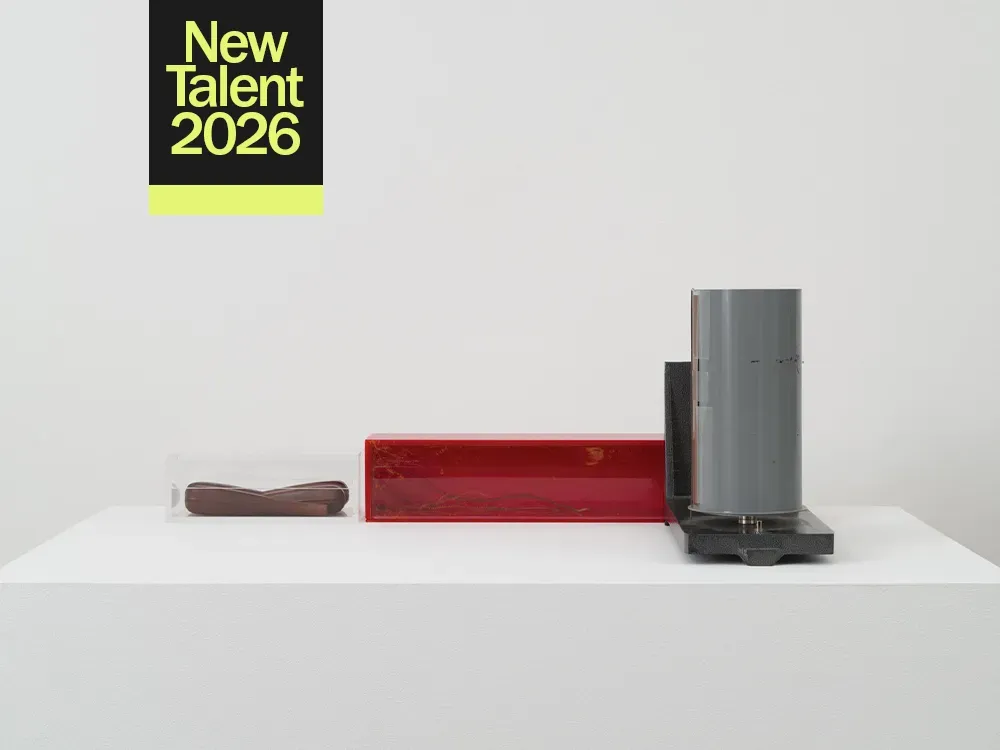
Li admits the "cold" started as a bit of a joke. He was, understandably, a little over the academic discussions around "Archive Fever" — that insatiable urge to preserve everything. So, he just went for it. Buttons from his own favorite shirts found their place on metallic cooling units, looking less like art and more like specimens prepped for cryogenic preservation. Because apparently, that's where we are now.
We're a new kind of news feed.
Regular news is designed to drain you. We're a non-profit built to restore you. Every story we publish is scored for impact, progress, and hope.
Start Your News DetoxHis artistic lineage traces back to scholars like Achille Mbembe and Miwon Kwon, who dissected how archives are built and, crucially, what gets left out. This idea of omission is central to Li's work. He's drawn to the ghost stories embedded in thrift store photos and the one-sided conversations in old letters. He frames these fragments with grayscale papers, layering images both behind and in front of the glass, creating a visual whisper.
Li, who also runs the artist space Benny's Video, connects his practice to the conceptual artists of the 80s and 90s. That generation, deeply affected by the AIDS crisis, often focused on intensely personal narratives. Li, born in China in 1998, grew up in a town where medical errors led to many children contracting HIV. This personal history drew him to how queer artists expressed grief, a process inherently about what's missing. He realized that "archival materials are structured around absence, while reminding us of their presence." His wall art is a testament to this, featuring images, yes, but also vast, deliberate expanses of blank space. It’s a powerful reminder that sometimes, what you don't see is the loudest part of the story.