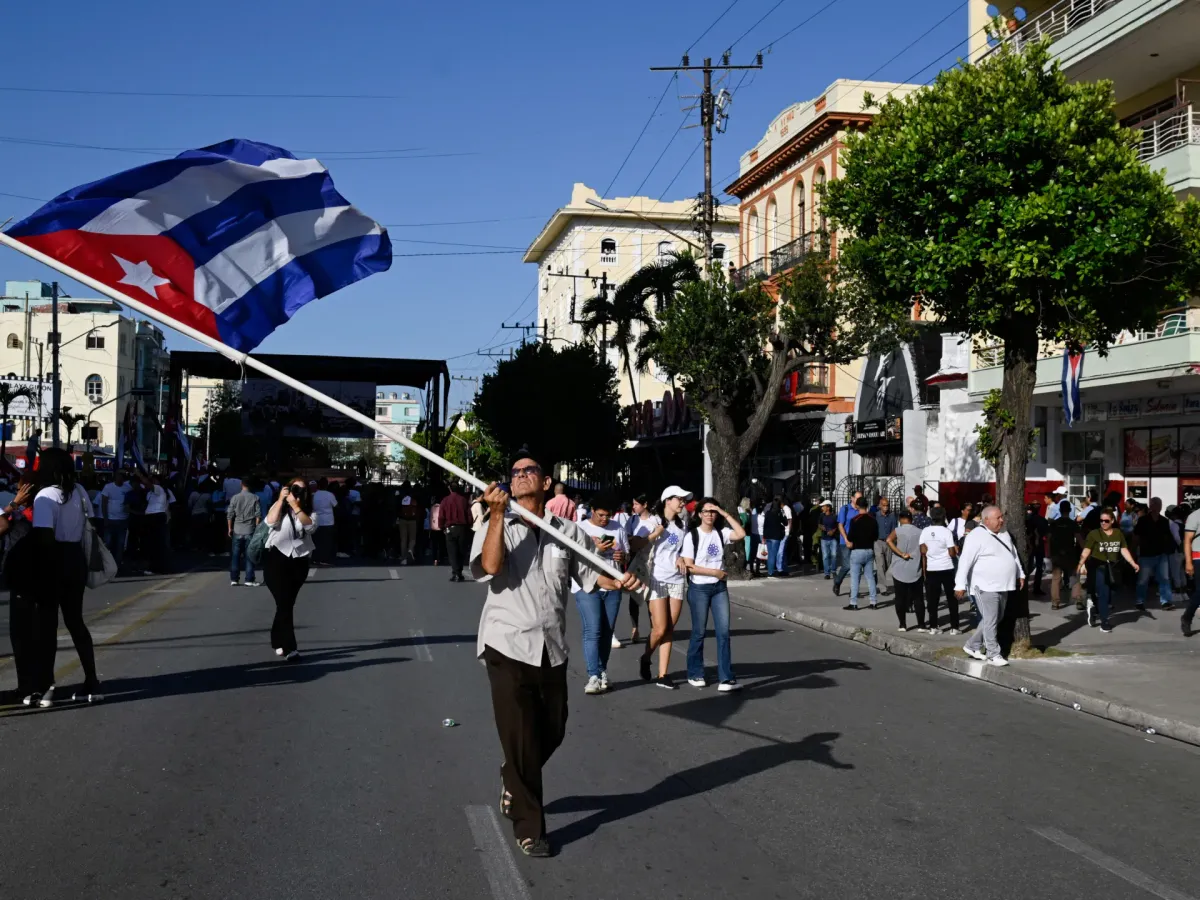
Well, this is certainly a development. Cuba's government recently confirmed that U.S. officials made a rather discreet visit to the island in early April. It was the first such meeting since 2016, which, if you're keeping score, is a decent chunk of time for two historically frosty neighbors to avoid direct, in-person chats.
Details are, predictably, sparse. The U.S. State Department officials who confirmed the visit did so anonymously. Neither side is spilling the beans on the exact date or the names of the American diplomats involved. Because apparently, that's where we are now: high-stakes international diplomacy operating with the transparency of a secret menu item.
The Talk of the Town (and the Island)
Cuba’s Ministry of Foreign Affairs official, Alejandro García del Toro, was a bit more forthcoming, stating that assistant secretaries of state were part of the U.S. delegation, while Cuba brought its deputy foreign ministers to the table. He characterized the discussions as “respectful and professional,” and — perhaps more importantly — noted the U.S. delegation didn’t come with threats or deadlines, contrary to some initial media whispers. Because nothing says 'constructive dialogue' like not immediately issuing ultimatums.
We're a new kind of news feed.
Regular news is designed to drain you. We're a non-profit built to restore you. Every story we publish is scored for impact, progress, and hope.
Start Your News DetoxCuba’s main demand? To finally end the U.S. energy embargo. García del Toro didn't mince words, calling it “economic coercion” that punishes everyday Cubans and acts as “global blackmail” against any other country brave enough to try and export fuel to the island. It’s a pretty direct accusation, suggesting the U.S. isn't just withholding, but actively leaning on others.
Of course, the U.S. has its own rather significant list of conditions before any sanctions are lifted. Washington wants Cuba to ease up on political repression, release political prisoners, and generally improve its rather struggling economy. It seems both sides have a few items on their international wish lists.
This all comes after a rather tense period, with former President Donald Trump in late January threatening tariffs on any nation selling oil to Cuba and even hinting at intervention. Cuban President Miguel Díaz-Canel, for his part, made it clear last week his country is ready to fight if it comes to that. So, while a meeting is progress, perhaps don't break out the celebratory rum just yet.