Imagine being a world-renowned artist, showing at the Musée Picasso, then turning to your gallery and saying, "My dream project? An exhibition for my old community college art teacher." That's exactly what Henry Taylor did for James Jarvaise, the California modernist who first saw the spark in Taylor before anyone else did.
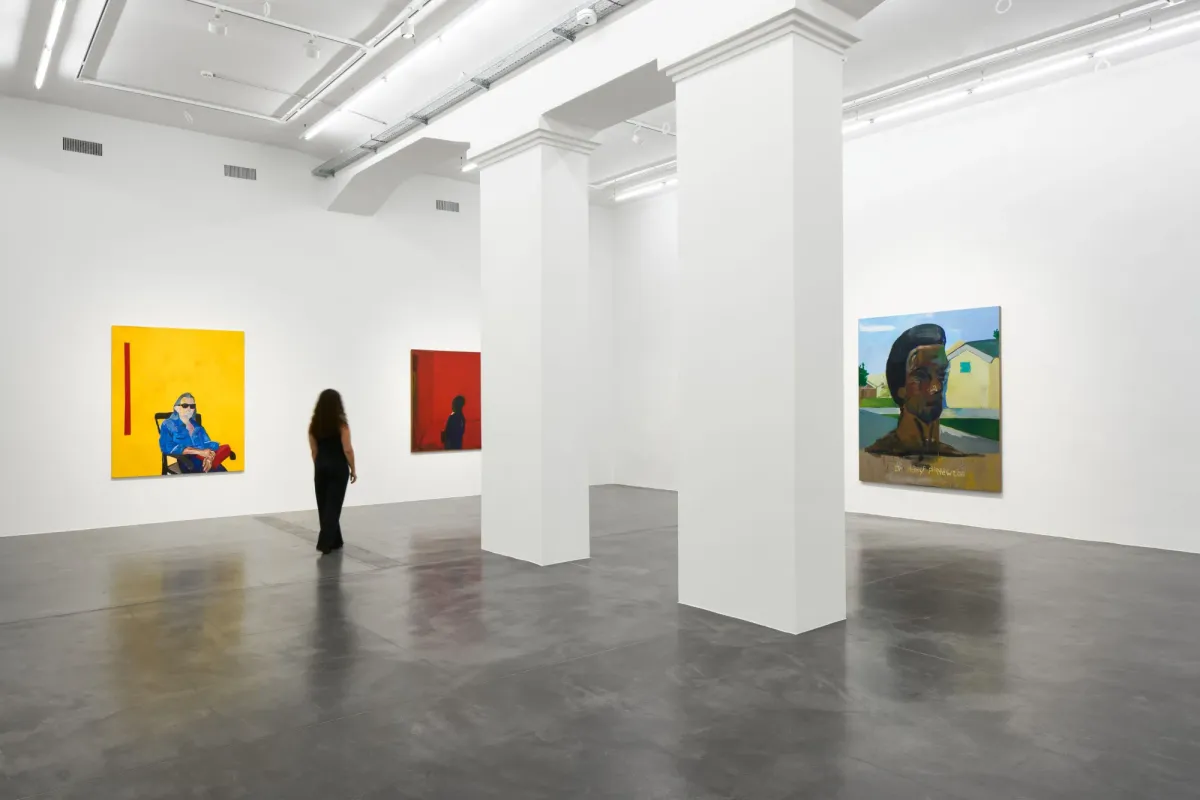
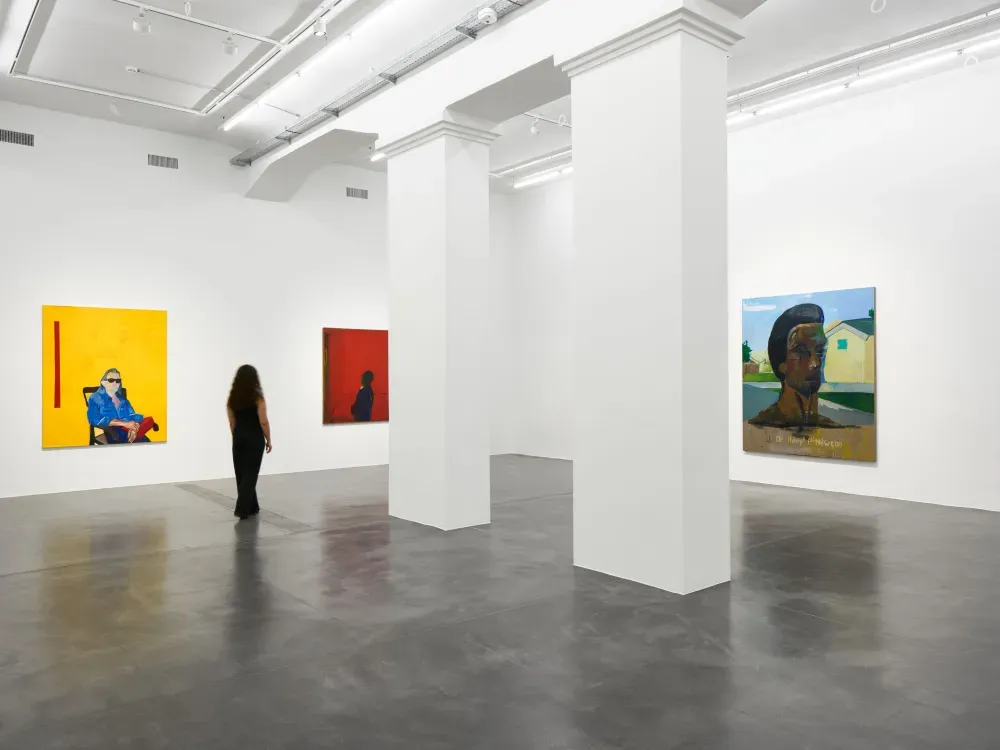
Jarvaise, who passed in 2015, is now the subject of a vibrant portrait by Taylor himself, showing the teacher in black shades, coolly composed in a glowing yellow canvas. This painting, a decade in the making, is the centerpiece of "James Jarvaise & Henry Taylor. Sometimes a straight line has to be crooked," a new show at Hauser & Wirth in Zurich. It runs until September 5, 2026, and spans seven decades of both artists' work.
The Teacher Who Saw It First
Taylor's gratitude for Jarvaise is the stuff of legend. He tells anyone who'll listen that Jarvaise, his instructor at Oxnard Community College in the 1980s, pushed him to go to art school. Back then, Taylor was working nights as an orderly technician at a mental hospital, taking art classes by day. He couldn't have imagined the Whitney Museum or the Picasso Museum were in his future. Jarvaise, it seems, could.
We're a new kind of news feed.
Regular news is designed to drain you. We're a non-profit built to restore you. Every story we publish is scored for impact, progress, and hope.
Start Your News DetoxWhile Jarvaise isn't a household name today, he was part of the groundbreaking 1959 "Sixteen Americans" exhibition at MoMA, alongside giants like Jasper Johns and Robert Rauschenberg. He was one of America's first professional art teachers, shaping minds like Charles Arnoldi and Robert Therrien, and always encouraging his students to "fix and build" their paintings like a mechanic working on a car.
When Taylor joined the prestigious Hauser & Wirth gallery, they asked about his dream project. No hesitation: an exhibition for James Jarvaise. This show isn't just a tribute; it's a promise fulfilled. Taylor, now a commercial and critical success, wanted to share that spotlight with his mentor, whose career, though impactful, was more modest. It's a rare and rather beautiful gesture.
Curator Ingrid Schaffner, who put the show together, notes that Taylor even completed his portrait of Jarvaise in direct conversation with Jarvaise's own work. He borrowed Jarvaise's 1960s painting, The Man in the Room, to hang beside his own, creating a striking dialogue between two silhouetted figures and geometric forms. The show hangs salon-style, without labels, inviting viewers to find their own connections.
And if you think Taylor is only about portraiture, think again. Schaffner points out that the exhibition subtly reveals Taylor's profound use of landscape, a lesson he learned from Jarvaise. Both artists, it turns out, weave the California landscape into their figures, building their paintings with forms that are part human, part earth. It's a testament to a teacher's enduring influence, proving that sometimes, the most important lessons are the ones that shape not just a career, but an entire way of seeing the world.