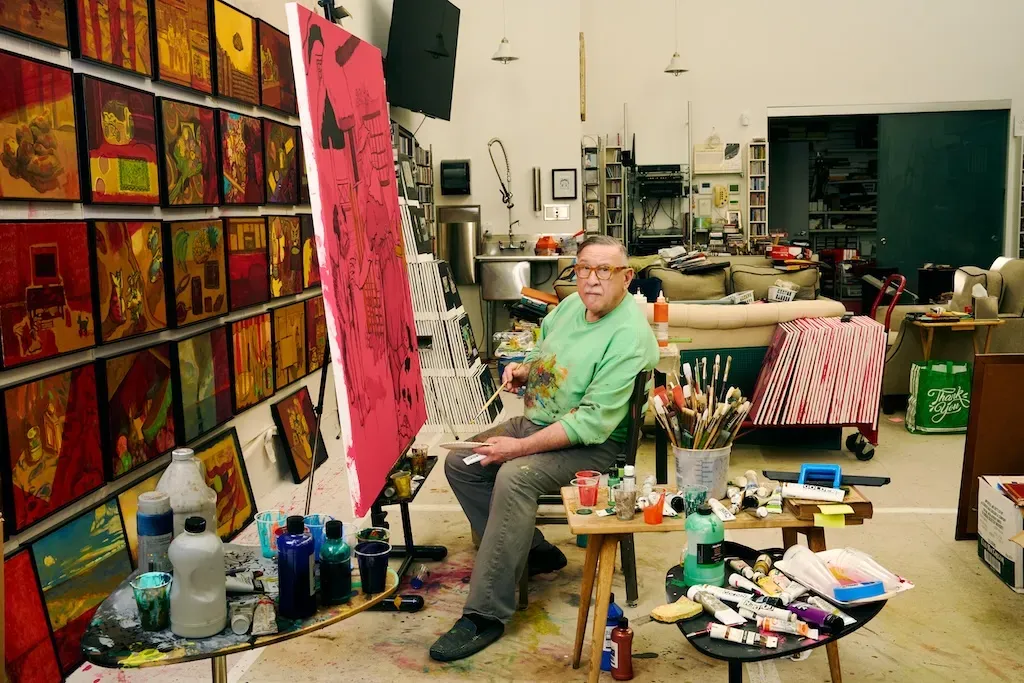
The Detroit Institute of Arts (DIA) just received a donation that probably made their curators gasp: over 2,000 modern and contemporary artworks. That's not a typo. Two. Thousand. Pieces. All from the estate of local collectors Gilbert B. and Lila Silverman. It’s one of the largest gifts in the museum's entire history.
Because apparently, when the Silvermans collected art, they didn't just dabble. They went all in. And now, the public gets to reap the very stylish rewards.
You can start seeing some of this haul in November, when the DIA reopens its newly revamped Modern and Contemporary Art galleries. Which, if you think about it, is both impressive and slightly terrifying for the installation team.
We're a new kind of news feed.
Regular news is designed to drain you. We're a non-profit built to restore you. Every story we publish is scored for impact, progress, and hope.
Start Your News DetoxMore Than Just Paintings
This isn't just a pile of canvases. The gift spans nearly 500 artists and will supercharge the museum's collections across six different areas. We're talking modern and contemporary, African American, American, European sculpture, Native American, and a whole lot of prints, drawings, and photographs.
And the types of art? Everything from artists' books and paintings to sculptures, furniture, jewelry, textiles, and even records of performance art. Because apparently that’s where we are now, and it’s magnificent.
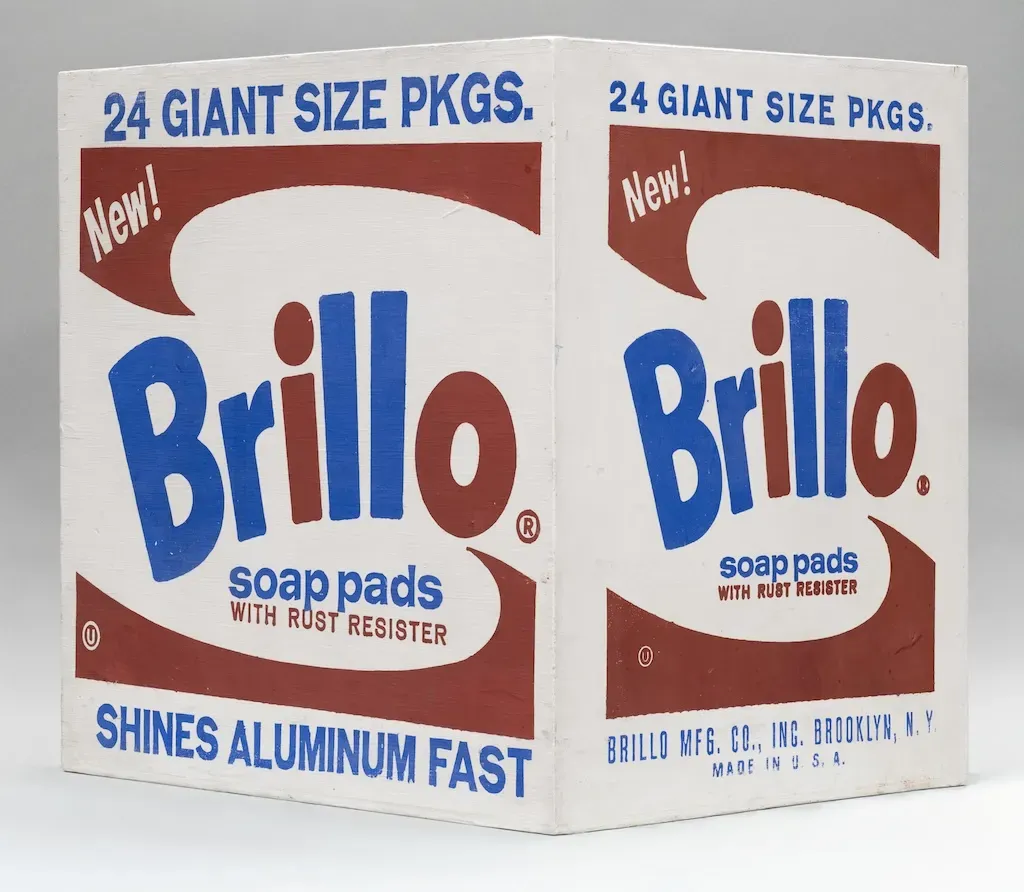
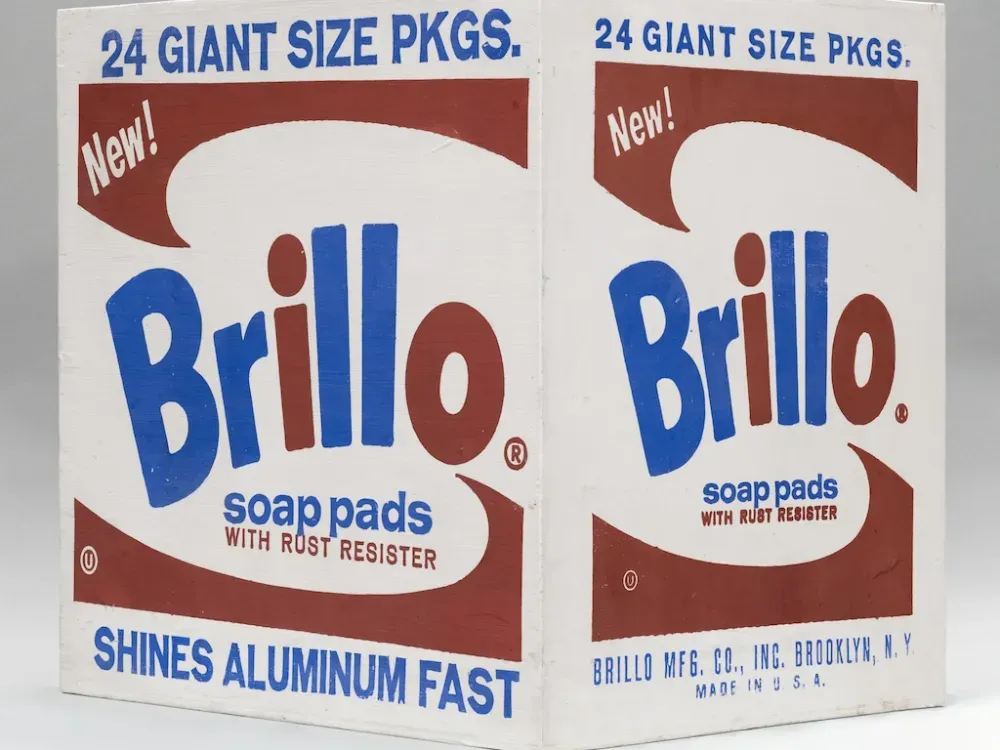
Highlights include a massive boost to the DIA's already impressive Fluxus collection – a movement known for its experimental, often quirky, art. Imagine adding more works by legends like Joseph Beuys, Marcel Duchamp, and Andy Warhol. Plus, new names entering the DIA's halls include heavy hitters like Diane Arbus, Jenny Holzer, and Antony Gormley. It’s a bit like getting a whole new wing, but without the construction dust (mostly).
A Legacy That Shakes Hands With Rivera
The Silvermans weren't just art collectors; they were deeply embedded in the Detroit art scene. Gilbert served on the DIA's board for years, and Lila led multiple museum support groups. Gilbert even had a story that would make any art history buff swoon: as a boy, he watched Diego Rivera paint the museum's iconic Detroit Industry murals. And then, he shook Rivera's hand. Let that sink in.
DIA director Salvador Salort-Pons rightly called this donation "transformative." It's not just about adding art; it's about fundamentally changing how the museum can tell the story of modern and contemporary art. And who doesn't love a good story with a few thousand new characters?