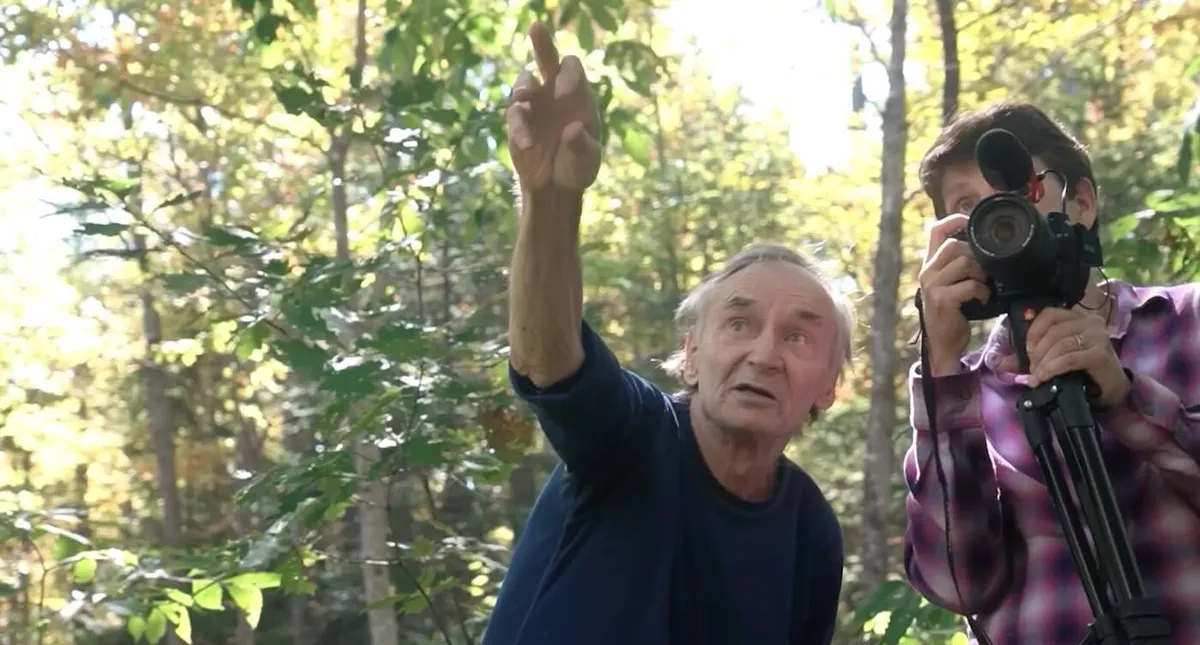
Rose High Bear calls herself a granddaughter of the elderberry plant. For her and other Indigenous peoples across North America, elderberries aren't a crop to be monetized — they're a medicine to be shared freely within the community, a sacred plant tended for centuries. But as demand for elderberry syrups, teas, and juices has exploded in recent years, that ancient relationship is colliding with modern economics.
The numbers tell the story: Most elderberries sold in the U.S. are imported from Germany and Austria, even though the plant grows wild across American soil. Small Midwestern farmers have been cultivating the American black elderberry for nearly 30 years. Entrepreneurs and nonprofits in the West are now racing to build a domestic market for the blue elderberry variety. Missouri alone has roughly 400 acres under cultivation, with researchers at the University of Missouri working to improve growing techniques.
The tension is real. High Bear, founder of Elderberry Wisdom Farm, an Indigenous-run nonprofit in Oregon, feels it acutely. "How can we take something that we regard as so sacred and put a price tag on it?" she asked. Yet Indigenous communities also face poverty, and selling elderberries could generate income to support families. It's not a simple choice between tradition and survival — it's both things at once.
We're a new kind of news feed.
Regular news is designed to drain you. We're a non-profit built to restore you. Every story we publish is scored for impact, progress, and hope.
Start Your News DetoxWhy This Moment Matters
Elderberries offer genuine ecological benefits. As perennial plants, they attract pollinators, support beneficial insects, prevent soil erosion, and store carbon. Research suggests the berries' antioxidant properties can ease symptoms of flu, colds, and respiratory infections — which is why demand keeps climbing.
Some organizations are trying to thread the needle. The Santa Barbara nonprofit White Buffalo Land Trust launched The Elderberry Project to help small producers learn cultivation, build processing capacity, and grow market demand. But a sudden cut to USDA funding has slowed momentum, illustrating how fragile these efforts remain.
The real challenge isn't whether elderberries can be grown commercially — they can. It's whether commercialization can happen in a way that honors Indigenous knowledge and ensures Indigenous communities benefit. Right now, that's still being worked out. As the market grows, the question isn't whether elderberries will be monetized. It's who gets to decide how, and whether that decision includes the people for whom the plant has always been sacred.