In late November 2025, a grizzly bear attacked a group of fourth- and fifth-graders in western Canada, injuring 11 people, four severely. Local authorities launched a search to find the specific bear—potentially to relocate or euthanize it. But after three weeks of trapping, DNA testing, and helicopter sweeps, they had nothing. Four bears were caught and cleared. The bear remained unknown.
This is the problem wildlife managers have faced for decades. Bears look remarkably similar to the untrained eye. DNA testing can identify individuals, but it's expensive and stressful for the animals. Authorities are left guessing.
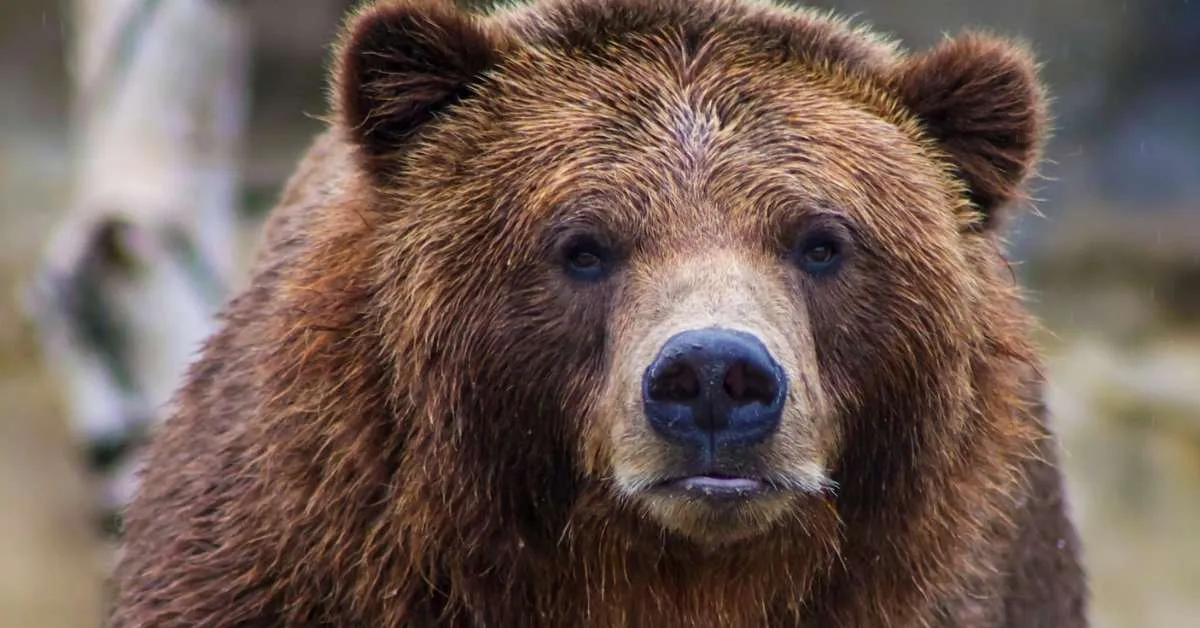
Now, computer scientists Ed Miller and Mary Nguyen, working with behavioral ecologist Melanie Clapham, are developing a tool called BearID that could change this. It's a facial recognition system trained on deep learning—the same technology that identifies human faces in your phone—but calibrated for bears. The algorithm analyzes the unique geometry of a bear's face: the shape of the snout, the spacing of the eyes, the contours around the cheeks. These features remain stable across seasons, even as a bear's body weight fluctuates dramatically.
We're a new kind of news feed.
Regular news is designed to drain you. We're a non-profit built to restore you. Every story we publish is scored for impact, progress, and hope.
Start Your News Detox
The project draws on thousands of images collected by naturalists and photographers at locations like Knight Inlet, British Columbia, and Brooks River in Katmai National Park, Alaska. Researchers have been documenting individual bears for years—often giving them names like "Chunk," a 2025 Fat Bear Week winner identified by his distinctive scar and broken jaw. BearID essentially automates what humans have been doing manually: matching a bear's face across time and space.
Why This Matters
Beyond identifying bears involved in attacks, the technology opens doors for wildlife management that's been constrained by logistics. Ecologists can now more accurately estimate bear population sizes without the stress of capturing and DNA testing. They can track individual animals for behavioral research, understanding which bears are more prone to human conflict and why. They can make informed decisions about relocation versus euthanasia—decisions that currently happen with incomplete information.
There are ethical questions worth taking seriously. Human facial recognition has raised legitimate privacy and surveillance concerns. For wildlife, the risks are different but real: someone could misuse the system to harm bears, or the technology could make wild animals feel less wild by reducing them to tracked data points. Some ecologists worry that naming bears—even algorithmically—changes how people perceive their behavior, anthropomorphizing them in ways that might not serve conservation.
But there's another side to this. Fat Bear Week shows what happens when people connect with individual bears: engagement, fascination, and genuine care for the species. BearID could democratize that connection. Instead of only researchers and park visitors recognizing individual bears, a broader audience could follow specific animals over time, deepening their understanding of bear behavior and ecology.
The technology won't solve human-bear conflict on its own. What it does is give wildlife managers better information at a critical moment—the ability to say with certainty, "This is the bear involved," rather than guessing. In a situation where a wrong decision could mean an innocent bear dies, that clarity matters.