Orchid seeds are barely visible to the naked eye and arrive into the world with almost nothing: no stored nutrients, no obvious way to survive. Yet somehow, wild orchids have thrived in forests for millions of years. Scientists at Kobe University have just figured out how.
The answer lives in deadwood. Fungi that decompose fallen logs feed orchid seedlings during their most vulnerable stage, passing along carbon that these dust-sized seeds desperately need. It's a partnership so consistent that researchers found seedlings germinating almost exclusively near rotting logs—never scattered randomly through the forest floor.
"Studying orchid germination in nature is notoriously difficult," says Kenji Suetsugu, a plant evolutionary ecologist at Kobe University. "The painstaking methods required for recovering their seedlings from soil explain why most earlier studies focused only on adult roots, where fungi are easier to sample."
We're a new kind of news feed.
Regular news is designed to drain you. We're a non-profit built to restore you. Every story we publish is scored for impact, progress, and hope.
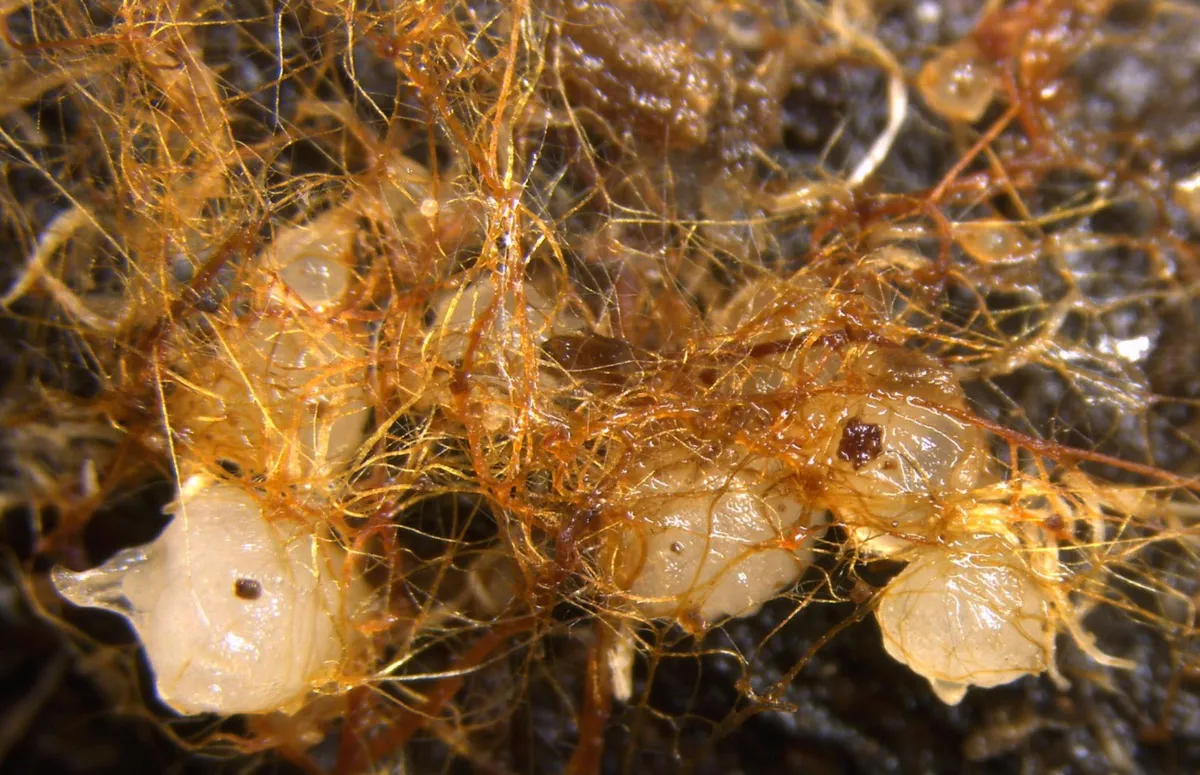
Start Your News DetoxDuring fieldwork, Suetsugu and his team kept noticing the same thing: seedlings and young plants clustered near decaying logs. That pattern was too consistent to ignore. So they ran an experiment, burying seeds from four orchid species at different forest sites. Germination happened only near deadwood. The seedlings that emerged were almost entirely dependent on wood-decomposing fungi.
A Fungi Partnership That Shifts Over Time
What struck the researchers most was how exclusive these relationships were. Each orchid species matched almost perfectly with the same fungi in both its seedling and adult stages—at least at first. "There is an almost perfect match in the fungi that seedlings associate with and the fungi on adult plants of the same species," Suetsugu explains. "But we think that plants shift to other fungi as their nutritional needs change during growth and the carbon source offered by rotting logs dries out."
This discovery fills a long-standing gap in forest science. We've known for decades that mature orchids depend on fungi living inside their roots. But nobody had confirmed that these same fungi also fuel orchid beginnings. Now we understand that deadwood isn't just a decomposing remnant of the forest—it's an active carbon pathway, feeding the next generation of plants.
For orchids, it means survival. For forests, it means a nutrient cycle we'd largely overlooked. The research, published in Functional Ecology in 2025, suggests that fallen logs matter far more to forest health than their role as rotting debris. They're nurseries.
Study: Orchid Germination Depends on Deadwood Fungi - Functional Ecology, 2025