Cricket isn't just a sport in Sri Lanka—it's the country's post-independence heartbeat, a rare unifying force across class, ethnicity, and region. But that passion for the game is now colliding with something equally vital: the fragile ecosystems that sustain entire communities.
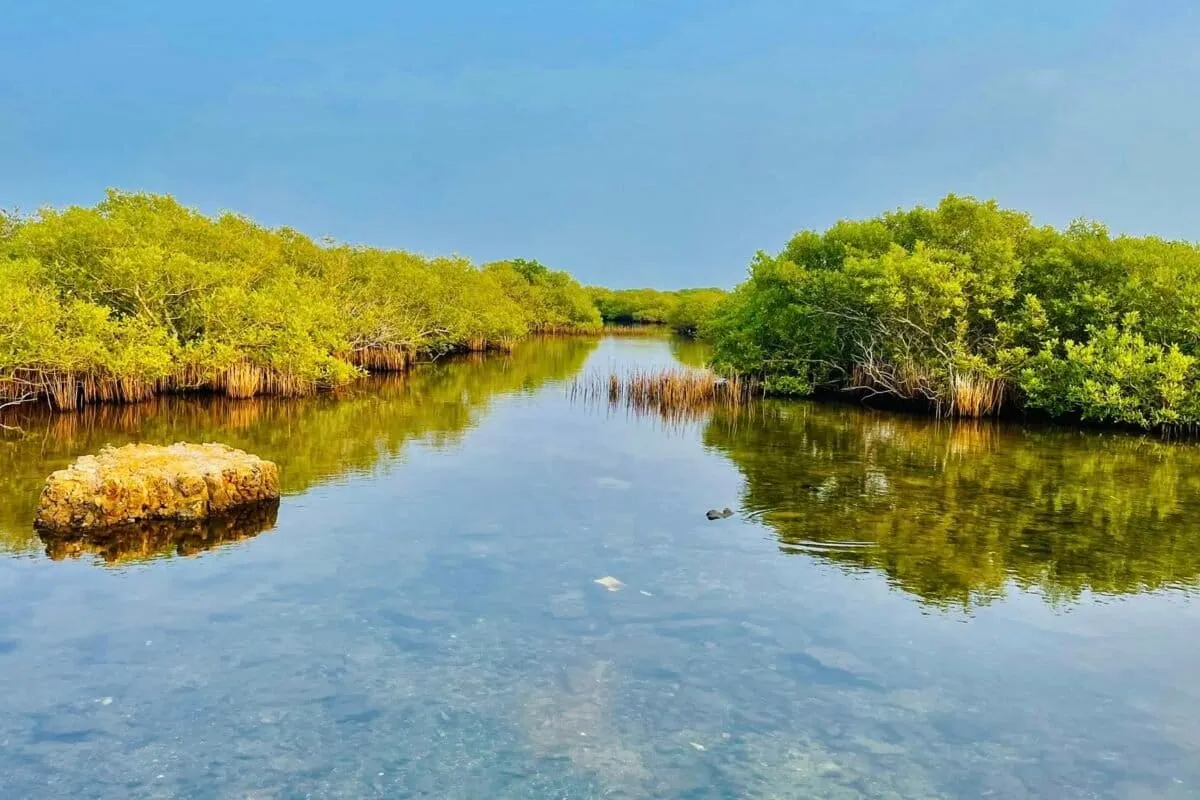
The tension crystallized in September when President Anura Kumara Dissanayake launched construction on the Jaffna International Cricket Stadium on Mandaitivu, a small island off the Jaffna Peninsula. The stadium is meant to be more than a venue; it's framed as a symbol of national unity. But Mandaitivu tells a different story. The island rises only 5 meters (16 feet) above sea level across its 7.6 square kilometers. It's home to a traditional fishing community whose entire economy depends on prawns and crabs—creatures that breed in the mangrove ecosystems the stadium project will destroy.
The broader vision is even larger: Sri Lanka Cricket is developing a 56-hectare sports city in Jaffna, with the stadium as its centerpiece. Prasanna Rodrigo, media spokesperson for Sri Lanka Cricket, says construction faced delays from Cyclone Ditwah but is proceeding as planned for a 2027 completion.
We're a new kind of news feed.
Regular news is designed to drain you. We're a non-profit built to restore you. Every story we publish is scored for impact, progress, and hope.
Start Your News DetoxWhere Development and Survival Collide
Environmental activists see the project differently. Raveendra Kariyawasam, an environmental activist, frames it plainly: "Mandaitivu is a fragile ecosystem that provides livelihoods for the local fishing community. Building a cricket stadium here will devastate the mangroves and disrupt the entire coastal zone."
The concern isn't abstract. Mangroves aren't just trees—they're nurseries for marine life and critical buffers against the sea-level rise and flooding that climate change is already intensifying across the Indian Ocean region. For a low-lying island already under pressure from post-war development, adding a major construction project feels like doubling down on fragility.
This isn't Sri Lanka's first collision between sports ambition and environmental limits. The pattern reflects a broader tension: how do countries balance the genuine human need for unity, pride, and economic development with the equally genuine need to preserve the ecosystems that sustain their most vulnerable communities. The Mandaitivu stadium forces that question into sharp focus—not as an abstract policy debate, but as a choice between two versions of what national progress looks like.
As construction continues toward its 2027 target, the island's fishing community and the mangrove ecosystems they depend on face an uncertain future.