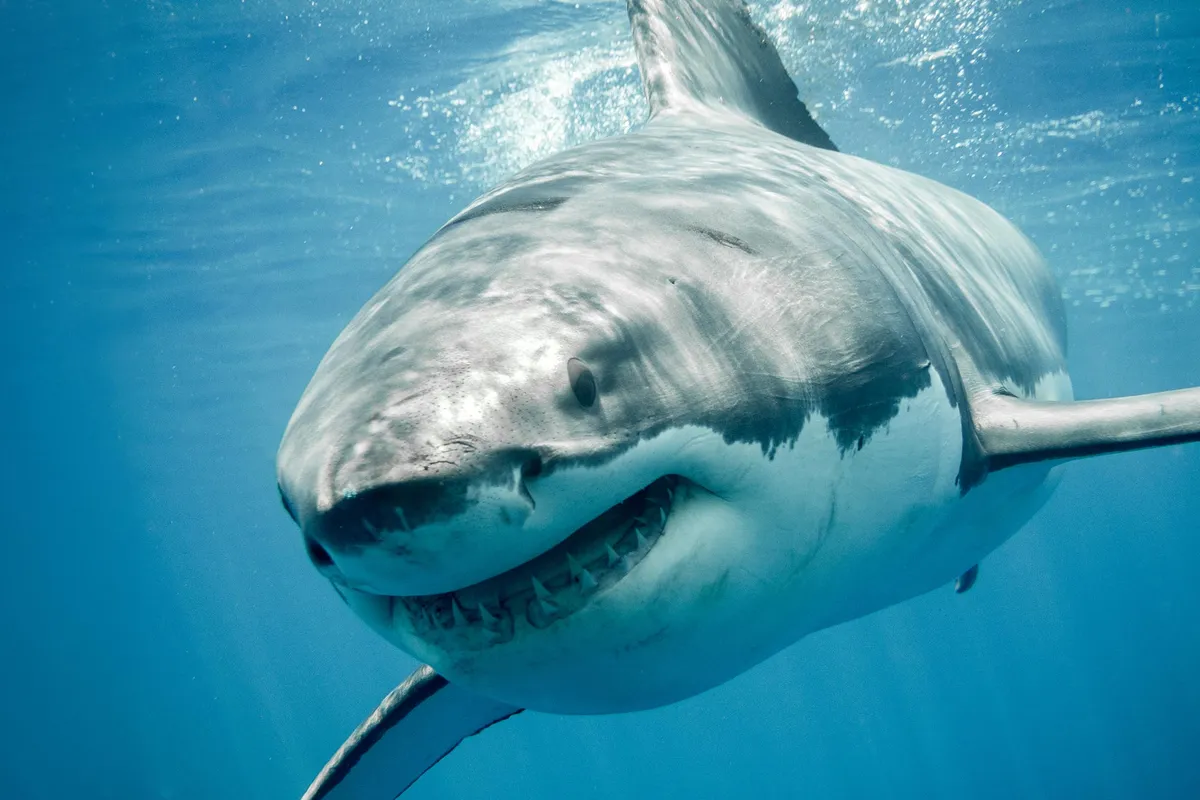
A juvenile great white shark caught off Spain's eastern coast in April 2023 was supposed to be a rare anomaly. Instead, it became the key to unlocking a much larger story: these sharks never left the Mediterranean. They've just been invisible.
When local fishermen hauled in the 7-foot-long juvenile—weighing around 80 kilograms—scientists saw an opportunity. Rather than treat it as an isolated incident, researchers at the University of Las Palmas de Gran Canaria dug into 160 years of records, compiling every documented sighting and capture dating back to 1862. The result, published in Acta Ichthyologica et Piscatoria, revealed what they call a "ghost" population: great whites that persist in Mediterranean waters in irregular, hard-to-detect patterns.
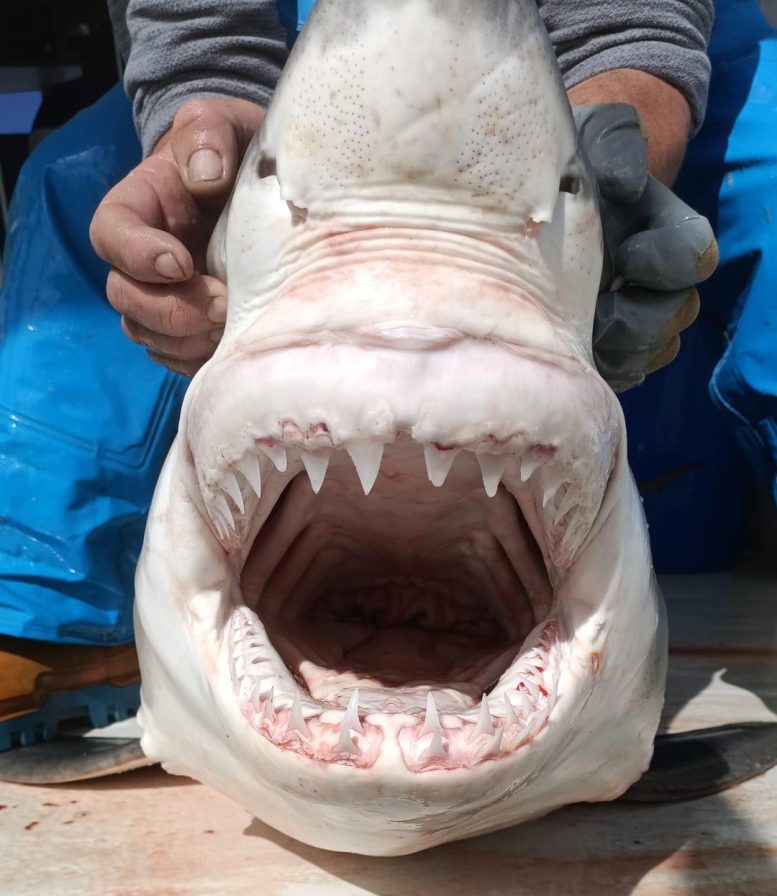
What makes this finding significant isn't just that the sharks are there—it's what their presence suggests about the future. Dr. José Carlos Báez, the study's lead researcher, emphasizes that finding juveniles matters differently than spotting adults. Young sharks in a region hint at something crucial: possible breeding. "The occurrence of juvenile specimens raises the question whether active reproduction may be occurring in the region," Báez explains. If the Mediterranean is hosting breeding populations, not just passing migrants, the picture of great white distribution in European waters shifts fundamentally.
We're a new kind of news feed.
Regular news is designed to drain you. We're a non-profit built to restore you. Every story we publish is scored for impact, progress, and hope.
Start Your News DetoxGlobally, great whites remain listed as Vulnerable, and their populations continue to decline. But in the Mediterranean specifically, the data tells a quieter story—not recovery, but persistence. The sharks are still there, just rarely seen and poorly understood.
Why this matters beyond the headlines
Great whites carry a reputation shaped largely by fear. A handful of high-profile attacks have defined public perception, making these sharks symbols of danger rather than biology. Báez pushes back against that framing, not by minimizing the animals' power, but by redirecting attention to what they actually do. "By shedding light on the biology and ecology of the great white shark, research can help replace unfounded myths with genuine understanding."
The ecological role these predators play extends far beyond their reputation. As highly migratory species, they redistribute energy and nutrients across vast ocean distances. They function as nature's scavengers, consuming carrion and keeping ecosystems clean. Even after death, their bodies sink to the seafloor, delivering critical nourishment to deep-sea communities that rarely encounter such abundance. Remove apex predators like these, and entire food webs feel the ripple.
Moving forward, researchers stress that long-term observation programs—pairing direct sightings with advanced tracking technology—are essential. The Mediterranean's ghost population won't reveal its secrets in a single catch or a single study. Understanding what's really happening in these waters requires the kind of patient, systematic documentation that transforms rare encounters into genuine knowledge.