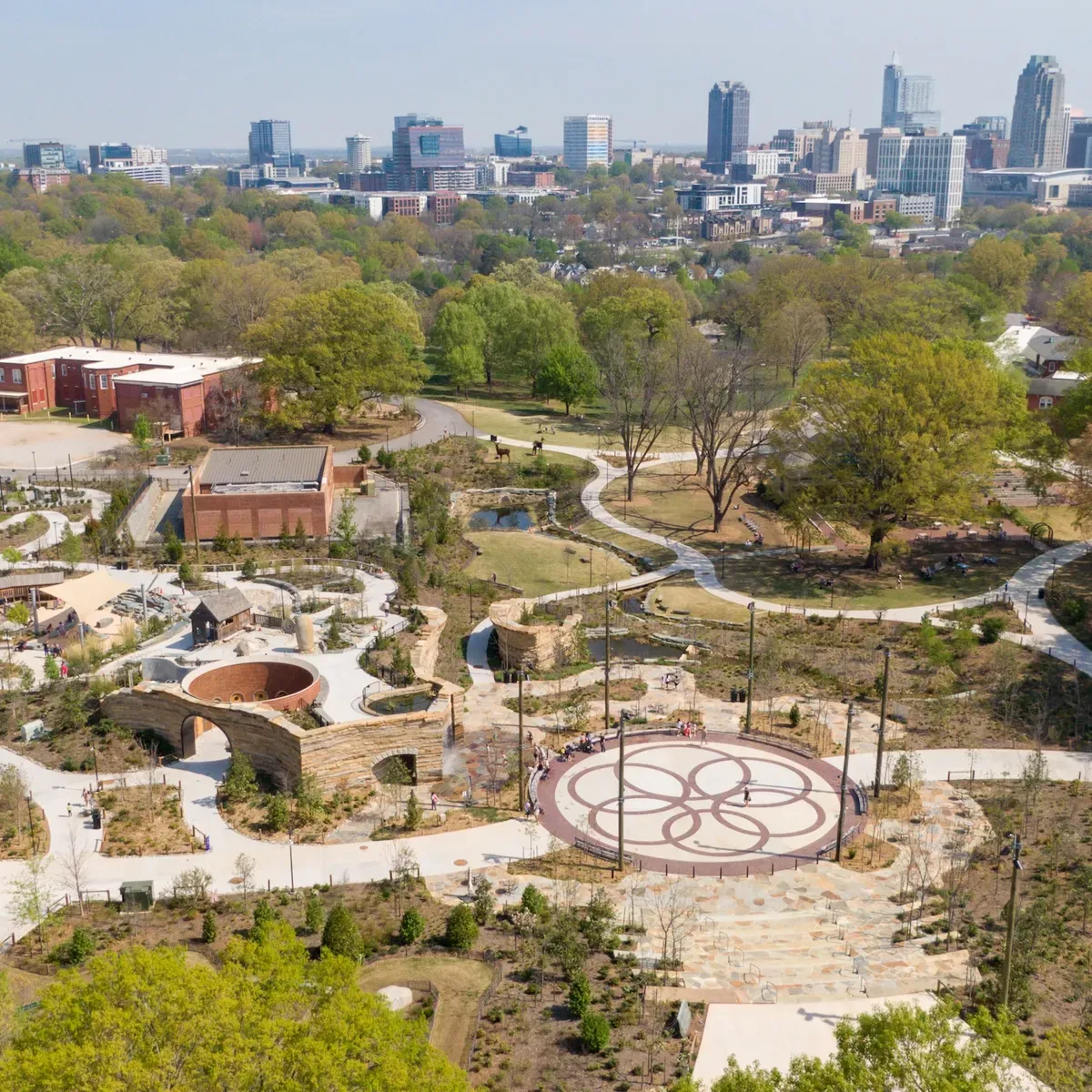
Remember parks? Those quaint little green patches where you might occasionally spot a squirrel or a slightly deflated soccer ball? Well, they're not just for leisure anymore. Cities are now treating them like critical infrastructure, designing them to fight climate change, prevent floods, and, you know, still be a place where people actually want to hang out.
Tim Beatley, who runs the wonderfully named Biophilic Cities Network, says park design is entering an “exciting new phase.” And by exciting, he means cities are pouring serious cash and even more serious brainpower into making these urban oases do some heavy lifting.
Funding Green Dreams (and Flood Control)
Turns out, building a super park isn't cheap. So, cities are getting creative with the purse strings.
We're a new kind of news feed.
Regular news is designed to drain you. We're a non-profit built to restore you. Every story we publish is scored for impact, progress, and hope.
Start Your News DetoxTake San Francisco's Presidio. This isn't just any national park; it was once an Army base. Now, it's a self-sustaining financial marvel. The Presidio Trust, established in 1998, basically plays landlord to the park's historic buildings. In 2024 alone, that rental income hit a cool $182 million, all of which goes back into keeping the park pristine. Lewis Stringer from the Trust calls it a “self-sustaining funding model,” which is a polite way of saying they figured out how to make a park pay its own bills.
Down in Raleigh, North Carolina, Dix Park is a tag-team effort. The city owns and operates it, while the Dix Park Conservancy, a private nonprofit, handles the fundraising. They've already pulled in one-third of the $70 million needed for a new play plaza, which, by the way, opened last June with over 110,000 new plants. Because apparently, even plants need a fresh start.
Parks That Fight Back Against Mother Nature
Modern parks aren't just pretty faces; they're frontline defenses.
Toronto's Biidaasige Park is part of a whopping $1.35 billion project to restore the Don River. Its main gig? Protecting downtown Toronto from flooding. Shannon Baker, project director at Waterfront Toronto, explains the park sits on a new island created specifically for flood protection. Because nothing says “we're serious about climate” like building an entire island.
Raleigh's Dix Park also has a play plaza that doubles as a stormwater manager, capturing and reusing water for irrigation. They're also restoring a mile and a half of creek frontage to help reduce downstream flooding. Which, if you think about it, is both impressive and slightly terrifying that a playground needs to be this robust.
Making Parks for Everyone (Seriously, Everyone)
New parks are prioritizing accessibility and equity, because a park is only as good as the number of people who can actually enjoy it.
Memphis, Tennessee, got a major upgrade with Tom Lee Park, stretching six miles along the Mississippi River. It serves some of the city's poorest areas and now boasts the first disability-accessible path connecting downtown to the riverfront. Danny Rose from SCAPE Landscape Architecture says it’s a huge investment in making the river accessible to communities that were previously underserved.
Back in Raleigh, Dix Park is being called a “vacation in the city” for residents who can't afford to travel. Kate Pearce, the Conservancy's CEO, notes that on Saturday nights, it's “the most diverse space in the entire community.” They even offer low- or no-cost transportation and parking to ensure everyone can get there, even if it means sacrificing some revenue. Because a park isn't a park if only some people can afford the admission price.
The Dix Park site itself has a storied, and sometimes dark, past — a plantation, a Civil War encampment, a mental hospital. Pearce described it as a place people used to avoid, surrounded by barbed wire. The mission? To tear down those physical and psychological barriers, making it a welcoming haven for all.
Community Whispers Become Master Plans
Turns out, asking people what they want in a park leads to better parks. Who knew?
In Memphis, over 4,000 community members weighed in on Tom Lee Park's design. Danny Rose says this input ensures the park boosts individual well-being and strengthens social connections. Because nothing brings people together like a shared vision for a really nice bench.
Over 65,000 residents helped shape Dix Park's master plan. Pearce emphasizes this fosters a sense of belonging and ownership. And in Toronto, for Biidaasige Park, they even had a Twitter (now X) campaign featuring “Rocky the Rock Ripper,” a giant excavator, to engage residents. Because a park isn't truly yours until you've bonded with its heavy machinery.
The Magic Is in the Programming
Designing a beautiful space is one thing, but what happens in it is just as crucial.
Dix Park offers community-driven programs that explore its natural and cultural history, described by Pearce as “a paid experience that’s free.” They act as facilitators, helping community groups organize their own events. Because a park that lets you run your own show is a park you'll keep coming back to.
In Memphis, Tom Lee Park created a curriculum for local youth, teaching them about the Mississippi River, plants, pollinators, and how the environment impacts their health. Rose calls the park “a tool to teach Memphis’s youth.”
And San Francisco's Presidio formed an “Activator Council” to ensure programming appeals to all San Franciscans, not just the lucky ones living nearby. Lewis Stringer says this makes people feel represented and that the park truly belongs to them. Which, when you think about it, is the whole point: parks that are so good, you feel like they were made just for you, even if they're also saving the city from a flood.