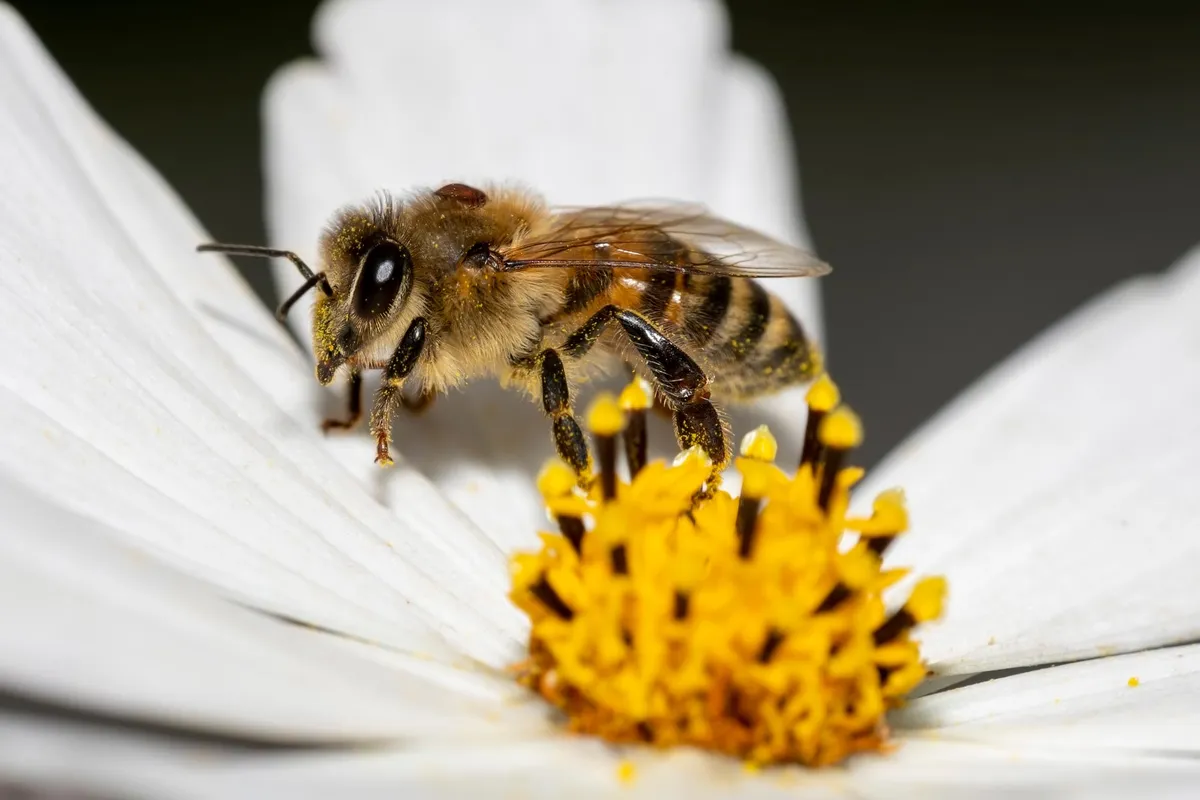
A special type of honeybee in Southern California might have found a natural way to fight a major threat to pollinators. These hybrid bees seem much better at surviving deadly parasites, which are causing commercial honeybee colonies to collapse across the U.S.
Beekeepers in the U.S. lost up to 62% of their managed honeybee colonies in 2025. This trend could seriously impact farming and food production. Many things contribute to these losses, including pesticides, climate stress, shrinking habitats, and parasites. The Varroa mite is one of the most dangerous.
How Varroa Mites Harm Honeybees
Varroa mites hurt honeybees by feeding on their fat body tissue. This tissue is vital for the bees' immune system, energy storage, and overall health. If you compare it to humans, it works like a mix of the liver, pancreas, and immune system. Bees weakened by mites lose weight, get sick more easily, and die sooner.
We're a new kind of news feed.
Regular news is designed to drain you. We're a non-profit built to restore you. Every story we publish is scored for impact, progress, and hope.
Start Your News DetoxThe mites also spread harmful viruses, such as Deformed Wing Virus and Acute Bee Paralysis Virus. They inject these infections directly into a bee’s bloodstream. Beekeepers often use chemical treatments to control mites, but these methods can become less effective over time.
A new study from UC Riverside, published in Scientific Reports, found that a naturally adapted group of Californian honeybees can keep mite levels low without fully getting rid of them.
Genesis Chong-Echavez, a UCR graduate student and lead author of the study, said they kept hearing that these Californian honeybees were surviving with fewer treatments. She wanted to test this carefully and understand why.
Study Tracks 236 Honeybee Colonies
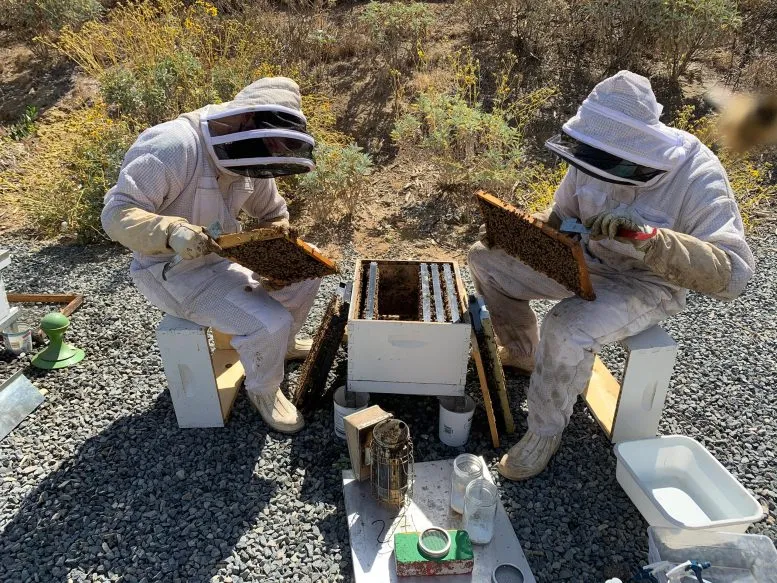
Chong-Echavez worked with researchers from UCR’s Center for Integrative Bee Research (CIBER). They watched 236 honeybee colonies between 2019 and 2022.
The hybrid Californian bees were not completely immune to the mites. However, colonies with locally raised hybrid queens had about 68% fewer mites than colonies with commercial honeybee queens. They were also more than five times less likely to reach mite levels that needed chemical treatment.
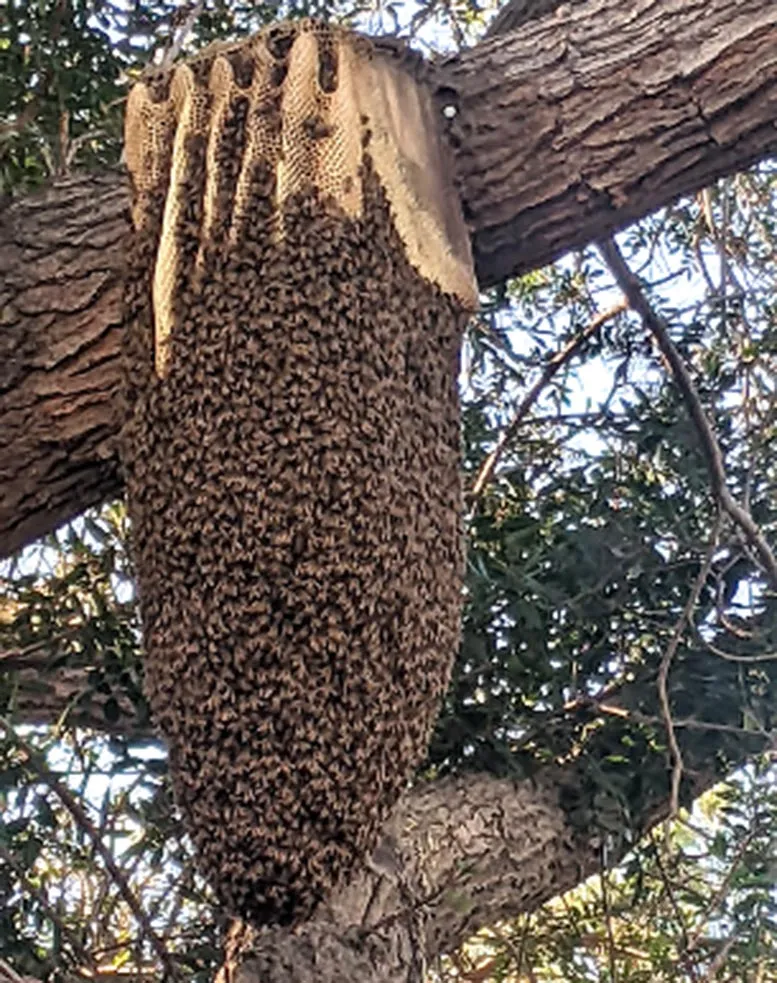
These bees are not a commercial type. They are a genetically diverse group that has settled in Southern California, often from wild colonies living in trees. Earlier studies showed these bees come from at least four honeybee family lines: African, Eastern European, Middle Eastern, and Western European bees.
Early Defense in Honeybee Larvae
Researchers also did lab tests on developing honeybee larvae to see why the bees seemed more resistant. Varroa mites reproduce by entering brood cells. So, scientists checked if the mites were equally drawn to larvae from commercial colonies and Californian hybrid colonies.
They were not.
The mites were less attracted to larvae from the Californian hybrid bees. This was especially true when the larvae were seven days old, which is usually when mites are most likely to invade. These results suggest the bees' defenses might start very early in their development, even before adult bee behavior plays a role.
Chong-Echavez was most surprised that the differences showed up even at the larval stage. She noted this means the resistance might be deeply genetic, not just a behavior.
Hope for Future Honeybee Health
These findings could have a big impact beyond Southern California. Honeybees pollinate crops worth billions of dollars, but they face growing environmental challenges worldwide. This research suggests that natural biological traits could be important for improving honeybee survival.
Boris Baer, a UCR entomology professor and co-author of the study, said the project also shows how important it is to listen to beekeepers who see these colonies every day.
Baer explained that this question didn't start in the lab. It came from talks with beekeepers. He added that they were not just observers; they helped shape the research questions.
The researchers stressed that the Californian hybrid bees are not completely free of mites. They are not telling beekeepers to stop current treatments. Instead, the team hopes to find out what traits help these bees keep mite levels low. They want to see if these traits could be used in future breeding programs or help reduce the need for chemical controls.
The next part of the research will look at the genetic, behavioral, and chemical factors that might make the larvae less appealing to mites.
Chong-Echavez said that at a time when pollinators are declining globally, this work offers a hopeful message. She believes solutions might already be appearing in nature, and we just need to understand them.
Deep Dive & References
Varroa mite resistance in a hybrid honey bee (Apis mellifera) population in Southern California - Scientific Reports, 2026