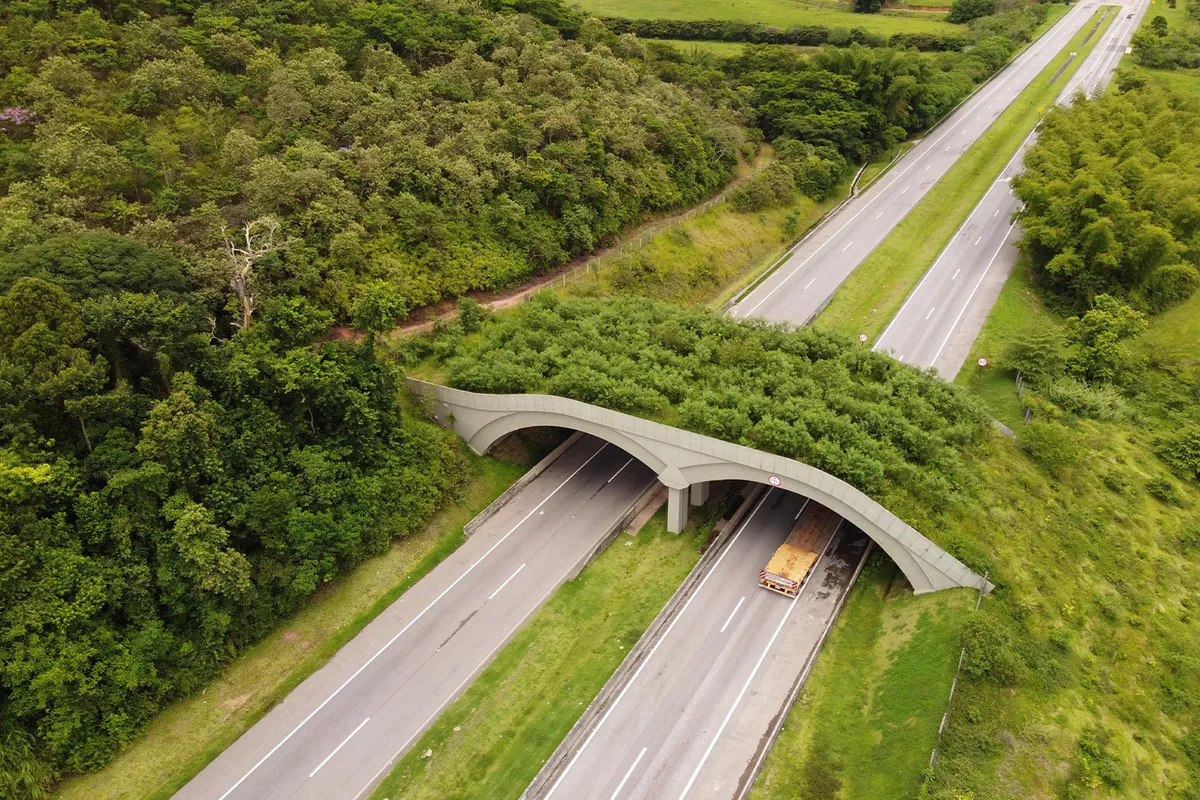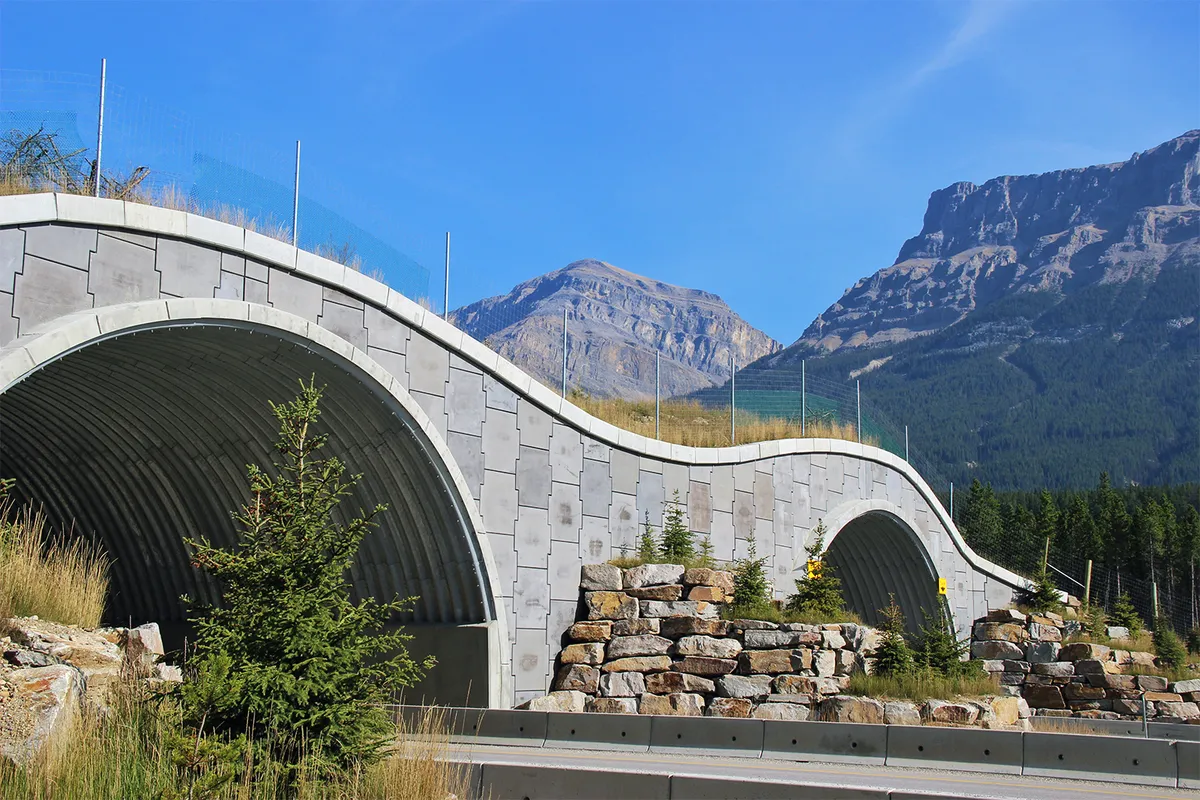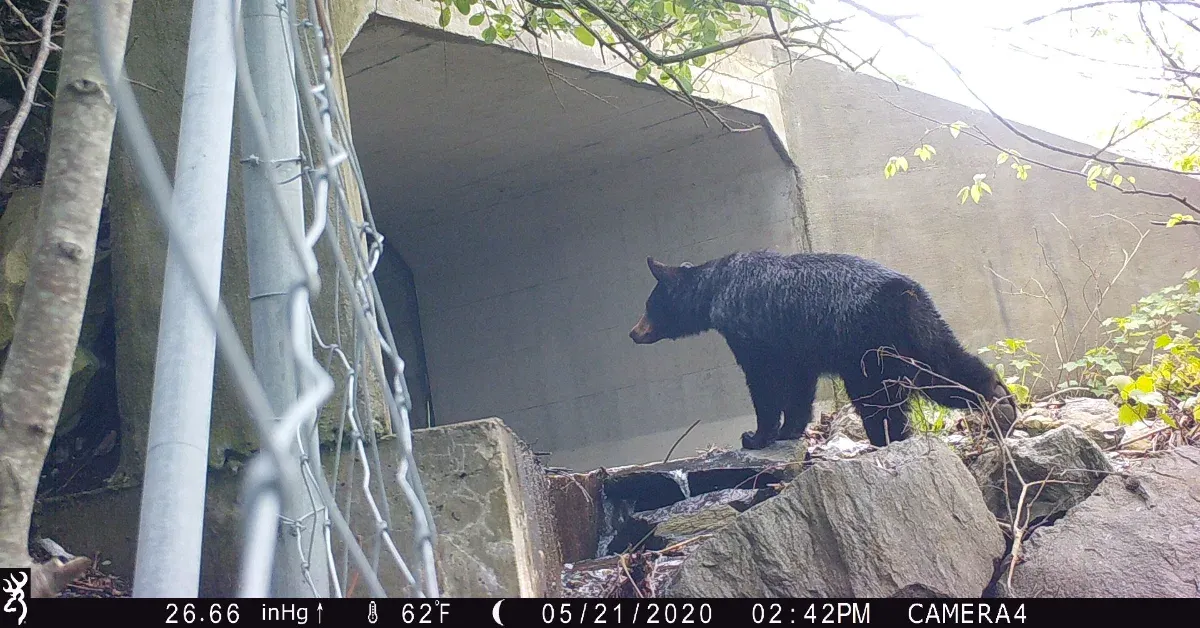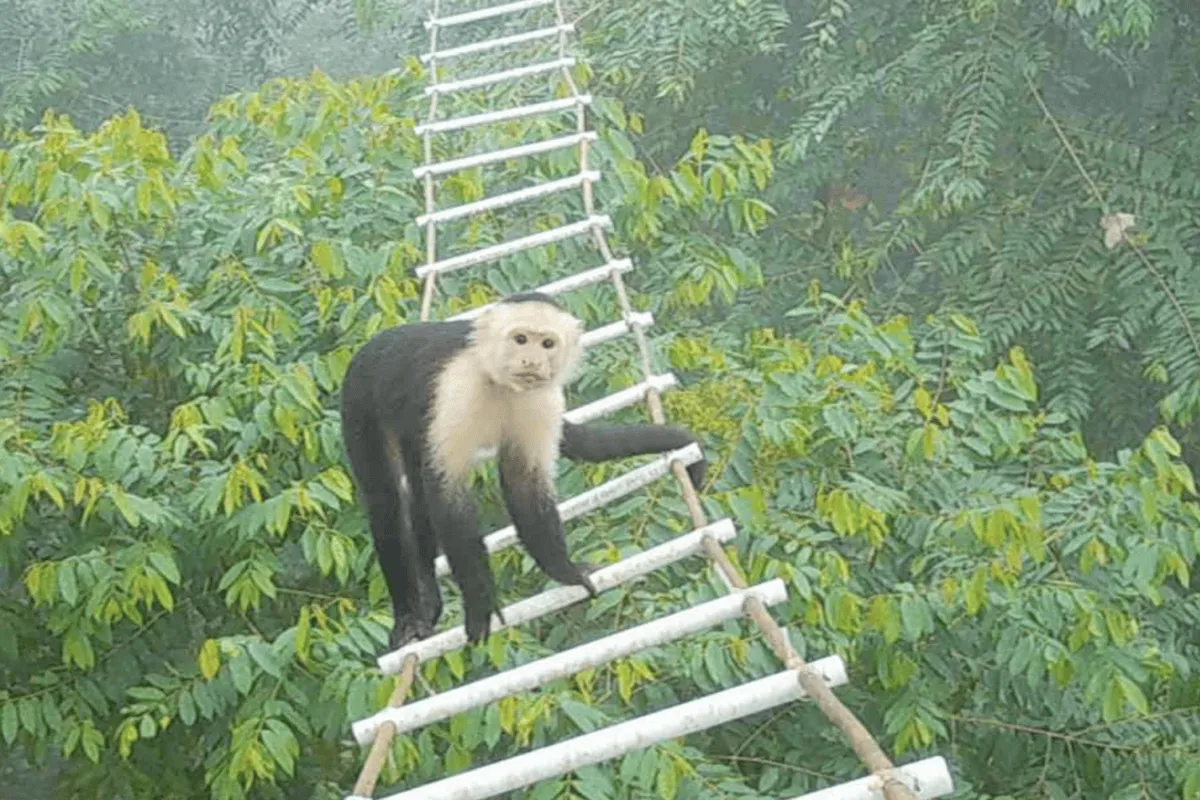
Roads. They're great for us, less so for a kinkajou trying to get to the good berries on the other side. When we carve highways through forests, we essentially put up a giant "NO TRESPASSING" sign for anything that lives in the trees.
Enter the canopy bridge: a literal lifeline for arboreal animals, letting them cross our asphalt rivers safely. The idea is brilliant, but for years, we’ve been operating on a hopeful shrug. Do these things actually work? And if so, how well, and for whom?

Most studies on these leafy overpasses only lasted about a year. Which, if you think about it, is like judging a new restaurant after only trying the breadsticks. You get a taste, but not the full, glorious picture.
We're a new kind of news feed.
Regular news is designed to drain you. We're a non-profit built to restore you. Every story we publish is scored for impact, progress, and hope.
Start Your News DetoxThe Long Watch
That's where a new study out of Costa Rica swooped in, armed with camera traps and the kind of patience usually reserved for deep-sea fishing. For three glorious years, researchers watched and waited, recording thousands of furry commuters on 17 different bridges across the Osa Peninsula — a biodiversity hotspot that basically vibrates with life.
What did they find? A whopping 2,231 crossings by at least 13 different tree-dwelling mammal species. And here's the kicker: animal use increased over time. It seems animals need a little time to update their mental maps, but once they do, these bridges become prime real estate.

Who were the frequent flyers? Common opossums and Mexican hairy dwarf porcupines, both of whom previously faced a rather grim game of Frogger with oncoming traffic. White-faced capuchin and squirrel monkeys also became regulars. Imagine the little social media posts: "Just crossed the #CanopyCommute, traffic was light!"
Interestingly, the bigger howler and spider monkeys weren't spotted. Maybe they're too heavy, too picky, or just prefer the scenic route (i.e., not crossing a road at all). But for the smaller, more vulnerable critters, these bridges aren't just working; they're getting more popular by the year. Someone alert the city planners: build it, and they will climb.