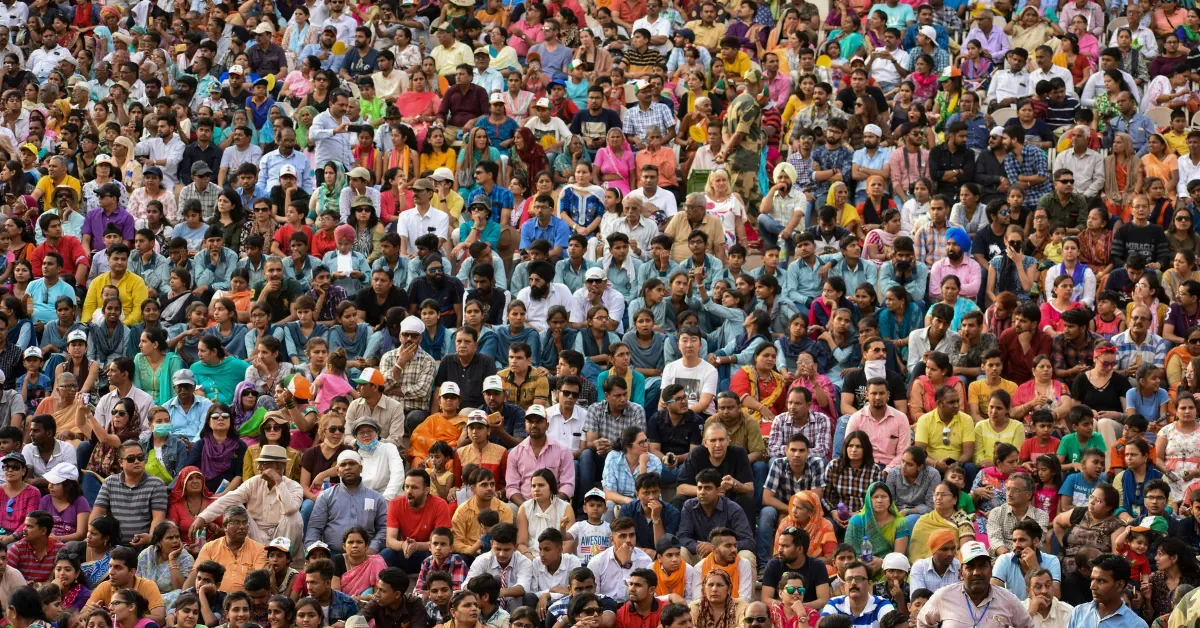
Imagine a national headcount for 1.4 billion people, but instead of waiting for a knock on the door, you just… fill it out on your phone. India's upcoming Census 2027 is making that a reality, giving citizens the option to count themselves for the very first time.
This isn't just about speed; it's about shifting the world's largest data collection effort into the digital age, making it more active and, crucially, more inclusive. Don't worry, the traditional door-to-door visits aren't going anywhere — this is a hybrid model designed to catch everyone.
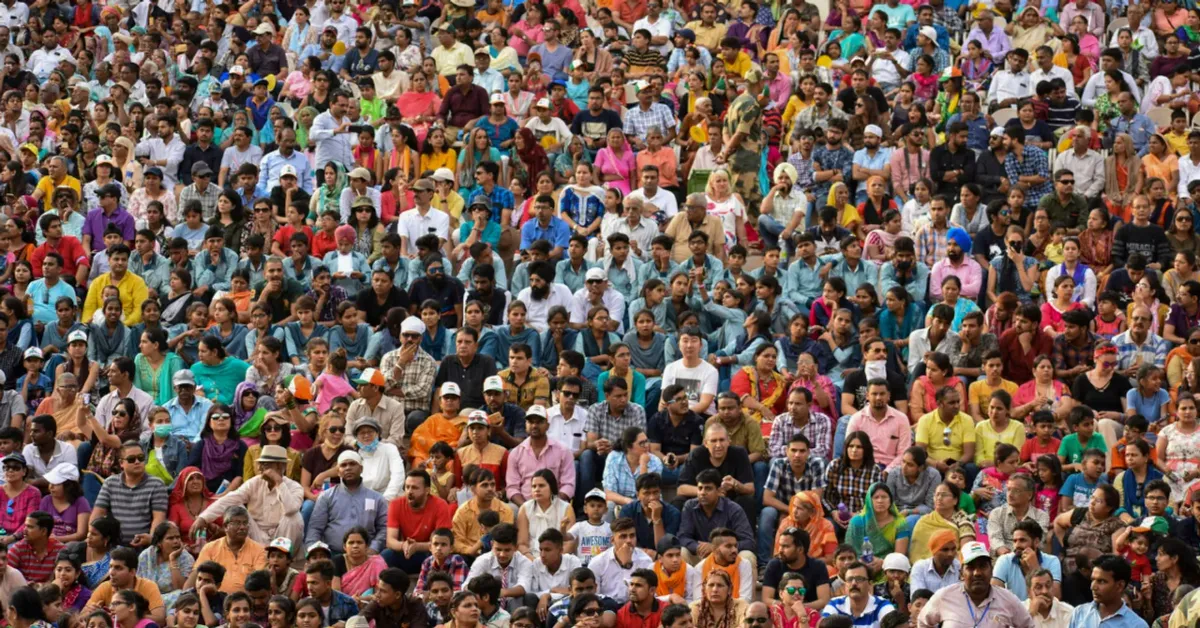
The World's Biggest Tally Goes Digital
India's census is a truly monumental undertaking. Every decade, it gathers incredibly detailed information on everything from age and education to housing conditions across a nation of staggering diversity. The last count in 2011 tallied over 1.21 billion people in roughly 250 million homes, requiring millions of enumerators.
We're a new kind of news feed.
Regular news is designed to drain you. We're a non-profit built to restore you. Every story we publish is scored for impact, progress, and hope.
Start Your News DetoxThis data isn't just a fun fact; it's the bedrock for government programs, infrastructure planning, and political representation. The 2011 census, for instance, showed India's literacy rate hitting 74% and highlighted the accelerating shift of over 31% of Indians to urban centers, demanding new approaches to city planning. Now, after more than two decades, India's population, its movements, and its digital access have exploded — hence the need for an upgrade.
From its first organized census in 1881 under British rule, the process has evolved from simple headcounts to a sophisticated social and economic mapping tool. The 2011 census hinted at the digital future, but 2027 is going all in, using technology to make the data more current and useful than ever.
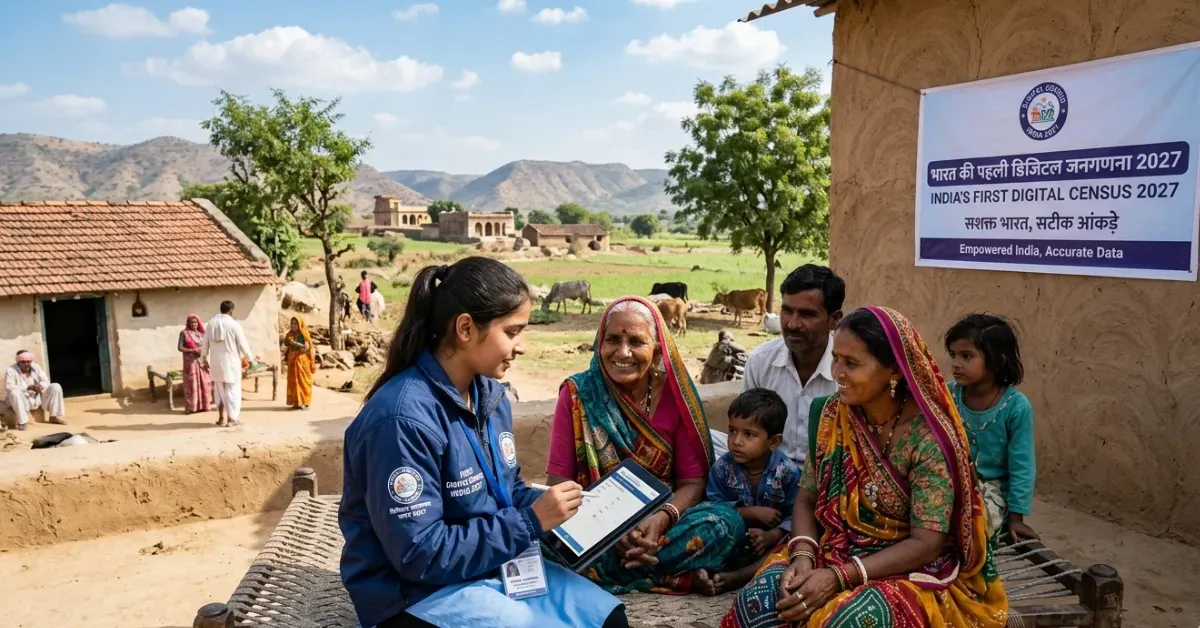
Because a fully digital system could easily leave some folks behind, Census 2027 is opting for a smart hybrid. Online self-enumeration will run alongside traditional visits, ensuring enumerators can still reach those without devices or internet access. It’s technology supporting human effort, which is a surprisingly refreshing concept these days.
How to Count Yourself (Literally)
Self-enumeration means you get to be the one to input your details online, rather than solely relying on an enumerator. This could lead to more accurate data and definitely makes the process more citizen-led. Plus, it’s a homegrown tech effort, with the core platforms developed by the Centre for Development of Advanced Computing (C-DAC), a government-backed body.
At the heart of it all is the Census Management and Monitoring System (CMMS) — essentially a central dashboard that acts as the command center. It pulls data from millions of enumerators, tracks progress in real-time, and flags errors quickly. Think of it as the ultimate project manager for a nation.
Working in tandem are several digital tools: an online portal for self-enumeration, a mobile app for enumerators (that even works offline, bless its heart), and a geo-mapping tool using satellite images to ensure no corner of the country is missed. No more lost paper forms, just a connected digital network.
The census will still happen in two phases: first, collecting data on housing conditions and amenities (water, electricity, internet access), then recording individual details like age, education, and occupation. The big difference? Real-time data entry via handheld devices for enumerators, and of course, the option for you to just do it yourself online.
If you choose the digital route, here’s the expected rundown:
- Hit the portal: Access the official website when it opens.
- Register: Use your mobile number, verify with an OTP.
- Fill it in: Enter household details, then socio-economic info.
- Review & Submit: Double-check everything.
- Save your ID: Keep that acknowledgement number handy.
Completing this in advance should make the enumerator's follow-up visit a breeze. This isn't just about updating a process; it's about rethinking how a nation counts, understands, represents, and ultimately serves its people. From clipboards to clicks, India is showing how a truly massive undertaking can embrace the future without leaving anyone behind.