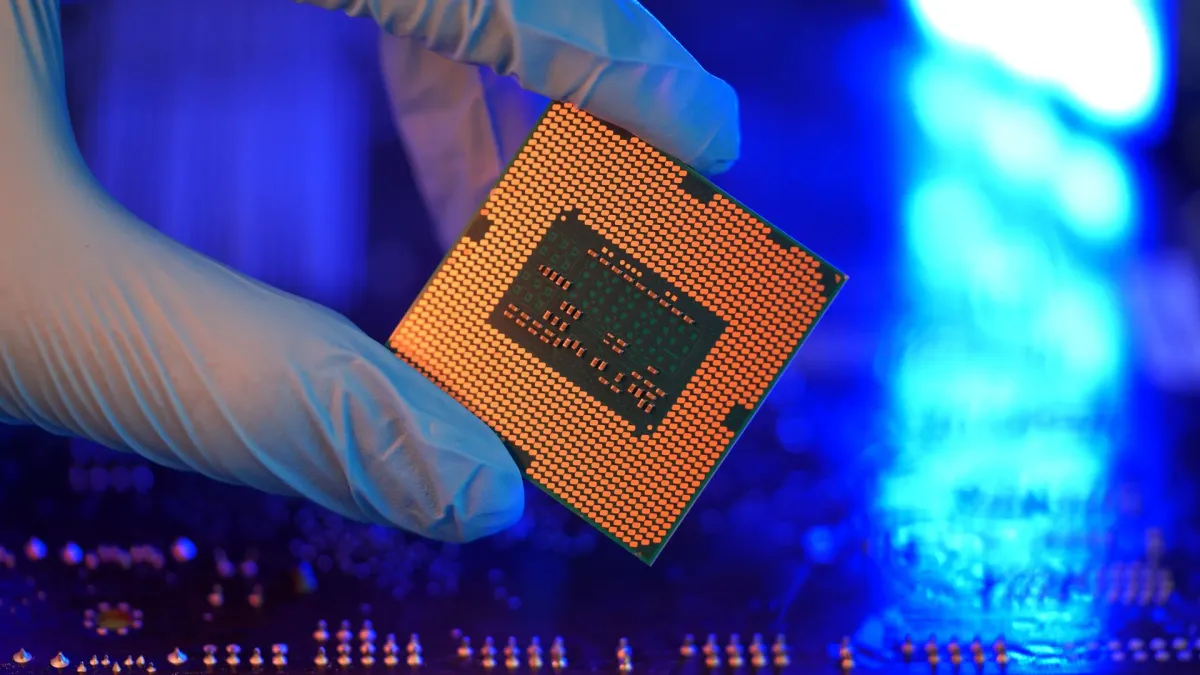
Turns out, when you can't get all the fancy tools you want, you get creative. Huawei, facing some rather tight restrictions on advanced chipmaking, just unveiled a new chip design that effectively tells overheating to take a hike. Their secret? Going vertical.
This isn't just about making phones less likely to spontaneously combust during a gaming session. It's about a clever workaround for a very modern problem: how to keep making chips faster and more powerful when you're limited on the bleeding-edge manufacturing tech. Huawei’s new vertically stacked semiconductor design, based on something they call the Tau Scaling Law, promises more transistors, less power guzzling, and a much cooler demeanor.
The Tower of Power
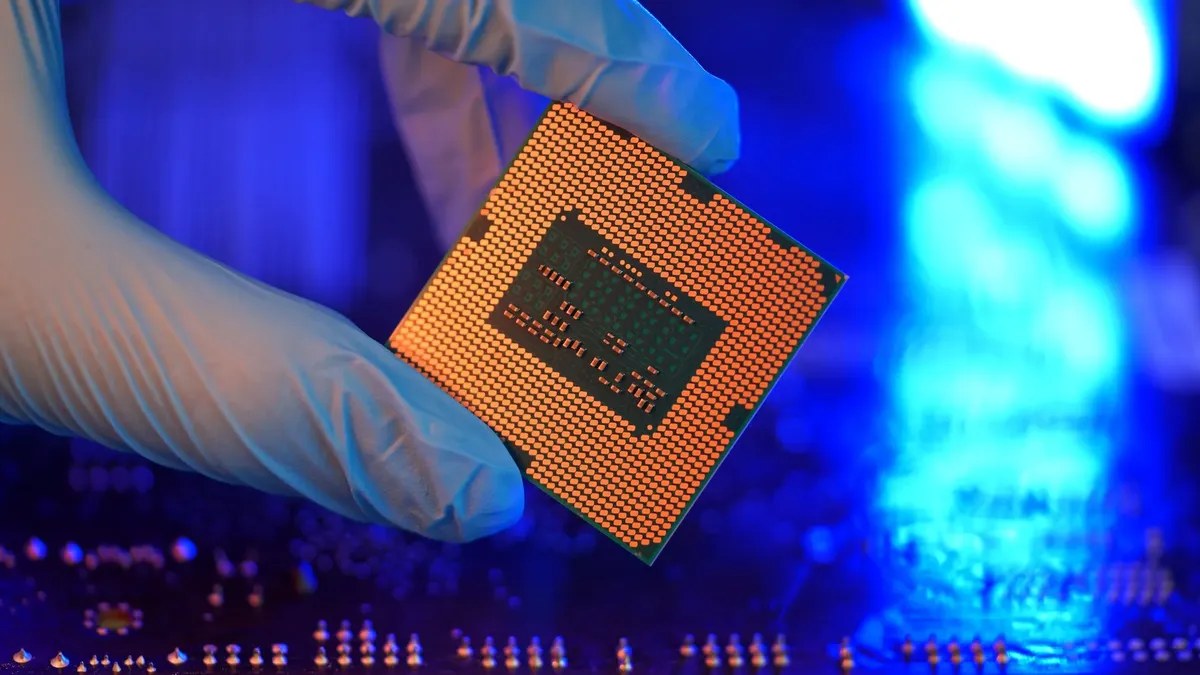
Forget spreading circuits out like a sprawling ranch house. Huawei's "LogicFolding" architecture builds up, stacking active chip layers like a high-rise. This means signals have less distance to travel between the crucial bits — the NPUs, GPUs, CPUs, and DSPs that do all the heavy lifting (and heavy heating) in your smartphone processor.
We're a new kind of news feed.
Regular news is designed to drain you. We're a non-profit built to restore you. Every story we publish is scored for impact, progress, and hope.
Start Your News DetoxLess travel time means less energy lost, which in turn means less heat generated. It’s like shortening your commute to save gas, but for electrons. Huawei also got smart about where the heat does go, using "thermal planning" to strategically place the hottest parts where they can dissipate their fiery energy more easily. The result? A chip that can flex between power-saving mode and full-throttle performance without turning into a tiny hotplate.
This isn't just a neat trick; it's a strategic move. The Tau Scaling Law, which Huawei introduced back in May, is their answer to increasing transistor density without needing the absolute latest extreme ultraviolet lithography machines that are currently off-limits. They've published three papers on this since May, because apparently, when you find a clever way around a problem, you tell everyone (who's allowed to listen).
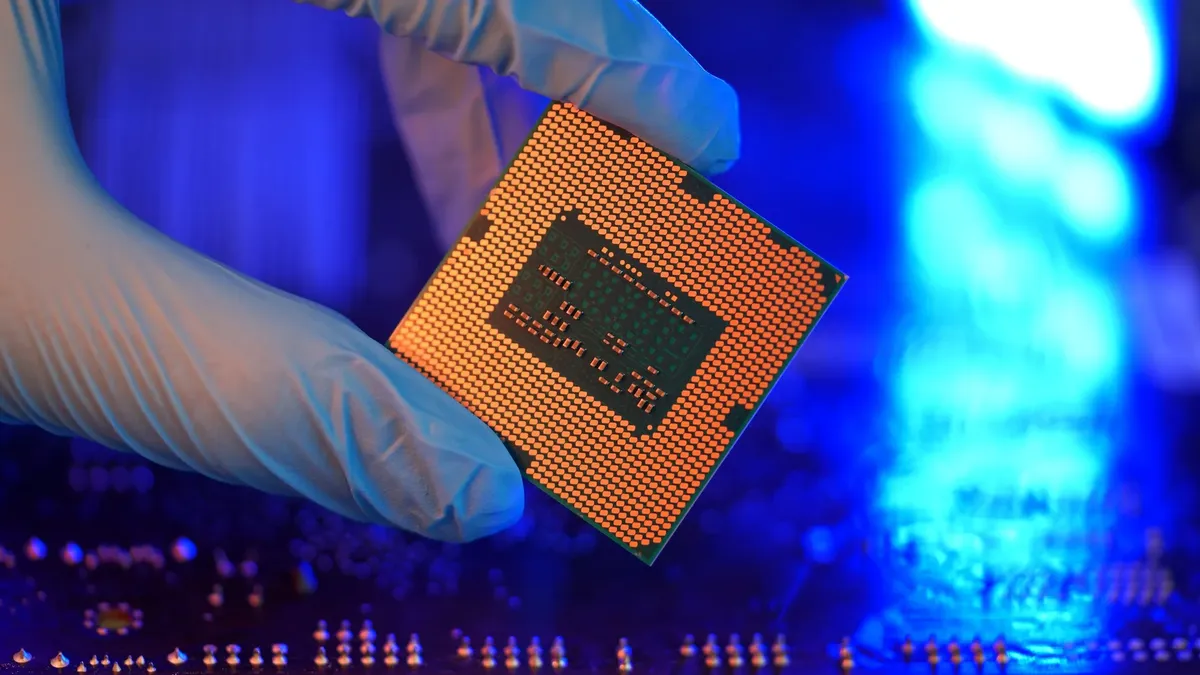
Analysts are already buzzing that this could spark a whole new wave of innovation in semiconductor materials and packaging, giving Chinese chipmakers a path to boost performance without relying on foreign tech. Zheng Lei, an economist at Samoyed Cloud Technology Group, summed it up perfectly: this approach was "born out of necessity." Because apparently that's where true innovation often springs from.
If these claims hold up – higher density, less power, better heat management – then vertically integrated chip designs could be the next big thing, especially as traditional chip scaling starts to hit its limits. Which, if you think about it, is both impressive and slightly terrifying in its ingenuity.