For two decades, our tech overlords decreed that the future was flat, glassy, and entirely devoid of tactile satisfaction. Phones lost their keyboards, music players became minimalist panes, and car dashboards transformed into giant, finger-smudged touchscreens. The gospel was clear: physical buttons were dead.
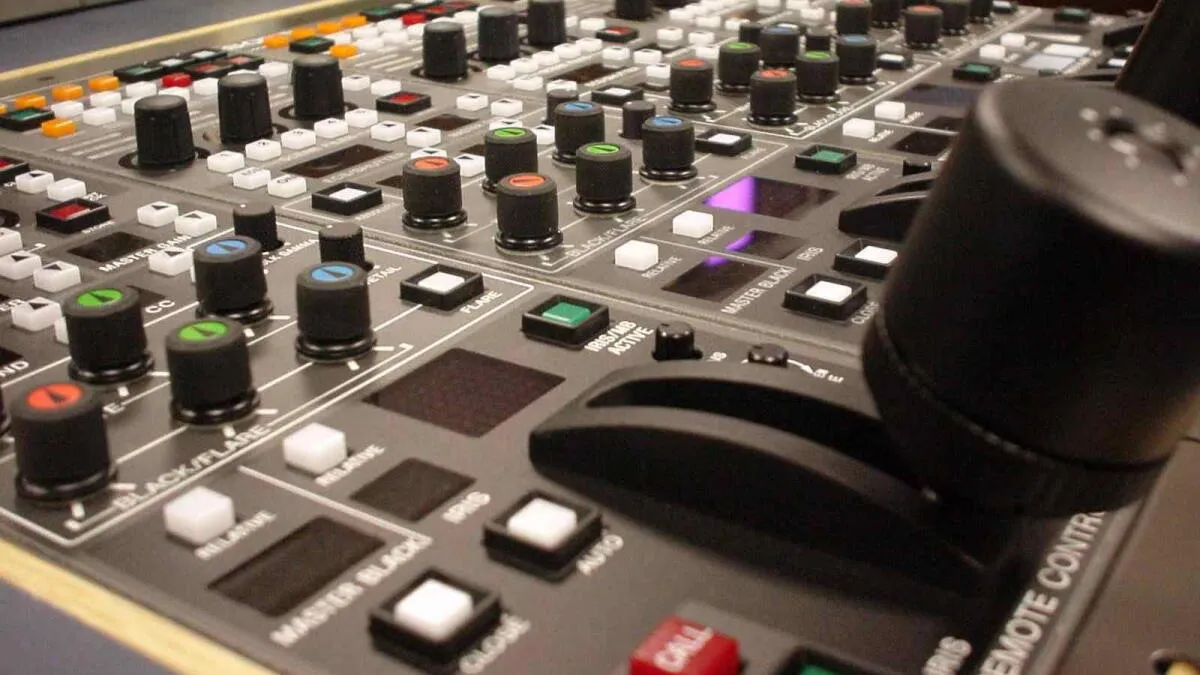
Well, someone forgot to tell our fingers. Because a quiet rebellion is brewing, and it's bringing back the glorious, clicky goodness of actual buttons. The kind you can press without looking, thanks to that ancient, mystical power known as muscle memory.
Take the humble desktop controller. Once the domain of gamers and professional streamers, devices like the Stream Deck+ are now popping up on regular folks' desks. Why? Because they're basically a personalized mission control for your digital life. Instead of fumbling through menus or shouting commands at an indifferent smart speaker, you just press a button.
We're a new kind of news feed.
Regular news is designed to drain you. We're a non-profit built to restore you. Every story we publish is scored for impact, progress, and hope.
Start Your News DetoxOne user, for example, built a button that opens a firewall to let smart home devices update, then slams it shut again. No more navigating arcane security settings. Just a satisfying click, and your camera can finally talk to the internet, briefly. Apparently, we've reached a point where digital bouncers are a thing, and we need a button to manage them.
The Great Tactile Comeback
This isn't some retro fad. It's a fundamental human preference reasserting itself. Back in 2005, engineers were already trying to make "touchscreens that touch back" with haptic feedback. By 2013, Tactus developed actual rising buttons on a touchpad. Continental followed in 2018 with a dashboard display promising "the best of both worlds."
Even Apple, the high priest of sleek minimalism, has been refining haptic feedback to simulate button presses. But perhaps the most telling sign? Volkswagen, a company whose ID.3 infotainment system was widely panned for its button-free misery, recently announced that physical buttons are officially returning to future car models. Because apparently, looking away from the road to adjust the climate control is, shockingly, not ideal.
Meanwhile, the DIY crowd is getting in on the action, building their own programmable macro pads with open-source software and affordable hardware. It's a full-circle moment where the flexibility of software meets the undeniable, physical certainty of a real button. The label might change, the function might be reassigned, but the press remains.
The Frictionless Future (with Buttons)
Muscle memory isn't just satisfying; it's safer. In a car, knowing where the controls are without taking your eyes off the road is, you know, important. The goal, it turns out, isn't just more ways to control our digital lives. It's about creating a "frictionless interface." It's about reducing the effort and thought needed for tasks until you're not even thinking about the controls anymore.
It's about a single button doing the work of a dozen clicks or a lengthy voice command. It's about getting things done so seamlessly that the technology disappears. Which, if you think about it, is what technology was supposed to do all along: make our lives easier, not make us miss buttons.