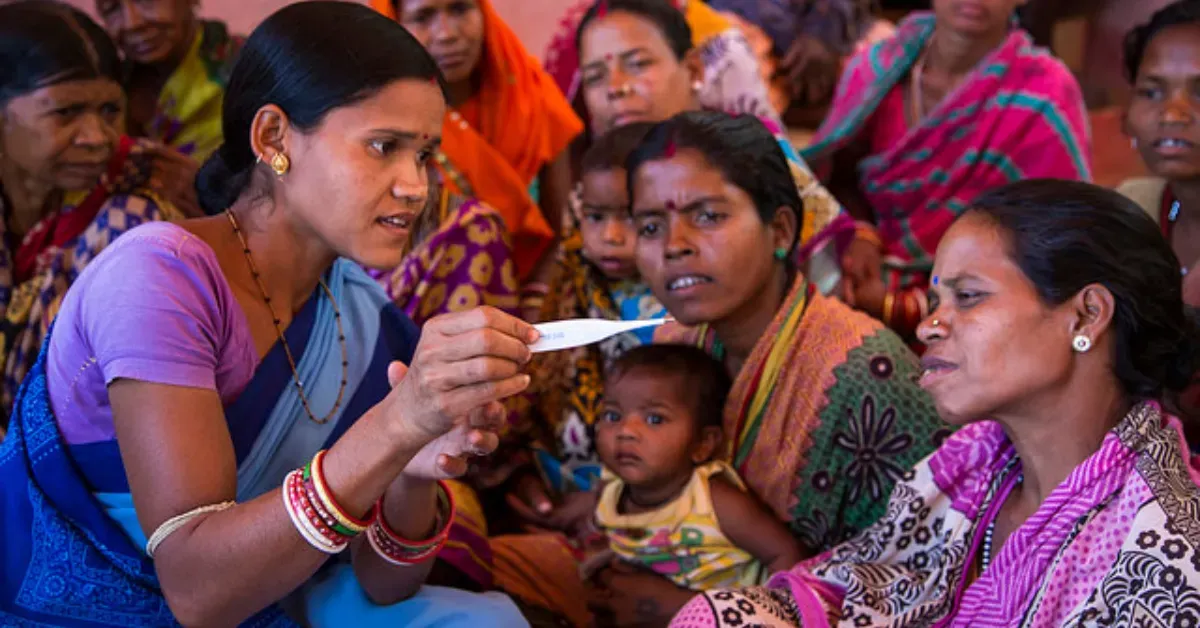
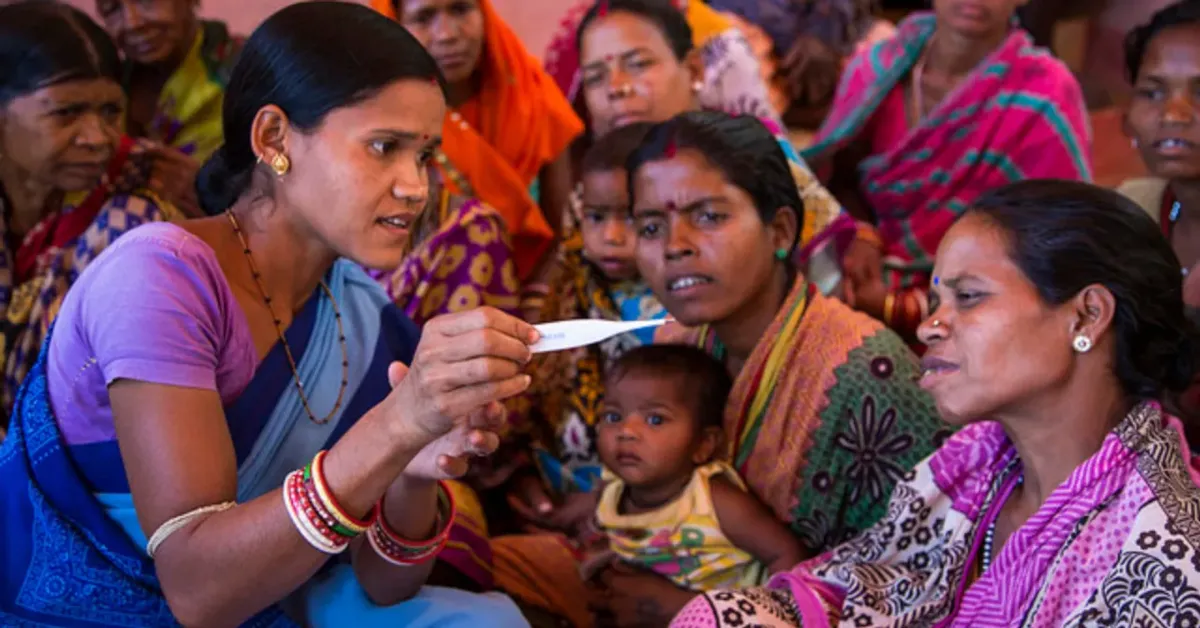
For over two decades, if you lived in rural India and needed medical help, chances are you knew an ASHA worker. These Accredited Social Health Activists are the backbone of community healthcare, a million strong, checking on pregnant mothers, tracking newborns, and generally being the first, and often only, link to formal medical care.
Now, these frontline heroes are getting a new co-pilot: an AI-powered mobile app called SMARThealth Pregnancy 2. But here’s the twist: instead of some lab in a distant city designing it for them, the ASHAs are designing it themselves. Because apparently, that's where we are now: the people actually doing the work get a say in the tools they use. What a concept.
AI, Designed by the People Who Actually Use It
The George Institute for Global Health and the University of Oxford are behind this refreshingly sensible approach. They’re bringing ASHAs in as co-designers for an app intended to identify and manage high-risk pregnancies in remote areas. This isn’t just a nice gesture; it’s a crucial one.
We're a new kind of news feed.
Regular news is designed to drain you. We're a non-profit built to restore you. Every story we publish is scored for impact, progress, and hope.
Start Your News DetoxHistorically, health tech for community workers in India has often been dreamed up by outsiders, leading to apps that gather dust or force workers to duplicate paper records. Digital systems, it turns out, don't always align with the messy, real-world work they're supposed to support. Imagine that.
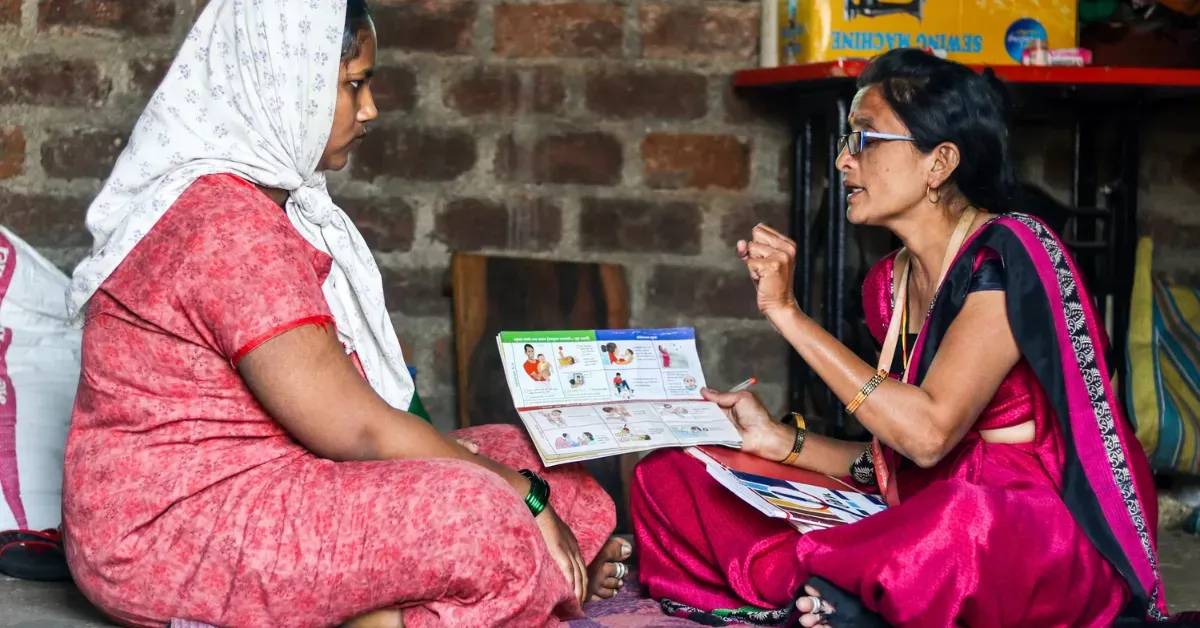
So, ASHAs are weighing in on everything: what information they need, how it should look on a screen, even the language to use. They're highlighting daily challenges like spotty internet, unreliable electricity, and the reality of holding a phone in a dimly lit hut while deciding if a woman needs to travel an hour to a hospital. It’s a bit different from a brightly lit boardroom, one suspects.
Why This Matters So Much
India has made incredible strides in maternal health, with the maternal mortality ratio dropping from 254 deaths per 100,000 live births in 2004 to a much more palatable 97 by 2018-2020. Let that satisfying number sink in.
But averages can be deceptive. Rural and tribal communities still face significant hurdles: distance from hospitals, a shortage of skilled birth attendants, and low rates of prenatal care. Simple complications like high blood pressure or anemia, easily managed if caught early, can become life-threatening without intervention. This is where ASHAs, already embedded in these communities, become absolute lifesavers.
The hope is that this AI tool, built with them, can amplify their efforts without piling on extra work. It can screen for complications, flag urgent cases, and ensure follow-ups don't fall through the cracks. It's about giving them better information, right when they need it, in a format that actually makes sense for their daily grind.
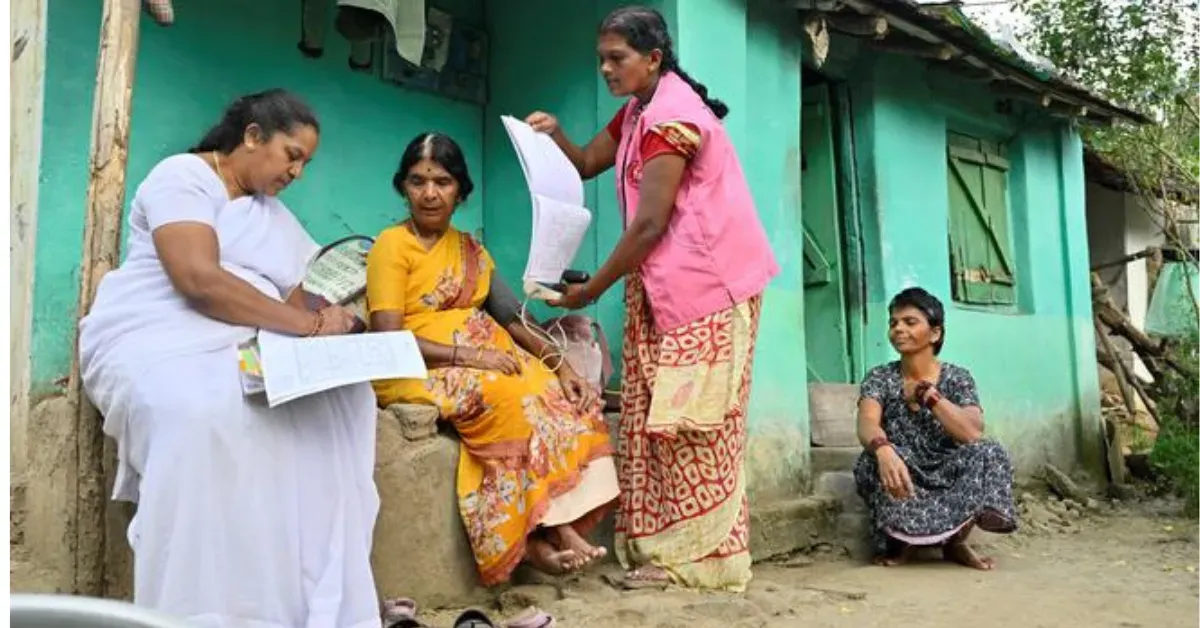
Bringing AI into this system has both immense promise and inherent risks. The promise is efficiency and better outcomes. The risk is poorly designed tools adding more burden or, worse, eroding the human trust and judgment that make ASHAs so effective. By making ASHAs the architects, not just the users, this project is betting on a future where technology truly serves the people it’s meant to help. Which, if you think about it, is both impressive and slightly terrifying that it’s not always the default.