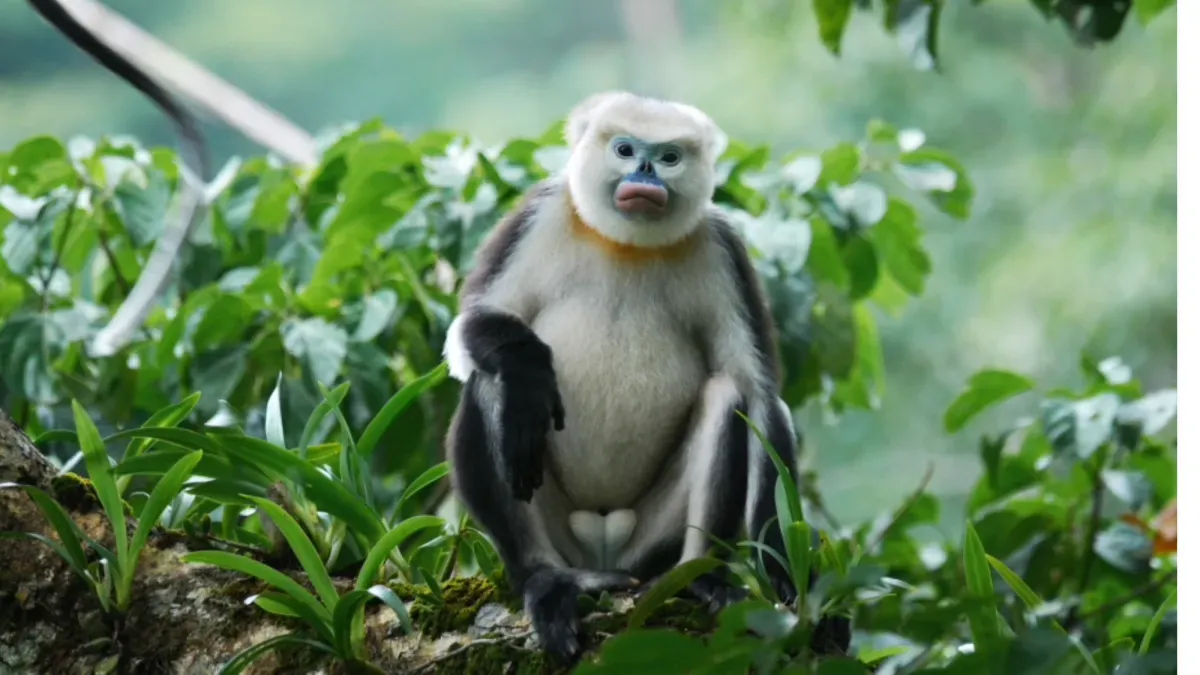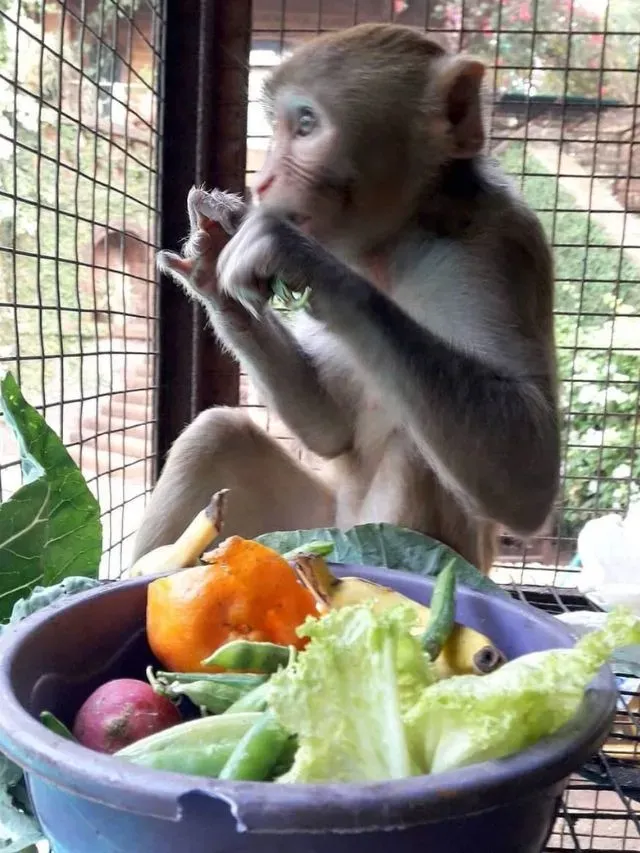
In the forests of Goa, monkeys that have lost their mothers or been injured by human conflict are learning to trust again. The Primate Trust India runs a sanctuary called Tree House where these animals recover in a setting designed to mimic their natural habitat—and they're not doing it alone.
Habitat loss and human-wildlife conflict leave primates across India vulnerable. Some arrive at Tree House orphaned, others injured or traumatized. The sanctuary's work is straightforward: provide safety, space, and the kind of consistent care that lets these animals rebuild their lives. But running a primate rescue requires hands and attention that stretch beyond a small permanent staff.
That's where volunteers come in. The sanctuary accepts people aged 17 and up who are willing to show up—literally and figuratively. The work is tactile: feeding monkeys, observing their behavior, maintaining their enclosures, learning to read what each animal needs. It's not a tourist experience dressed up as conservation. Volunteers stay in basic accommodation at Tree House itself, in rural Goa away from towns, living alongside the people who do this work every day.
We're a new kind of news feed.
Regular news is designed to drain you. We're a non-profit built to restore you. Every story we publish is scored for impact, progress, and hope.
Start Your News DetoxWhat the work actually looks like
A month is the minimum stay, and for good reason. Your first weeks are adjustment—learning the sanctuary's rhythms, understanding which monkey is which, getting comfortable with the heat and humidity. By week three or four, you've stopped being a visitor and become part of the routine. Past volunteers describe the shift as profound. They talk about bonds forming—not just with individual animals, but with the larger reality of what habitat loss means, what recovery can look like, and how much difference consistent care makes.
The practical side matters. You'll need to arrange your own travel and insurance that covers working with animals. Rabies vaccination is non-negotiable. Pack for heat and outdoor work: lightweight cotton, mosquito repellent, sturdy sandals. There's a weekly donation to cover food and accommodation.
Places fill up, so applications go through early. Email [email protected] with your dates, age, and what skills you bring. Tell them why you want to work with primates. The sanctuary is looking for people who understand this isn't a photo opportunity—it's a commitment to an animal's recovery.
For anyone who's felt distant from conservation, who wants to understand wildlife beyond documentaries, this kind of direct work shifts something. You leave with a different relationship to the forests and the animals in them.