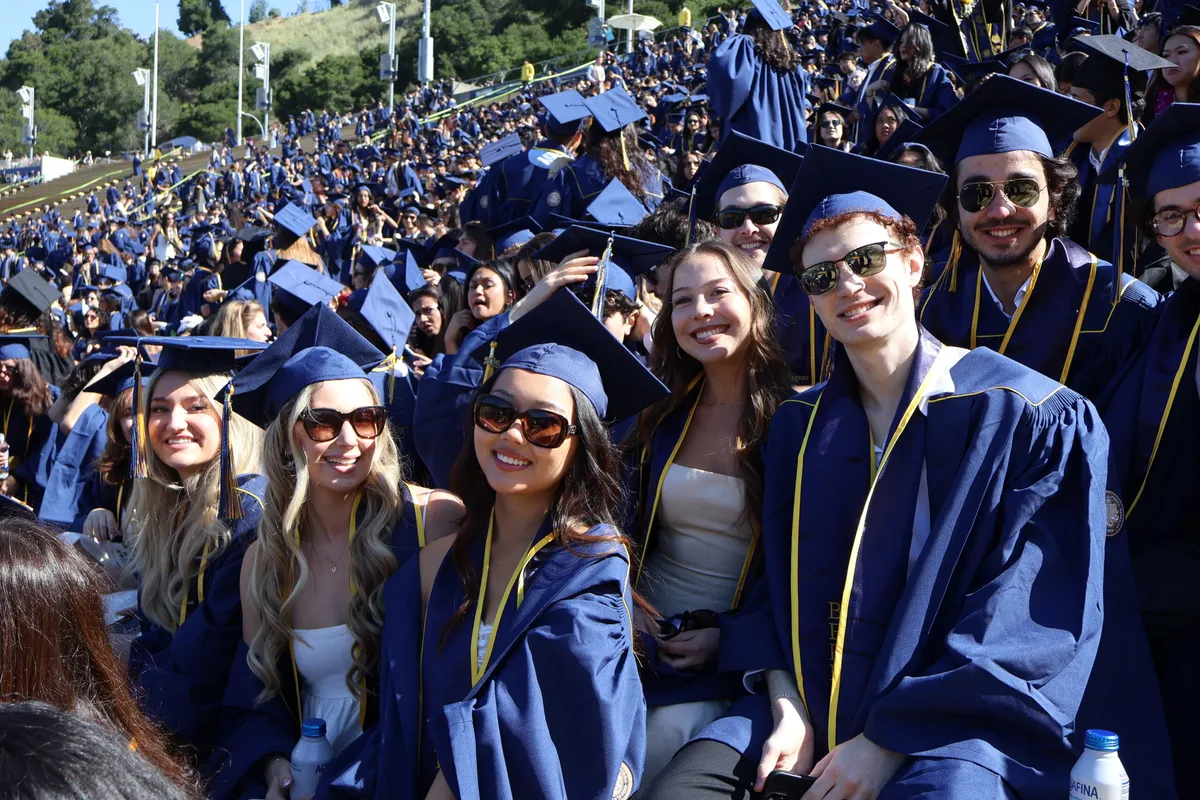
Harvard's annual Phi Beta Kappa ceremony — the academic equivalent of an Olympic medal for your mind — just kicked off Commencement week. And while the university’s top juniors and seniors were rightfully celebrated for their formidable intellect, the underlying message from the podium was clear: being smart is great, but it won’t save the world, or even make your life truly meaningful.
Speakers at the 234th literary exercises basically told these brainiacs, “Congratulations, you’re brilliant. Now, what else have you got?”
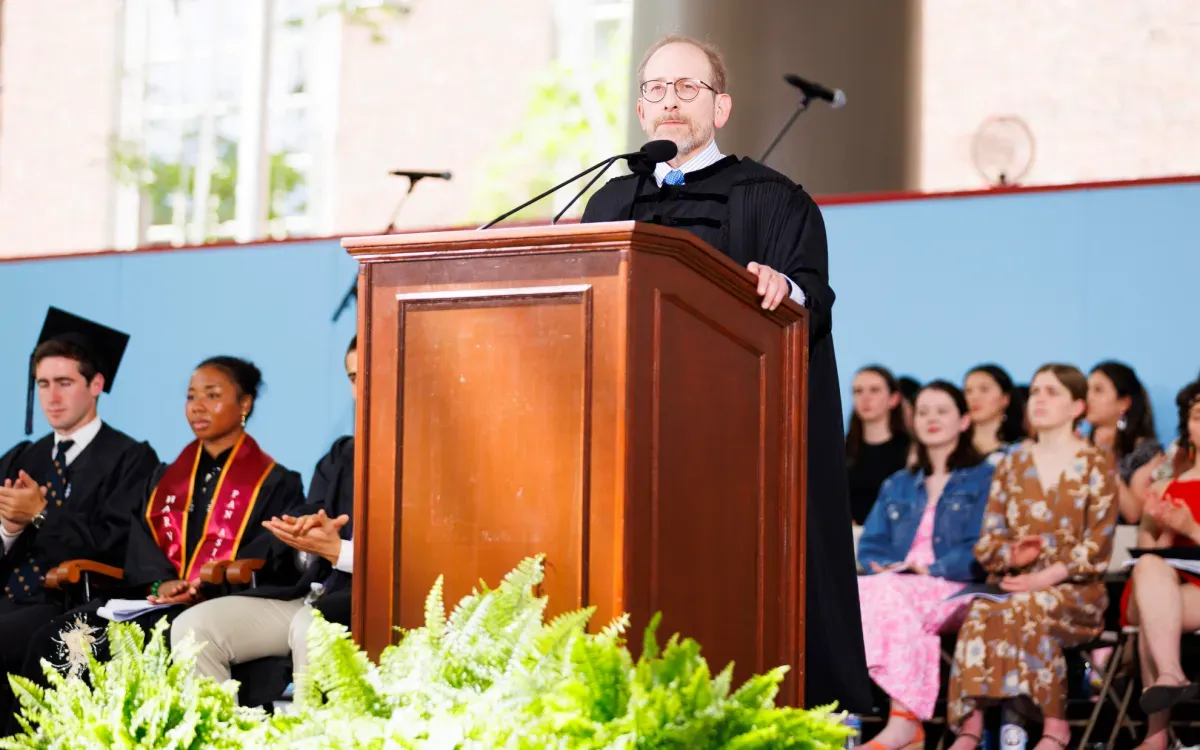
Reverend Matthew Ichihashi Potts, the Pusey Minister, channeled Ralph Waldo Emerson, stating that a scholar's fundamental job description includes bravery. Apparently, you're not just supposed to read about danger, you're supposed to “turn toward” it and then outsmart it. Which, if you think about it, sounds a lot like a superhero origin story, but with more footnotes.
We're a new kind of news feed.
Regular news is designed to drain you. We're a non-profit built to restore you. Every story we publish is scored for impact, progress, and hope.
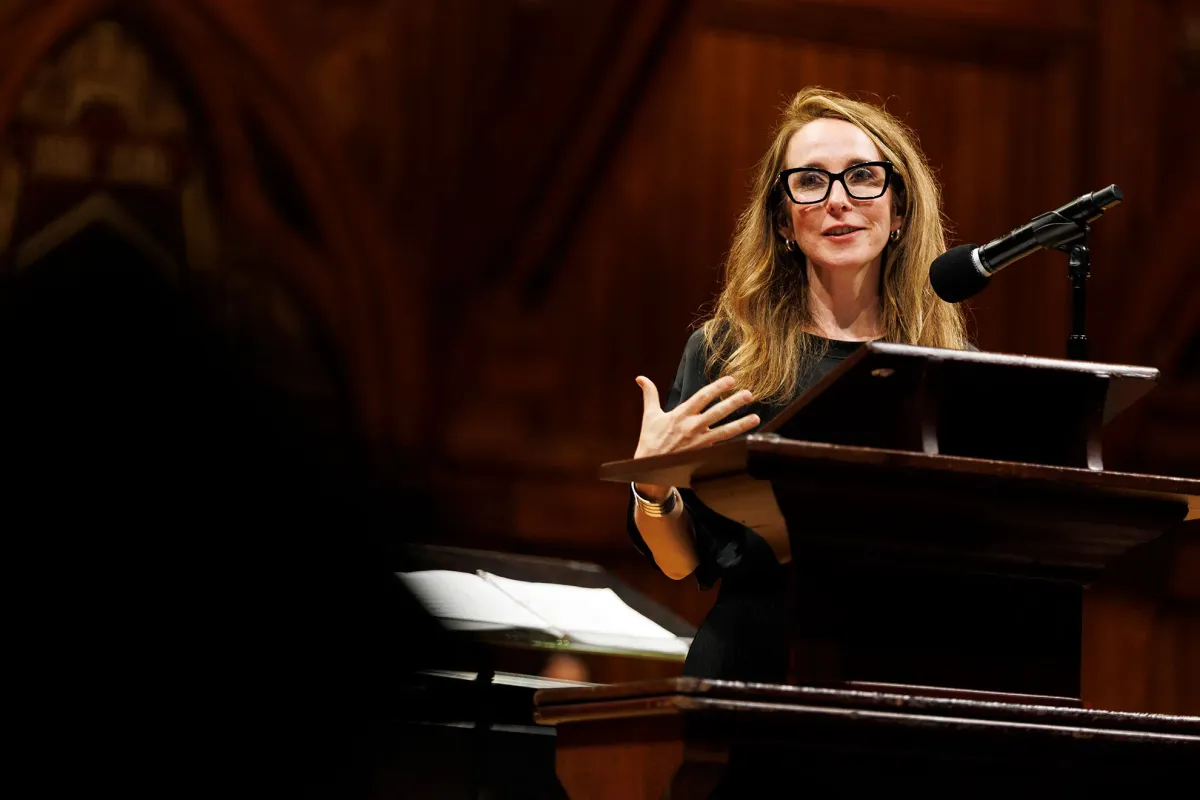
Start Your News DetoxPoet and writer Meghan O’Rourke, a Yale Phi Beta Kappa alum herself, confessed that while the accolades feel good, the real gut-check comes when you decide “what you are going to ask of yourself.” She even quoted James Baldwin, who believed preaching demands certainty, while writing demands you dive headfirst into what you don’t know, even the stuff you’d rather avoid. O'Rourke then read poems, including one reflecting on holding her young son after the 2019 Christchurch mosque killings — a stark reminder that some realities demand more than just cleverness.
The Unending Ambition Problem
President Emeritus Larry Bacow then took the stage, acknowledging the students as “some of the most ambitious people in the world.” He should know; he was in MIT's first Phi Beta Kappa class. But Bacow quickly pivoted, warning against an ambition that's a bottomless pit, treating every triumph as just a stepping stone to the next, never quite satisfied.
He also gently, but firmly, pointed out that concepts like truth, human dignity, kindness, and the rule of law are “not as secure as we once believed.” Because apparently that’s where we are now. Thanks, current political climate.
Bacow drew on Simeon ben Zoma, a second-century Talmudic sage, who asked, among other things, “Who is powerful? One who exercises self-control.” Not the one who controls others, but the one who controls themselves. A subtle, yet profound, distinction in a world often obsessed with external power grabs.
This message, Bacow stressed, is particularly vital for the Class of 2026. They started Harvard mid-pandemic and are graduating amidst war and the rise of AI. Their journey, in other words, has been a masterclass in global chaos.
Ultimately, Bacow’s parting shot was a good one: “Your election to Phi Beta Kappa tells us something about your minds. What you do next will tell us about your character.” And then, the mic drop: “The world does not need you to be merely clever. It needs you to be good.” Because sometimes, the smartest thing you can be, is decent.