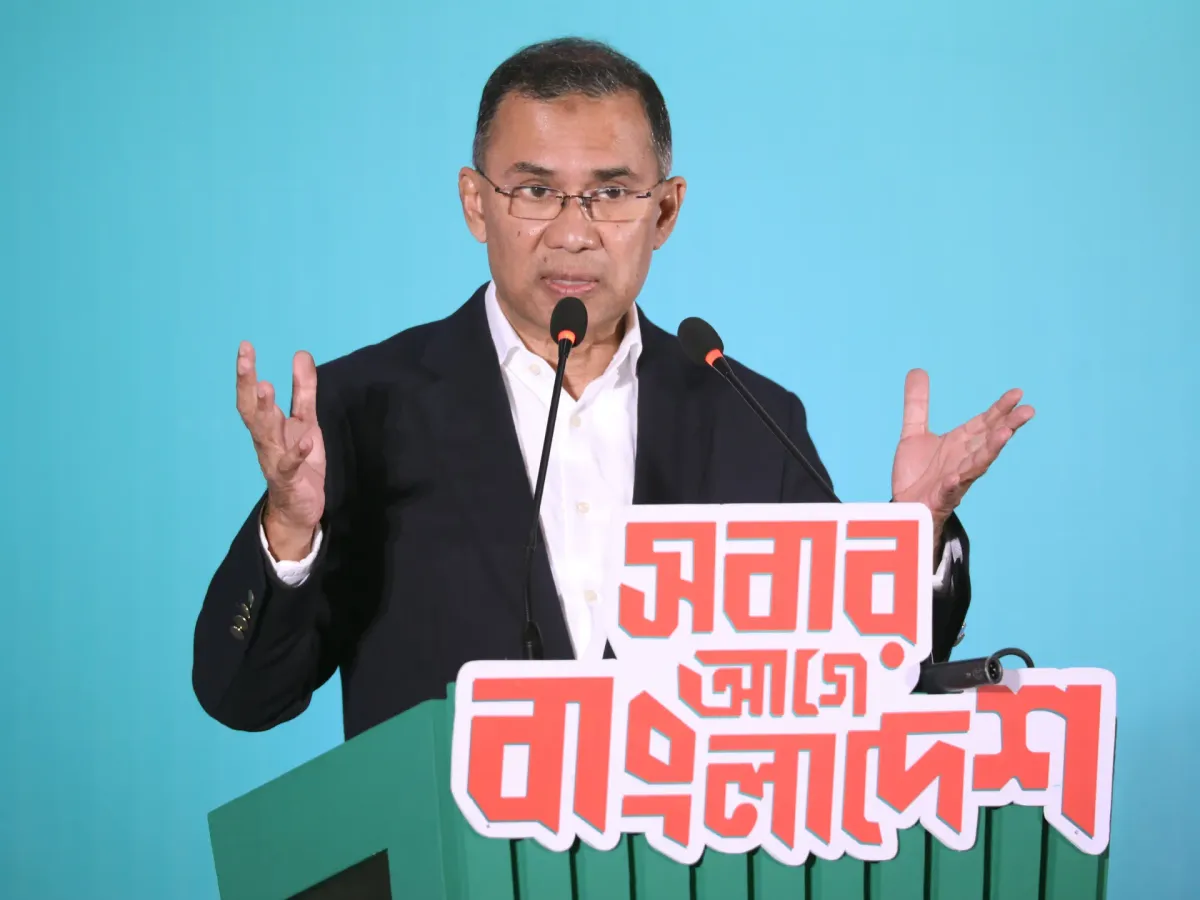
Tarique Rahman, chairman of the Bangladesh Nationalist Party, has stepped off a plane after 17 years in UK exile to lead his party into February's general election. The question hanging over his return isn't whether he can win — it's whether he represents the fresh start Bangladesh is reaching for, or just a familiar cycle wearing a new face.
Rahman carries weight. His father was a former president. His mother, Khaleda Zia, led the country three times. That pedigree mobilizes voters across the country, particularly in rural areas where family names still carry real authority. But among younger, urban voters — the ones most energized by the recent upheaval that ended Sheikh Hasina's government — that same lineage feels like a step backward. They've seen what dynasty politics produces. They're asking if there's something different on offer.
The gap between exile leadership and ground control
For nearly two decades, Rahman ran the BNP from distance, through intermediaries and video calls. That arrangement had its own logic — it kept him out of jail. But returning to active leadership has exposed something harder to manage: the difference between symbolic authority and actual organizational control. Within the party itself, discipline is fraying. In 79 of the country's 300 constituencies, 92 candidates are running against official BNP nominees. That's not just competition. That's a party struggling to speak with one voice.
We're a new kind of news feed.
Regular news is designed to drain you. We're a non-profit built to restore you. Every story we publish is scored for impact, progress, and hope.
Start Your News DetoxRahman's public messaging hasn't helped. His speeches blend genuine policy ambition with factual errors that don't hold up to scrutiny. When fact-checks circulate online — and they do — it erodes confidence among the voters he most needs to convince. Analysts watching from outside the party see it as a gap in preparation, a sign that the machinery around him isn't yet functioning at the level a national leader requires.
There's also the question of how he's built his inner circle. Party insiders and observers note a pattern of choosing loyalty over expertise. For many local BNP leaders who spent years under arrest or harassment during Hasina's government, that approach feels like a betrayal. They sacrificed. They expected a seat at the table. Instead, they're watching younger, less-tested figures get closer to power because they backed Rahman early. That resentment could quietly cost him, especially among voters under 35 who are already skeptical of dynasty politics.
What comes next
The election on February 12 will tell us something important, but not what most headlines suggest. It won't just be about who wins seats. It will reveal whether Rahman can convert his family name and his party's organizational machinery into a mandate for genuine change — or whether Bangladesh is cycling back to the same patterns, just with different faces in the photos.