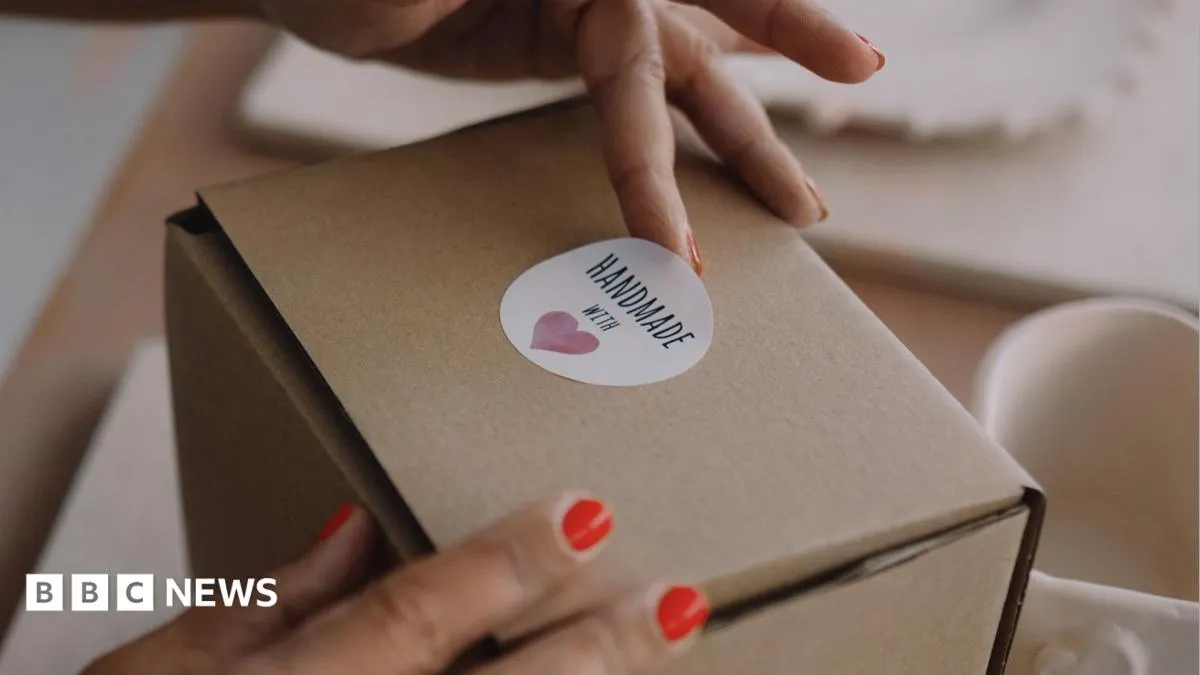
Paper and cardboard packaging are often recyclable. However, labels, seals, or coatings can make them difficult to recycle. This is because non-recyclable adhesives, known as "stickies," can damage recycling machinery. They can also make recycled paper lower quality or even cause a batch to be rejected.
Paper is one of Europe's most recycled materials. About 74% of paper and board used in 2024 was recycled. New European rules aim to improve this. By 2030, all packaging must be at least 70% recyclable. This will rise to 80% by 2038. Germany also has stricter reporting and licensing fees for packaging.
New Ways to Seal Paper
One solution to the "stickies" problem is to use water-soluble adhesives. But what if no adhesive was needed at all? Three German companies — Fraunhofer, Hermann Ultraschall, and Henkel — are working on this. Germany is known for its "Packaging Valley," a hub for the packaging industry. These companies want to meet stricter recycling rules and avoid rising fines.
We're a new kind of news feed.
Regular news is designed to drain you. We're a non-profit built to restore you. Every story we publish is scored for impact, progress, and hope.
Start Your News DetoxFraunhofer started the PAPURE project in 2023. They are developing a laser-based heating process to seal paper packaging without glue. The project ends in September, and Fraunhofer hopes to find a partner to bring this technology to market. Researcher Fabian Kayatz believes they could have a solution out in two years.
In 2023, Hermann Ultraschall bought rights to an ultrasonic paper sealing technology. This process is similar to welding. Michael Baumann, head of business development packaging, says they are talking with major companies to bring this to mass production.
Challenges and Solutions
These new sealing methods come with challenges. Manufacturers would need to update or replace existing machinery, which can be expensive. Hermann Ultraschall's Baumann notes that current machines are designed for glue. Fraunhofer's Volker Franke is confident that existing machines can be modified with their laser module.
Production rates are also slower than with adhesive-based packaging. However, Franke says PAPURE's fully automated production can be made faster. Another issue is that these technologies don't work on all types of paper. Hermann Ultraschall is working with paper manufacturers to create materials that are easier to bond.
PAPURE's laser sealing also doesn't work for food-grade packaging yet. Food packaging often needs a coating, which is why plastic is often used.
Henkel has found a solution for this. In February, they launched the first cold seal solution for barrier-coated paper. This solution is recyclable and safe for food. Barrier paper is hard to bond, and heat can damage sensitive foods like ice cream. The cold seal uses pressure to bond the paper.
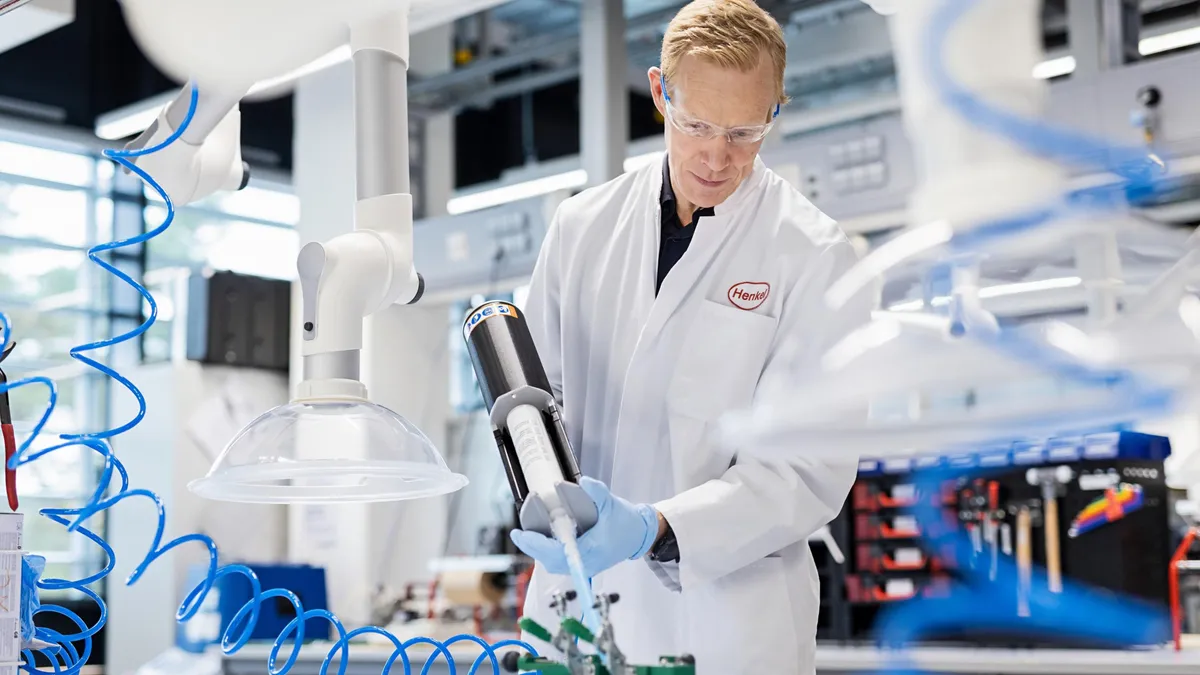
Henkel's cold seal is already used in snack and confectionery products. They also developed a heat seal solution for paper that is fully recyclable. This allowed Italian brand Regina to switch from plastic to paper for hygiene products.
Dr. Arianna Savini, a market strategy manager at Henkel, says paper is a clear solution for sustainable packaging. She notes that the new European regulations are driving industry changes.
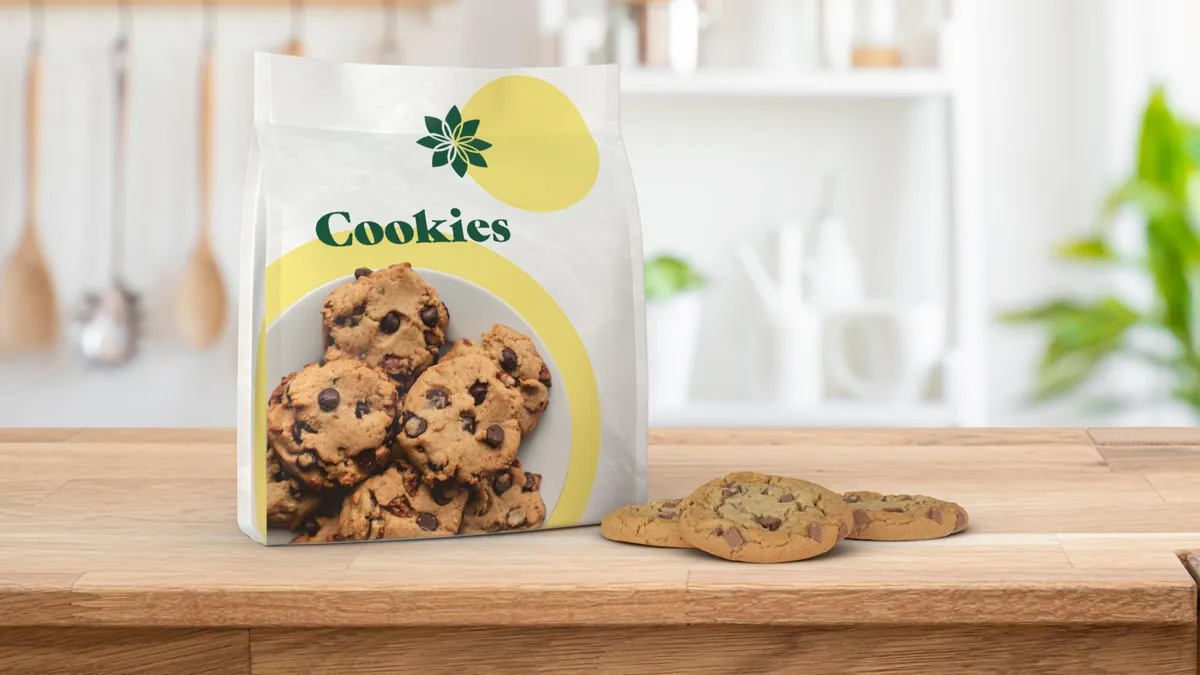
Jamie Stone, a packaging expert at PA Consulting, explains the complexities. For example, a yogurt pot needs a thin barrier layer and a secure lid. If the barrier doesn't stick well, it can create a messy product.
Ambarish Mitra, co-founder of Greyparrot, points out a bigger problem. Much paper doesn't get recycled because it's dirty or mixed with other trash before it reaches a recycling plant. Still, Stone agrees that new paper sealing technologies are "a smart place to start." He believes these technologies will bring real sustainability benefits as they improve and handle more complex packaging.