
When Delhi University opened in 1922, it didn't have a campus. It had a rented room connected to the Ritz Cinema at Kashmere Gate, one of the city's busiest intersections, and an idea that couldn't wait.
There were no sprawling lawns. No red-and-cream buildings. Just a university trying to begin with the space it could actually afford, in the middle of the city where people already were.
Kashmere Gate was deliberately chosen—an active, connected public area where the university could tap into existing infrastructure and foot traffic. The early years were small but purposeful. As student numbers crept up, DU didn't sit waiting for the perfect campus to materialize. Classes happened anyway, squeezed into borrowed rooms, shaped by the rhythm of a busy Delhi neighborhood.
We're a new kind of news feed.
Regular news is designed to drain you. We're a non-profit built to restore you. Every story we publish is scored for impact, progress, and hope.
Start Your News DetoxFrom Temporary to Rooted
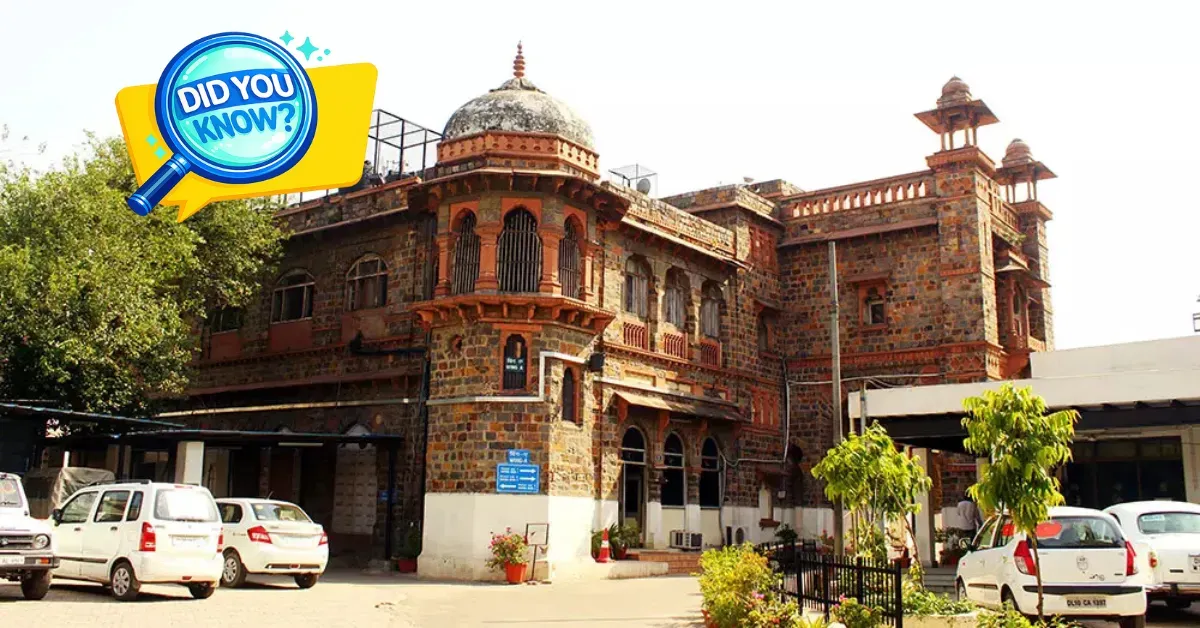
The university moved through several temporary addresses as it grew, a pattern many Indian institutions still follow: the work begins first, infrastructure catches up later. By the early 1930s, something shifted. In 1933, the Viceregal Lodge estate near the Ridge was handed over to DU, and that transfer became the anchor point for what would eventually become the campus most people picture today.
The Viceregal Lodge estate was transferred to Delhi University in 1933. (Pic source: So City)
But the Ritz Cinema detail lingers. It matters because it's honest. It shows what those early years actually looked like—a university making do, improvising, refusing to let the absence of perfect conditions stop the work from starting.
Why This Still Matters
This isn't just a DU origin story. Across Indian campuses today, some of the most interesting energy still begins without perfect conditions. Students set up waste segregation systems in hostels using materials they scrounged. They start peer support circles in borrowed common rooms. They build climate projects and community initiatives using whatever time and space they can find. The pattern hasn't changed much since 1922—it's just the problems that are different.
DU's earliest years remind us that a campus has never really been about buildings. It's about people deciding to try something, then doing it with what's available. That's where real change tends to start: not with grand infrastructure, but with someone saying "let's do this" and taking the first small step.