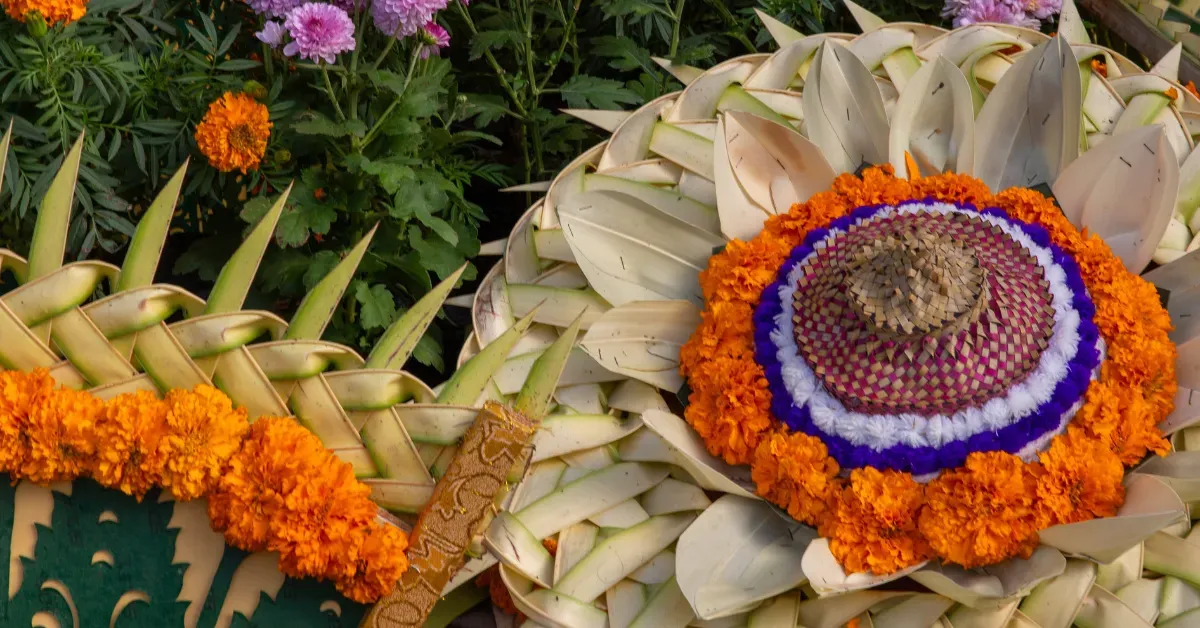
Walk into a home during Makar Sankranti and you'll see kites, sweets, and colour everywhere. But increasingly, that colour comes from flower petals instead of plastic, from clay diyas instead of synthetic lights, from rice flour rangoli instead of chemical powders.
It's a quiet shift — not mandated, just chosen. People are discovering that the festival's traditional materials were sustainable all along. Fresh flowers, terracotta pots, natural dyes, recycled paper — these aren't new ideas. They're the original ones, and they're making a comeback because they work.
Why this matters
Plastic decorations end up in landfills after a single festival. Synthetic colours wash into water systems. Non-biodegradable materials accumulate year after year. But when you choose natural materials, something different happens: the decoration returns to the earth. A flower garland composts. A clay diya lasts for decades. Rice flour rangoli feeds insects and birds.
We're a new kind of news feed.
Regular news is designed to drain you. We're a non-profit built to restore you. Every story we publish is scored for impact, progress, and hope.
Start Your News DetoxThere's also something quieter at play. Handmade decor — whether it's folded paper lanterns or a rangoli sketched with crushed flower petals — connects you to the festival itself. It takes time. It involves your family. It means something.
How people are doing it
In homes across India, the approach is practical. Fresh flowers and leaves from local markets become garlands strung along doorways and windows. Jute and cotton fabric replace plastic bunting. Old glass jars, cleaned and decorated, become lanterns. Leftover fabrics get sewn into buntings or cushion covers.
Rangoli — the intricate floor art that defines the festival — is becoming fully natural. Instead of synthetic powders, people fill designs with rice flour, pulses, or crushed flower petals. Some add seeds and grains along the outlines for texture, which also symbolises the harvest theme. Around the rangoli, small clay diyas provide light without needing electricity.
Gifts themselves become decor. Sugarcane sticks, sesame seeds, jaggery, and dried fruits arranged in baskets add colour and texture while promoting mindful gifting. Wrapping happens in cloth or handmade paper bags instead of plastic, with twine instead of tape.
Even the DIY projects serve a purpose. Recycled paper folds into kites and lanterns using simple origami. Cardboard boxes transform into decorative trays. Leftover paints colour the crafts. Children participate in making decor, which teaches them about waste reduction while making the festival feel more personal.
What's shifting
This isn't universal yet — many homes still rely on plastic and synthetic materials. But the momentum is there. People who already care about their environmental footprint are extending that thinking into how they celebrate. And once you see a home decorated with flower garlands and natural light, it's hard to unsee how much more beautiful it looks than plastic alternatives.
The next wave will likely be normalising this. As more families choose sustainable decor, it becomes the standard rather than the exception. Gift-givers will expect cloth wrapping. Hosts will plan rangoli with natural powders. Markets will stock more flowers and clay items, making sustainable choices the easier choice.
Small, conscious changes during a single festival don't solve environmental problems. But they prove something: tradition and sustainability aren't in conflict. Sometimes they're the same thing.