For years, when we talked about birds migrating, our minds went straight to landlubbers winging it across continents. Meanwhile, the humble seabird was out there, basically running a marathon across the entire ocean, and nobody had bothered to give them a proper map.
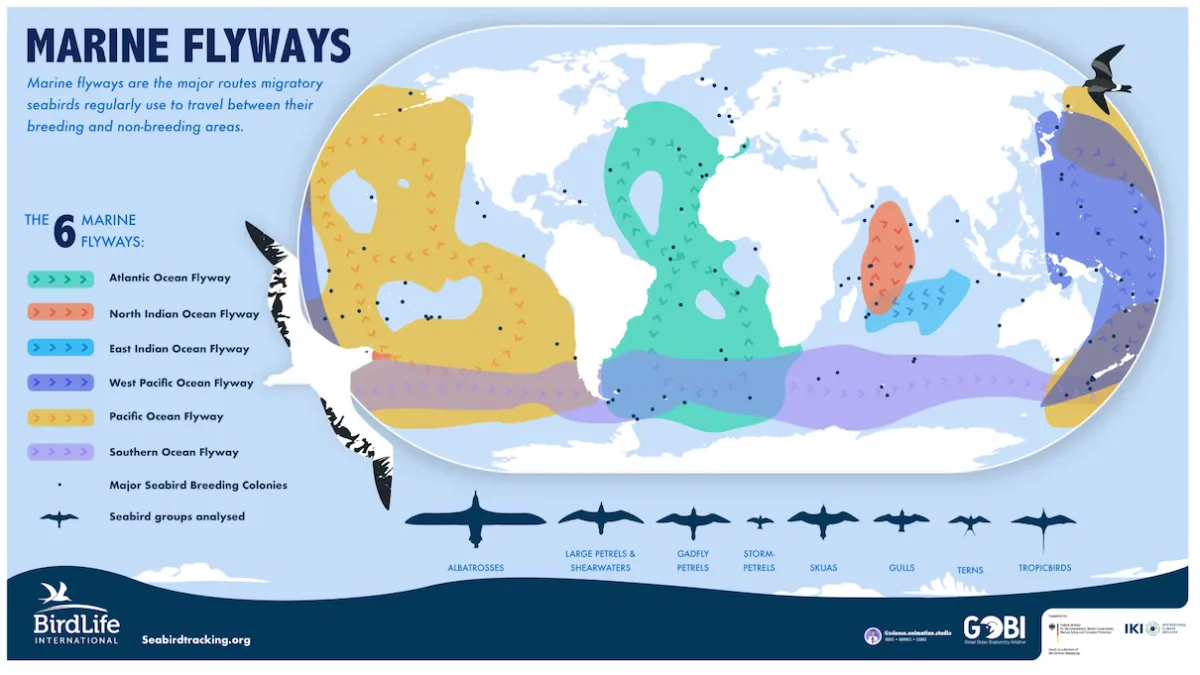
Well, good news: governments and conservation groups just met in Brazil and officially recognized “marine flyways.” Think of them as the seabirds' very own superhighways across the high seas. Scientists have known these routes existed, but they’ve never been globally mapped. Until now.
This isn't just a win for ornithologists who enjoy drawing lines on a globe. It’s a massive step for ocean conservation, especially when you consider that seabirds are basically the unsung heroes of the marine ecosystem.
We're a new kind of news feed.
Regular news is designed to drain you. We're a non-profit built to restore you. Every story we publish is scored for impact, progress, and hope.
Start Your News DetoxThe Open Ocean's Grand Central Station
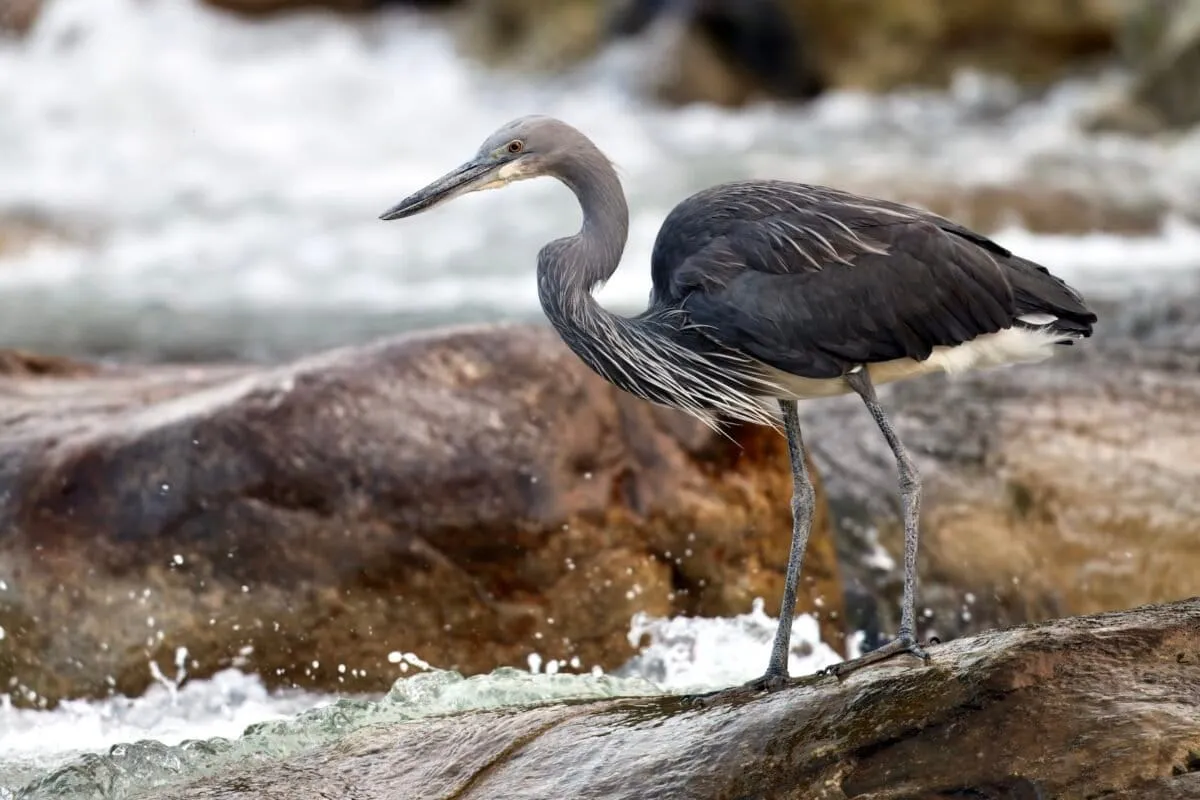
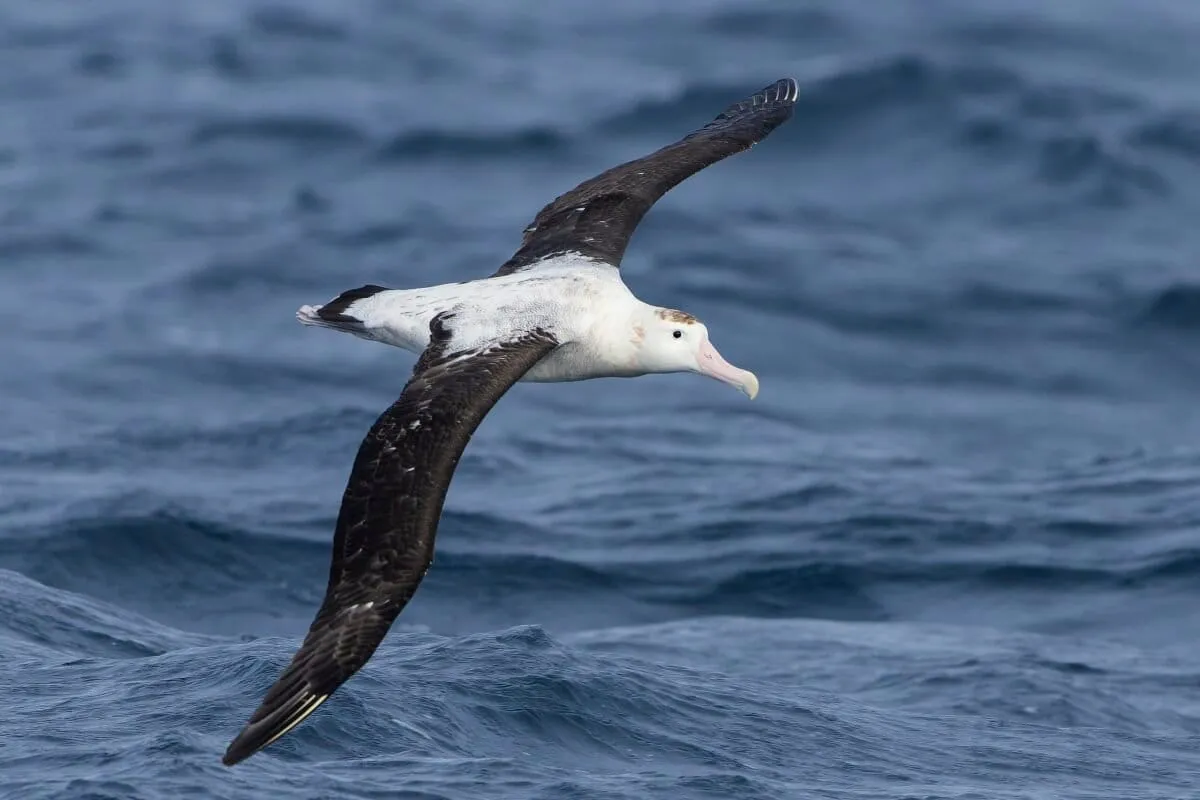
BirdLife International's new research identified six major marine flyways. These aren't just theoretical paths; they're bustling avian arteries used by over 150 migratory seabird species, crisscrossing the waters of 54 different countries. We're talking everything from the majestic albatross, with its nearly 12-foot wingspan, to the surprisingly durable storm petrel.
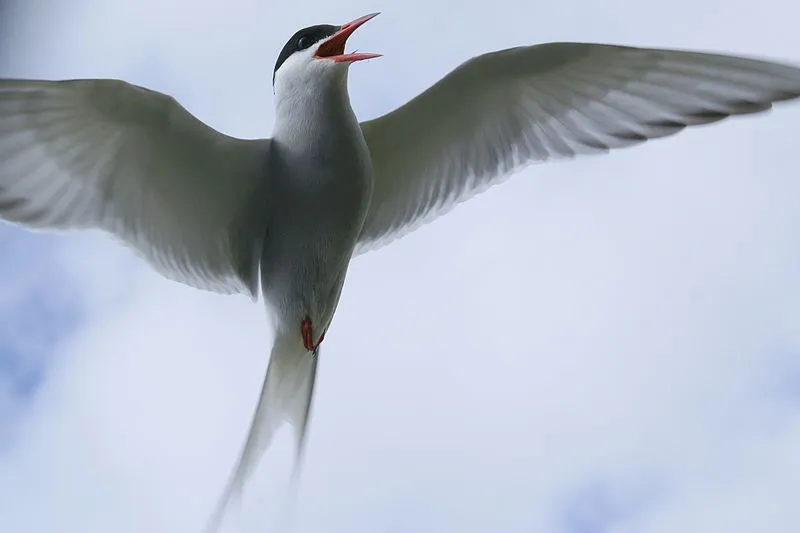
Consider the Arctic tern: this avian overachiever clocks nearly 100,000 kilometers (that’s over 62,000 miles) every single year. A puffin tagged off the coast of Wales in June might be grabbing a seafood dinner off Canada's shores by winter. Which, if you think about it, is both impressive and slightly terrifying for anyone who hates long-haul flights.
Despite their incredible navigation skills and sheer endurance, seabirds are in a bit of a pickle. A staggering 42% of these species are globally endangered, and more than half are seeing their numbers decline. The ocean, their home, is changing faster than a TikTok trend, making these new maps less of a novelty and more of an urgent necessity. Because you can't protect what you can't track, and these birds have places to be.