

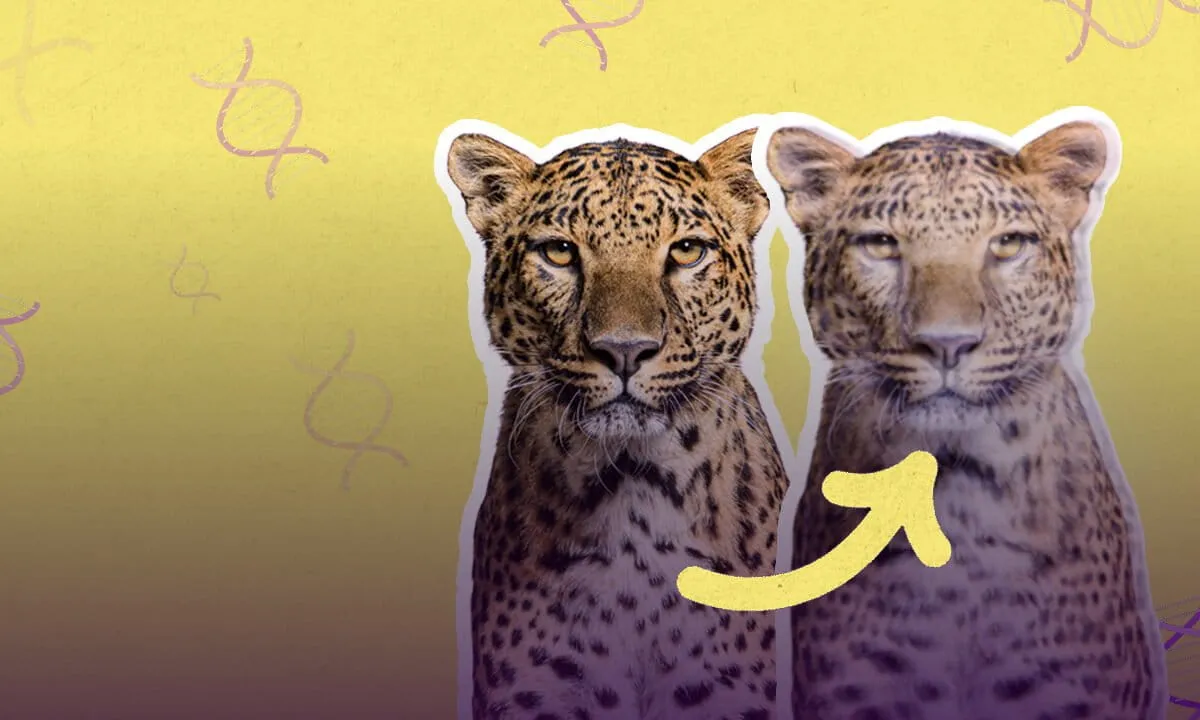
Brazilian scientists have a plan to save jaguars from extinction, and it involves something straight out of a sci-fi movie: cloning. Because apparently, that's where we are now.
Down in the Federal University of Mato Grosso do Sul, the Reprocon research group is busy collecting genetic material from these magnificent, spotted predators. Their goal? To clone jaguars. The idea is to bolster their dwindling numbers before they vanish entirely.

Now, jaguars aren't just pretty faces. They're apex predators, the kind that keep entire ecosystems from going completely sideways by keeping other animal populations in check. But thanks to habitat loss, their numbers have plummeted. We're talking fewer than 250 individuals left in some regions of Brazil, like the Caatinga and Atlantic Forest. Let that satisfyingly terrifying number sink in.
We're a new kind of news feed.
Regular news is designed to drain you. We're a non-profit built to restore you. Every story we publish is scored for impact, progress, and hope.
Start Your News DetoxWhen populations get this small and isolated, things get messy. Jaguars start breeding with relatives, which sounds a bit like a medieval royal family. This inbreeding tanks their genetic diversity, leading to all sorts of problems: birth defects, miscarriages, and a general inability to shrug off diseases or the ever-charming effects of climate change.
Enter assisted reproductive technologies, with cloning leading the charge. It's a method that raises more than a few eyebrows, especially when you hear whispers about the dire wolf supposedly making a comeback in 2025. Which, if you think about it, is both impressive and slightly terrifying.
So, the big question looms: Is cloning truly the silver bullet that saves a species? The scientists certainly hope it offers a lifeline for these critical animals. Because if it works, maybe we can finally stop saying, "Here kitty, kitty," and actually mean it for more than a few hundred of them.





