A new vaccine program will offer protection against meningitis B to one million young people in England, Wales, and Scotland. This one-off initiative comes after concerns about the UK's largest meningitis B outbreak in Kent this year. There were also "unusual" clusters of cases in Weymouth, Dorset, and Reading, Berkshire.
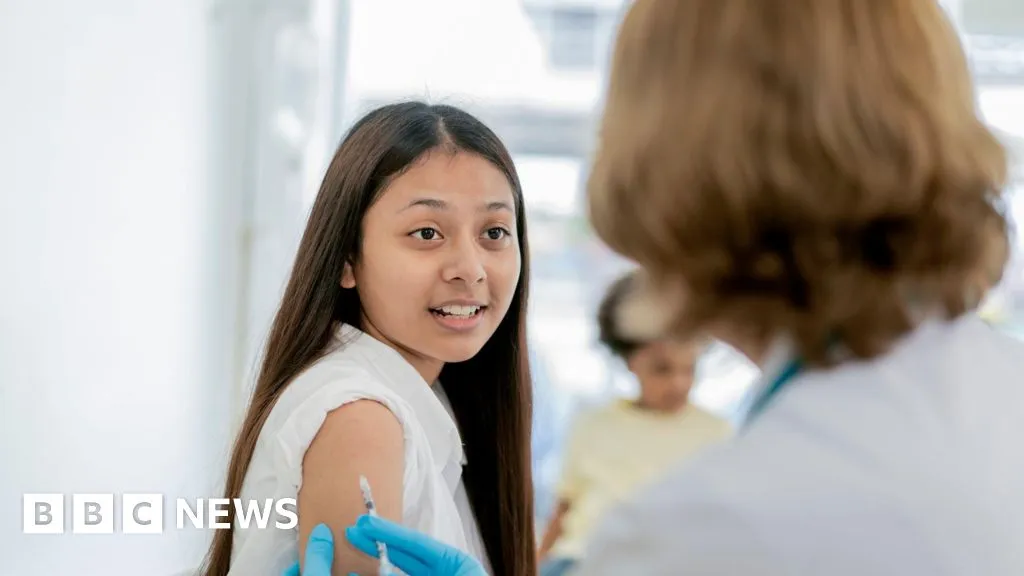
The two-dose vaccine will be available to students in their final year of secondary school. It will also be offered to those aged 18 to 25 who are starting university or residential further education this autumn. Officials say this program will protect those at the "highest immediate risk" from the life-threatening illness.
The Impact of Meningitis B
Aaron Mills, 18, died from meningitis in January 2026. He was a student at John Moores University in Liverpool. Aaron had mild flu-like symptoms and a headache. His family found him fitting and unresponsive shortly after he went back to bed.
We're a new kind of news feed.
Regular news is designed to drain you. We're a non-profit built to restore you. Every story we publish is scored for impact, progress, and hope.
Start Your News DetoxAaron's father was confused because he thought Aaron had been vaccinated. The family later learned there are different strains of meningitis. A separate vaccine, MenACWY, covers other strains and is routinely offered to 14-year-olds.
Aaron's mother described the impact on family and friends as "horrific."
Meningitis B bacteria spread through close contact. This includes kissing, sharing vapes and drinks, or living in close quarters. UK health officials note that 18-year-olds and new university students face a higher risk. This is due to increased social mixing and shared accommodation.
Who is Eligible and How to Get Vaccinated
The one-off MenB vaccination program will be available to:
- Most pupils finishing year 13 or S6 in summer 2026, regardless of their education plans. Most children from this age group not currently in school will also be eligible.
- Young people aged 18-25 starting university or residential further education for the first time in autumn 2026.
Two doses are needed for full protection, given at least 28 days apart.
In England, vaccines will be offered in July and August at community pharmacies. Year 13 students will be contacted directly by the NHS. Under-25s starting university can book appointments directly with pharmacies. International students under 25 should get their first dose before arriving, if possible.
In Wales, the program runs from July to December. Those aged 17-18 will get letters from health boards in early July. Those aged 18-25 entering higher education should contact their health board later in July.
Scotland's program also starts in July. Northern Ireland plans a similar program soon.
Why the Program Now?
James Murray, Secretary of State for Health and Social Care in England, said the Kent outbreak and recent clusters suggest a possible change in how MenB affects people. He noted that while evidence is being assessed, action is being taken to protect young people at highest immediate risk.
Professor Shamez Ladhani of the UK Health Security Agency (UKHSA) mentioned "three rather unusual clusters of MenB disease." He also expressed concerns about potentially seeing more meningococcal disease activity in the coming years.
In March, 21 cases of meningitis B were confirmed in Kent, leading to two deaths. This outbreak was unusual due to the number of infections in a short time. There were also three cases in Weymouth in April and four cases, including one death, in Reading students.
Professor Ladhani explained that the number of cases this year is similar to previous years. However, these cases are appearing in young adults, prompting immediate action. He suggested one reason for the Kent outbreak could be the natural cycle of meningitis B. The UK has had a "honeymoon period" of 25 years with low activity, meaning less exposure and potentially more susceptible populations now.
The Bexsero vaccine, used in this program, is routinely given to babies and infants. Evidence shows it provides protection for at least six years. The UK infant vaccination program has led to about a 75% reduction in MenB disease. Vaccine experts are now considering expanding the routine vaccine program.
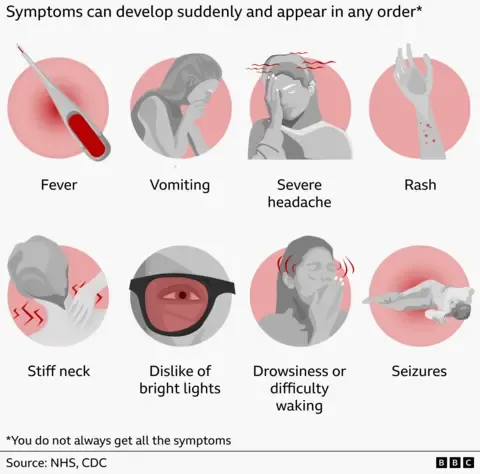
Dr. Tom Nutt of Meningitis Now welcomed the announcement. He said it represents progress in protecting young lives. He also stressed that while vaccination is the best defense, people should still know the signs and symptoms of meningitis and seek urgent medical help if concerned.
What are the symptoms?