Imagine being an artist so committed to the mystique that you ghost the art world for a decade. That's Michael E. Smith, the sculptor-poet who's finally breaking his silence. Known for transforming the mundane into the profound, Smith rarely grants an audience, making his recent sit-down a rare glimpse into the mind of a man who sees poetry in a sagging light fixture.
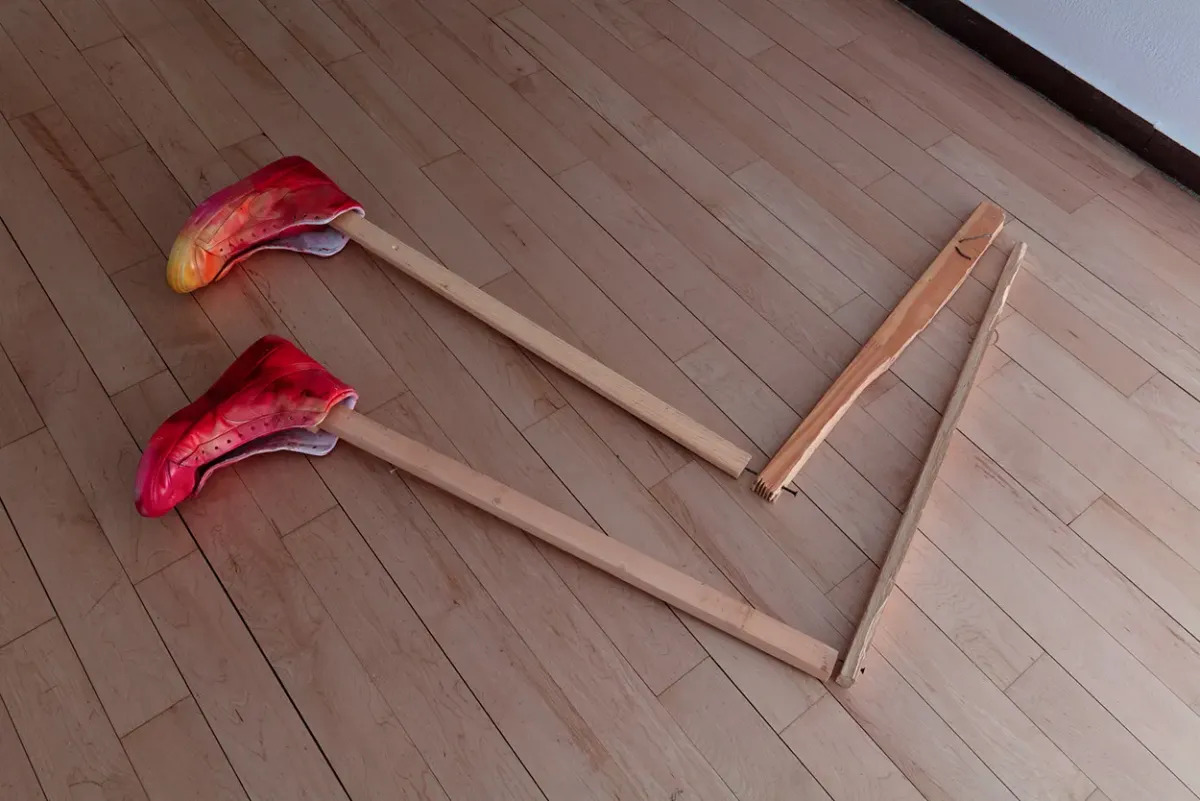
Smith's work is less about what you see and more about what you feel when you see it. He takes everyday objects — the kind you'd trip over in a garage sale — and arranges them with a mischievous wink. Think of it as visual haiku, where a pair of yellow paper tubes on the floor first look like legs, then definitely not legs, until a few more leg-like objects later, they feel eerily real. It's a slow burn of perception, blurring the line between a thing and an idea.
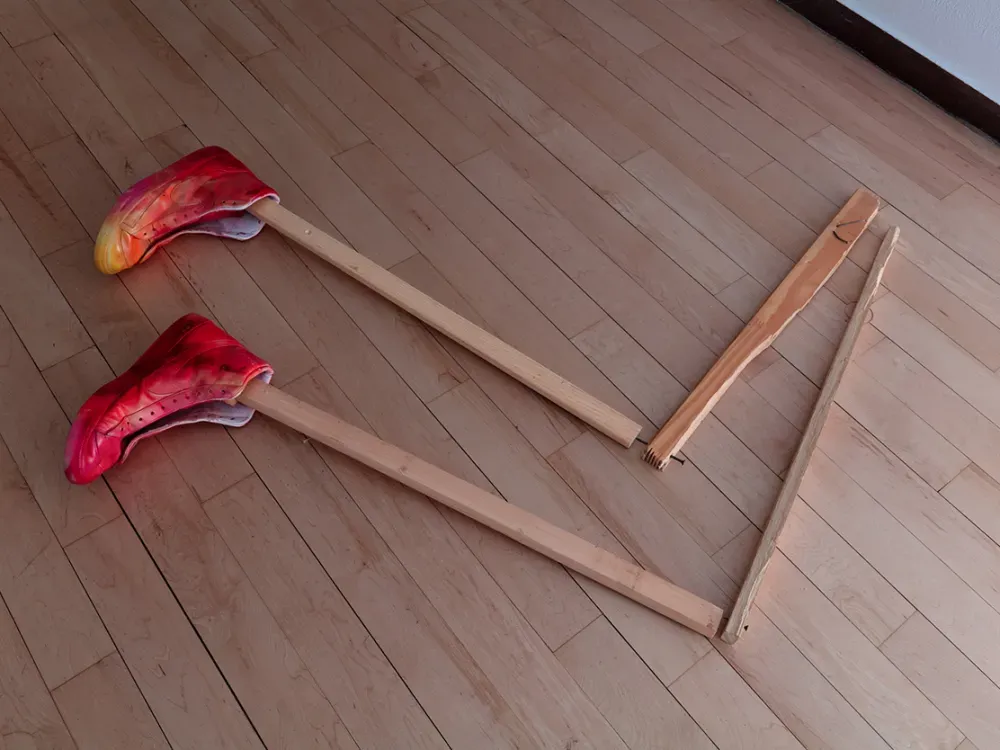
He'll unplug gallery lights, letting them droop like tired old men, making the very concept of "light" feel heavy. And because we're all trained to ignore the fixtures, visitors sometimes just walk right into the dangling cords. Which, if you think about it, is both impressive and slightly terrifying.
We're a new kind of news feed.
Regular news is designed to drain you. We're a non-profit built to restore you. Every story we publish is scored for impact, progress, and hope.
Start Your News DetoxThe Art of the Unsaid
For ten years, Smith dodged interviews, choosing to let his art do the talking (or, more accurately, the quiet hinting). So why the sudden chat? He says it was for his Mass MoCA show, wanting to give curator Emma Poveda a good experience. He usually avoids collaboration, but for Poveda, he opened up his entire world, studio and all. Apparently, even reclusive artists have their soft spots.
Smith's work often includes lists, sometimes hidden within stacked canvases. He calls list-making a "neurosis," but it's also how he distills meaning, paring down "stork beak" to just "bird" — forcing you to fill in the blanks. He lives "in music," especially pop, even building shows around songs that capture his mood. The last piece in his Mass MoCA show, More Bounce (2026), is a nod to the Zapp song "More Bounce to the Ounce," which he sees as an anthem for resilience.
Objects Choose Him (and Sometimes His Family Helps)
Smith claims objects "choose him," which sounds wonderfully whimsical until you realize he's often scrounging for free stuff on Craigslist. When he was stumped for his 2019 Venice Biennale exhibition, his blacksmith father-in-law gifted his son an anvil. Suddenly, anvils from across Europe became the show's centerpiece. It's a blend of spiritual detection and pure pragmatism.
His goal is to create a "nexus" where different forms of consciousness fire at once, making you see things differently, if only for a moment. He wants to immerse viewers, contrasting it with the "stale" way people often experience art exhibitions. No stale experiences here, just the occasional existential crisis brought on by a yellow paper tube.
He even ropes in his family. His daughter has performed in his events, and his son's "drunken style" sketches have been displayed. It's a family affair, where everyone's unique skills, from a painter's eye to a blacksmith's gift, contribute to the grand, quiet conversation of his art. He views being an artist as "the best job I've ever had," not because it's easy, but because it's a fulfilling way to live without the oppression of a traditional "job." Because apparently, that's where we are now.