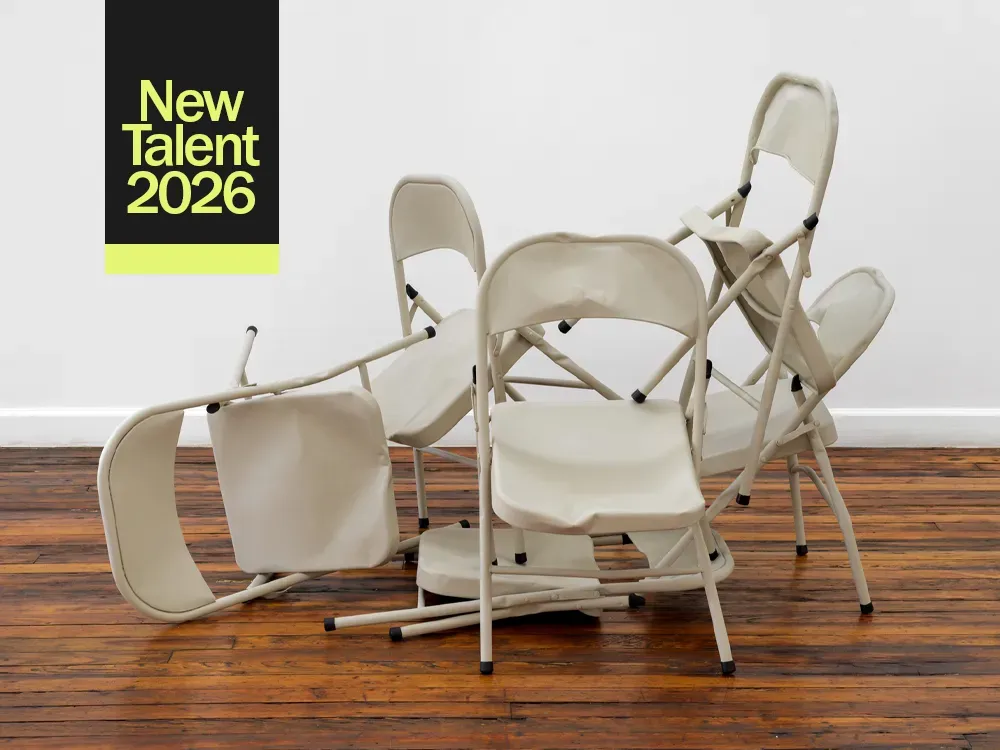
Step into Mitchell Charbonneau's studio in Ridgewood, Queens, and you might think he's just really bad at tidying up. Crumpled Monster Energy cans, a beat-up folding chair, a burnt-out fluorescent light — it all looks like the kind of detritus you'd swerve to avoid on a city sidewalk.
Except, here's the kicker: it's all art. These aren't just everyday objects; they're hyperrealist sculptures, meticulously crafted from polyurethane, fiberglass, and bronze, then painted and treated to achieve an uncanny, almost unnerving level of authenticity. Your brain screams "trash," but your eyes start to wonder.
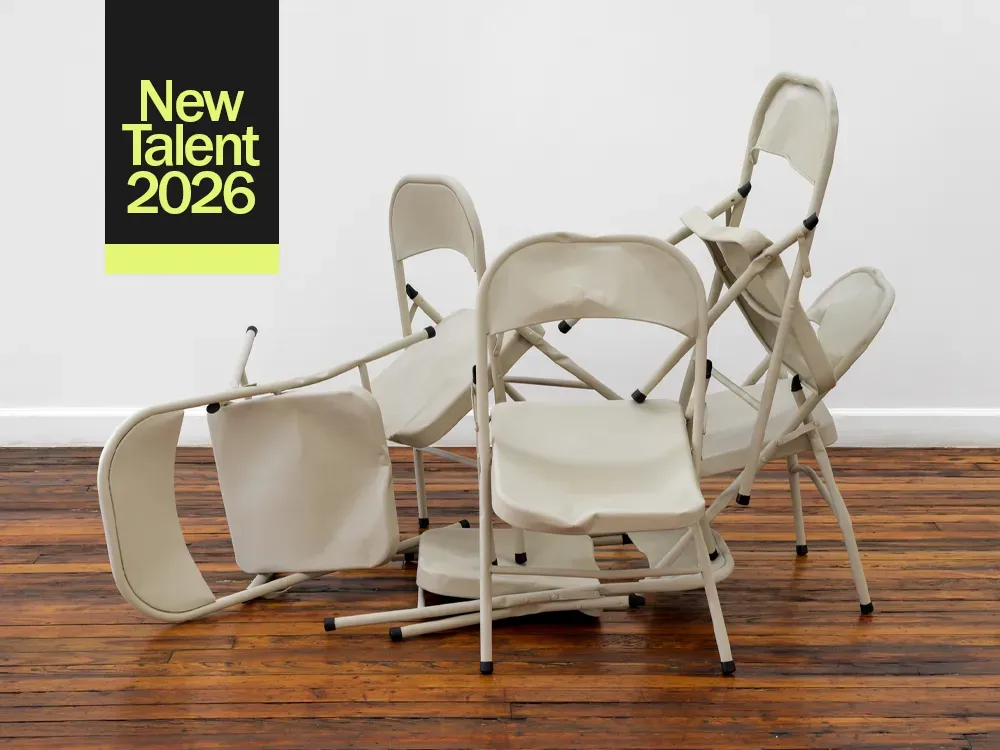
Charbonneau, it turns out, is still capturing the world, just with different tools. He likens his process to photography, where reality passes "through my whole body, my hands, and these different materials to reproduce those things." Which, if you think about it, is both impressive and slightly terrifying, especially if you've ever tried to perfectly replicate a dented soda can.
We're a new kind of news feed.
Regular news is designed to drain you. We're a non-profit built to restore you. Every story we publish is scored for impact, progress, and hope.
Start Your News DetoxHe even plants subtle clues to mess with you. His air freshener sculptures, for instance, are conspicuously scentless. Those six-foot fluorescent lights? Standard ones are four feet. They're just off enough to make you do a double-take, hinting at their non-functional nature.
The Psychology of Scraps
There's a quiet melancholy to these pieces. The warped chairs and clusters of empty cans aren't just random objects; they're stand-ins for the people who might have used them, hinting at energetic gatherings or moments of quiet despair. The "Unleash the Beast!" slogan on a Monster can takes on a whole new, slightly unsettling psychological depth when it's rendered in bronze.
Charbonneau also dives into the hidden corners of our psyche. His Foundations series features metal reliefs of concrete cellar walls, treating the basement as a "crepuscular subconscious" — a place where poker games, underage drinking, and other secret activities unfold.
His latest exhibition features hand-painted glass and bronze tubes, leaning against each other like exhausted fluorescent lights. These lightless sculptures make you ponder endings, obsolescence, and the quiet fade-out of things that are no longer needed, much like fluorescent lights themselves, now being steadily replaced by their energy-efficient LED cousins.
So, the next time you see a discarded object, you might just find yourself looking a little closer. Because, as Charbonneau's work so brilliantly reminds us, things are not always what they seem. Sometimes, the trash is actually treasure.