Digital artist Lily Belmira has created a new, free video game. It lets anyone virtually visit Michael Heizer’s "City," a mysterious land artwork in the Nevada desert.
Heizer's "City" is one of the world’s largest artworks. It spans over a mile and a half. Only six people per day can visit in person, and it costs $150. Its exact location has been somewhat secret since it opened in 2022.
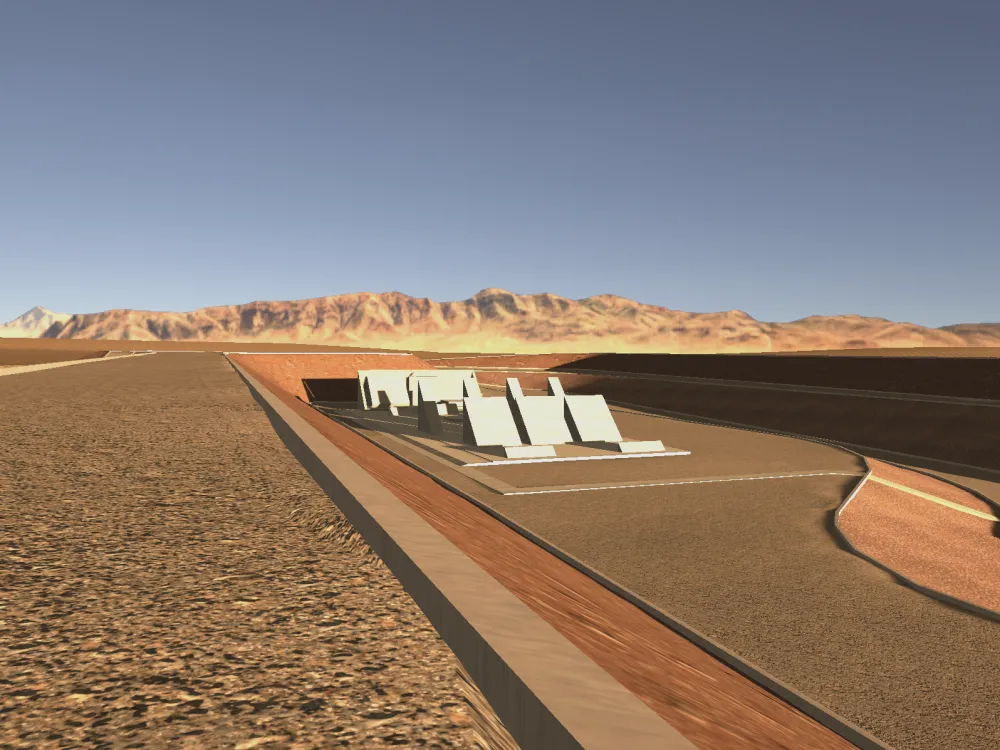
Opening Up "City"
Belmira wants to offer a virtual way to see the artwork. She aims to challenge the idea that art access should be restricted. Instead, she favors a more open approach.
We're a new kind of news feed.
Regular news is designed to drain you. We're a non-profit built to restore you. Every story we publish is scored for impact, progress, and hope.
Start Your News DetoxShe told ARTnews she made the game because she genuinely wanted to show "City" to more people. Belmira also sees it as a critique of what she calls a "bourgeois scar on the earth," even if it's beautiful. She noted she didn't like "City" at first and saw her project as a way to "undermine its power."
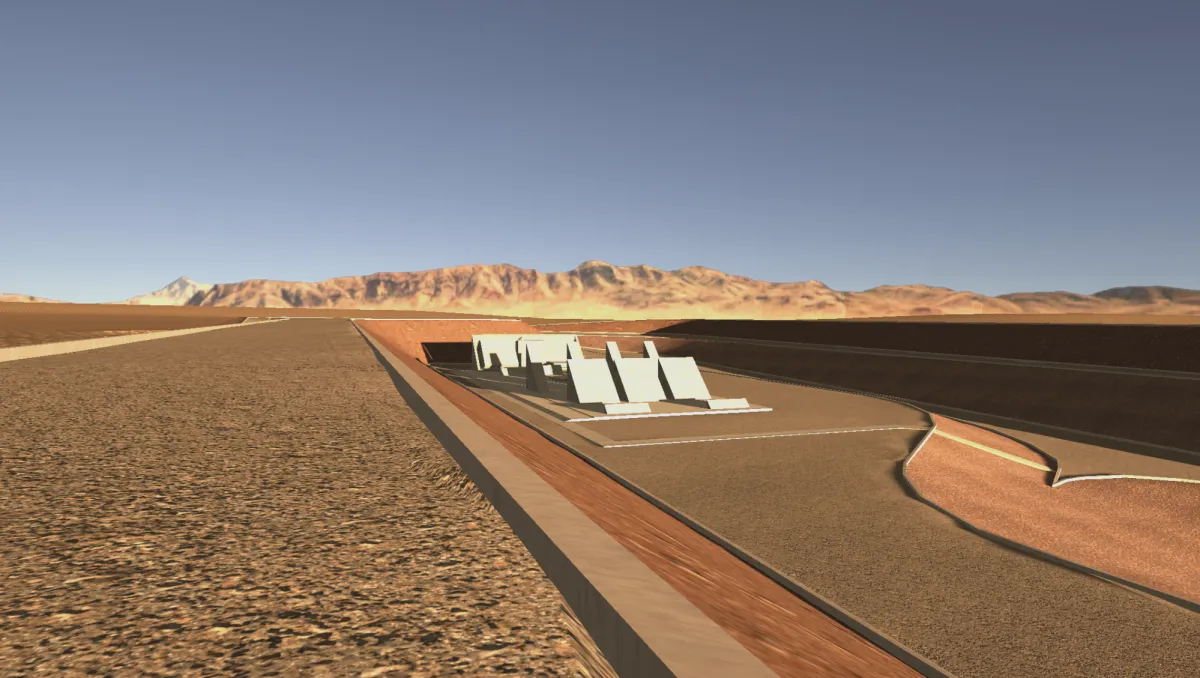
Players of Belmira’s "City by Michael Heizer [Free Version]" start behind a no-trespassing fence. An opening in the fence lets users explore a simulation of Heizer’s landscape. This landscape features paths, mounds, and depressions. Strange, abstract geometric sculptures appear, looking both ancient and futuristic.
Belmira used LIDAR data and Google Maps satellite imagery to model the terrain.
The Power of Exclusivity
Belmira feels the game "is forgiving [Heizer] in some way." However, she still wonders how an artwork seen by so few people can have so much power. She points to "City’s" "aura" and its role in making the surrounding land a national monument in 2015.
The game asks if making an exclusive artwork available online could free it and its creator. This could remove the economic ties that prevent many from experiencing the art.
"City" took about 50 years to build, starting in the 1970s. It cost $40 million. Heizer’s works often spark criticism, similar to Belmira’s views. ARTnews senior editor Alex Greenberger described Heizer’s creations as having a "muscular, macho sensibility." Others argue his work ignores Indigenous perspectives of the land.
Virtually exploring "City" in Belmira’s game helps clarify some of its mysteries. Cell phones are not allowed at the actual site, and images of "City" are limited. The game gives a better sense of its scale and form without needing to endure the desert heat. The experience can make people curious to see more, and perhaps even visit the real "City" one day.