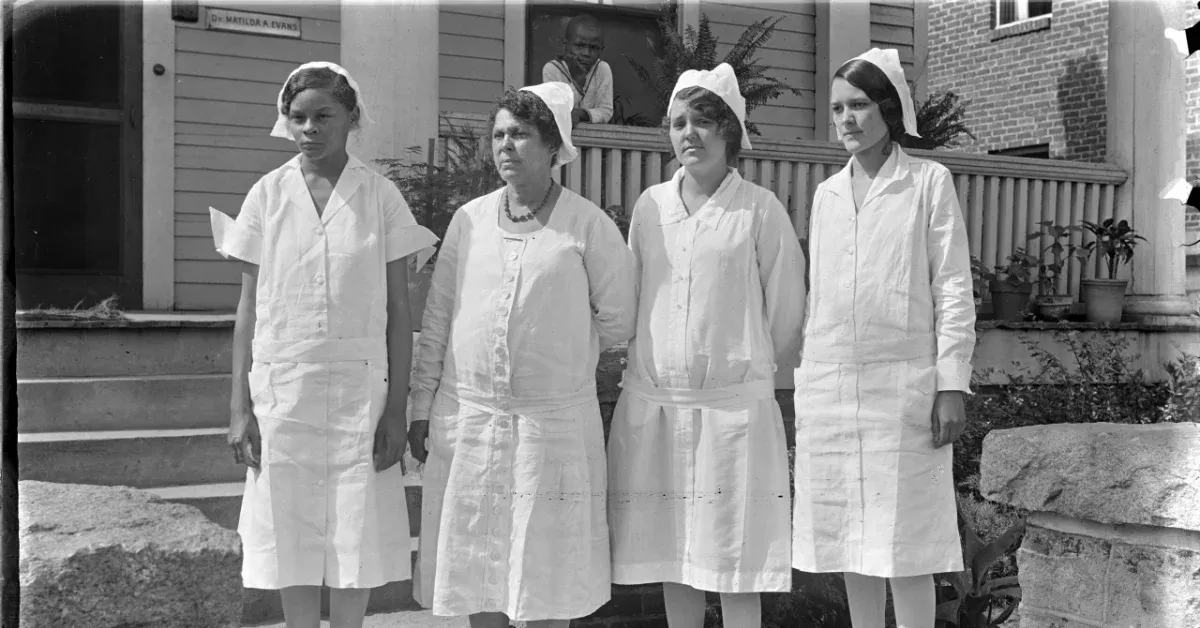
A young boy wraps his arms around his pet rooster, looking straight into the camera. A boxer crouches, gloves up, ready to fight. Nurses in white stand outside the home of Dr. Matilda Evans, South Carolina's first Black woman licensed to practice medicine.
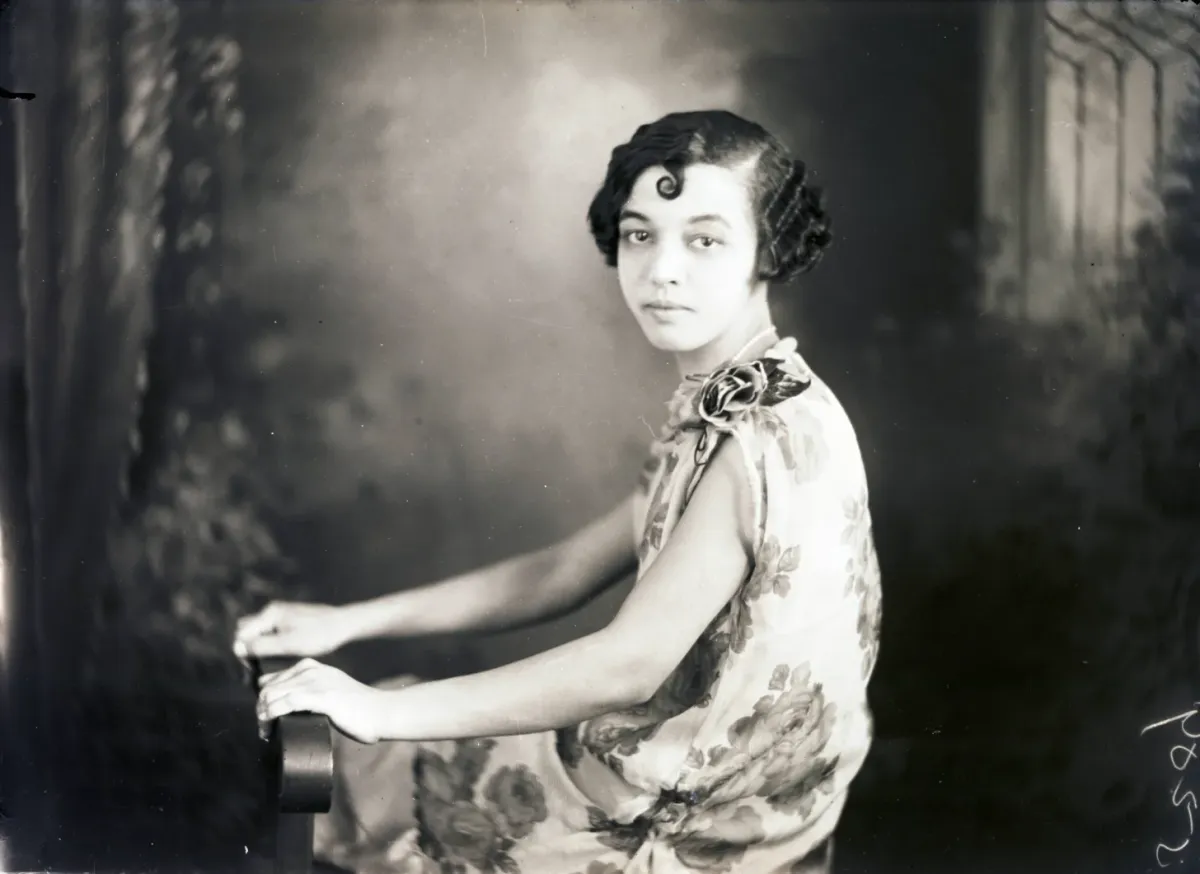
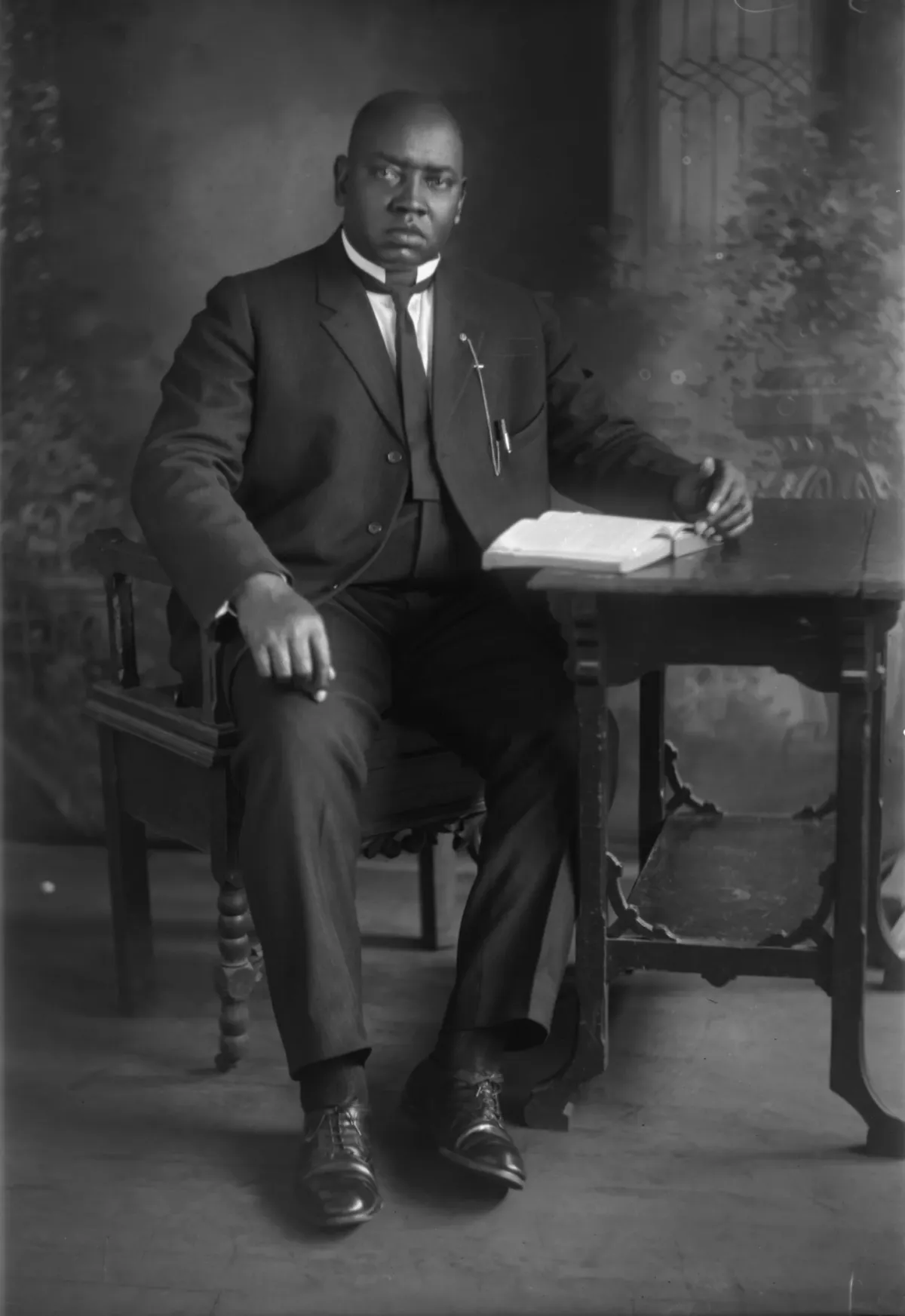
These powerful images are part of a collection of nearly 6,000 historic photographs by Richard Samuel Roberts. They show Black families and the community in Columbia, South Carolina. For the first time, these pictures are available online for free.
Rachel Young, a historian at the Center for Civil Rights History and Research at the University of South Carolina, explained the importance of the collection. She noted that these pictures show African Americans as they wanted to be seen and remembered. They also reveal people and places that history often overlooked or forgot.
We're a new kind of news feed.
Regular news is designed to drain you. We're a non-profit built to restore you. Every story we publish is scored for impact, progress, and hope.
Start Your News DetoxCapturing a Community's Story
The effort to digitize the Roberts collection took decades. It involved the Roberts family, librarians, and researchers at the University of South Carolina.
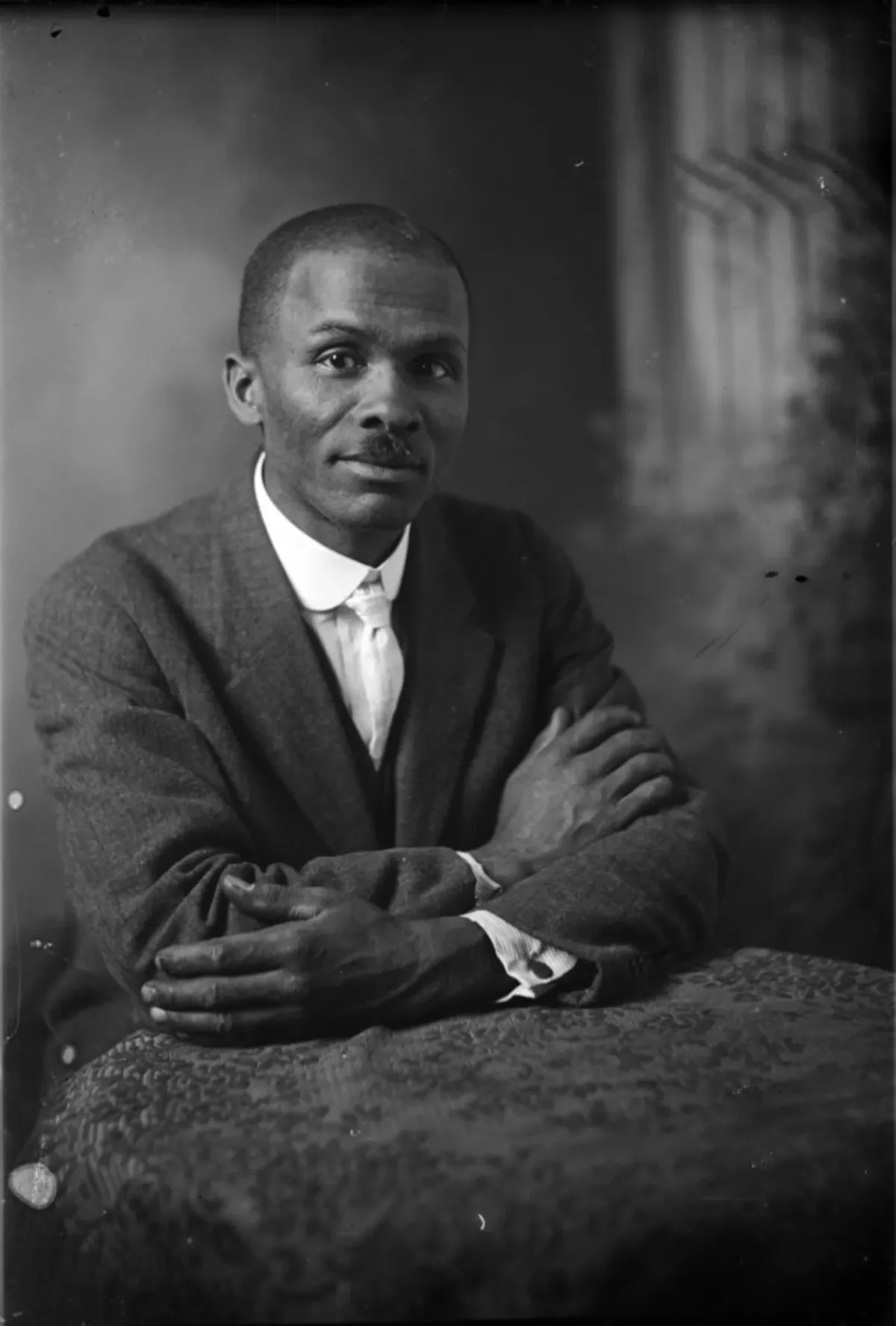 Richard Samuel Roberts. Courtesy of USC libraries/Richard Samuel Roberts collection
Richard Samuel Roberts moved his family to Columbia in 1920. He settled in Ward One, a Black working-class neighborhood that has since changed due to university expansion. Roberts worked as a custodian at the U.S. Post Office from 4 a.m. until noon. After his shift, he went to his photography studio on Washington Street. There, he used glass plate negatives to capture images of his community.
 Courtesy of USC libraries/Richard Samuel Roberts collection
His studio was a single room with areas for dressing, waiting, a dark room, and a workspace. He even designed special equipment to manage light and retouch negatives.
Bobby Donaldson, executive director of the civil rights center and a history professor at USC, called Roberts an artist and a historian. He said Roberts aimed to tell a full history of African American life in Columbia and South Carolina. Roberts knew he was telling a story that went against common stereotypes about Black people.
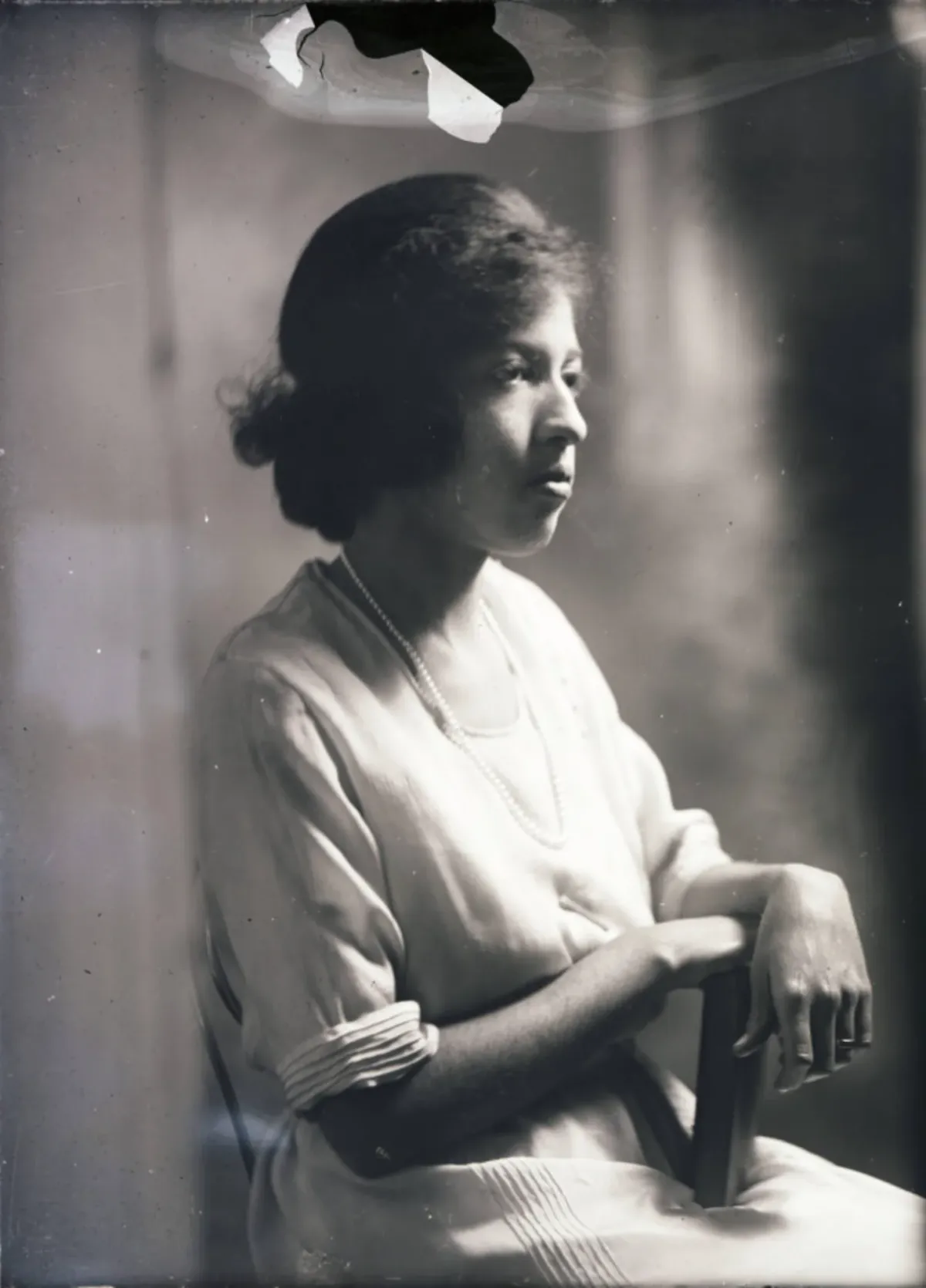 This portrait of Modjeska Simkins may have been taken during the time she taught at Booker T. Washington High School. Courtesy of USC libraries/Richard Samuel Roberts collection
In the 1970s, former South Caroliniana Library field archivist Tom Johnson worked with the Roberts family. They moved boxes of negatives from the family home's crawlspace to the university library for preservation. Johnson and photography instructor Philip Dunn developed some negatives to see their content.
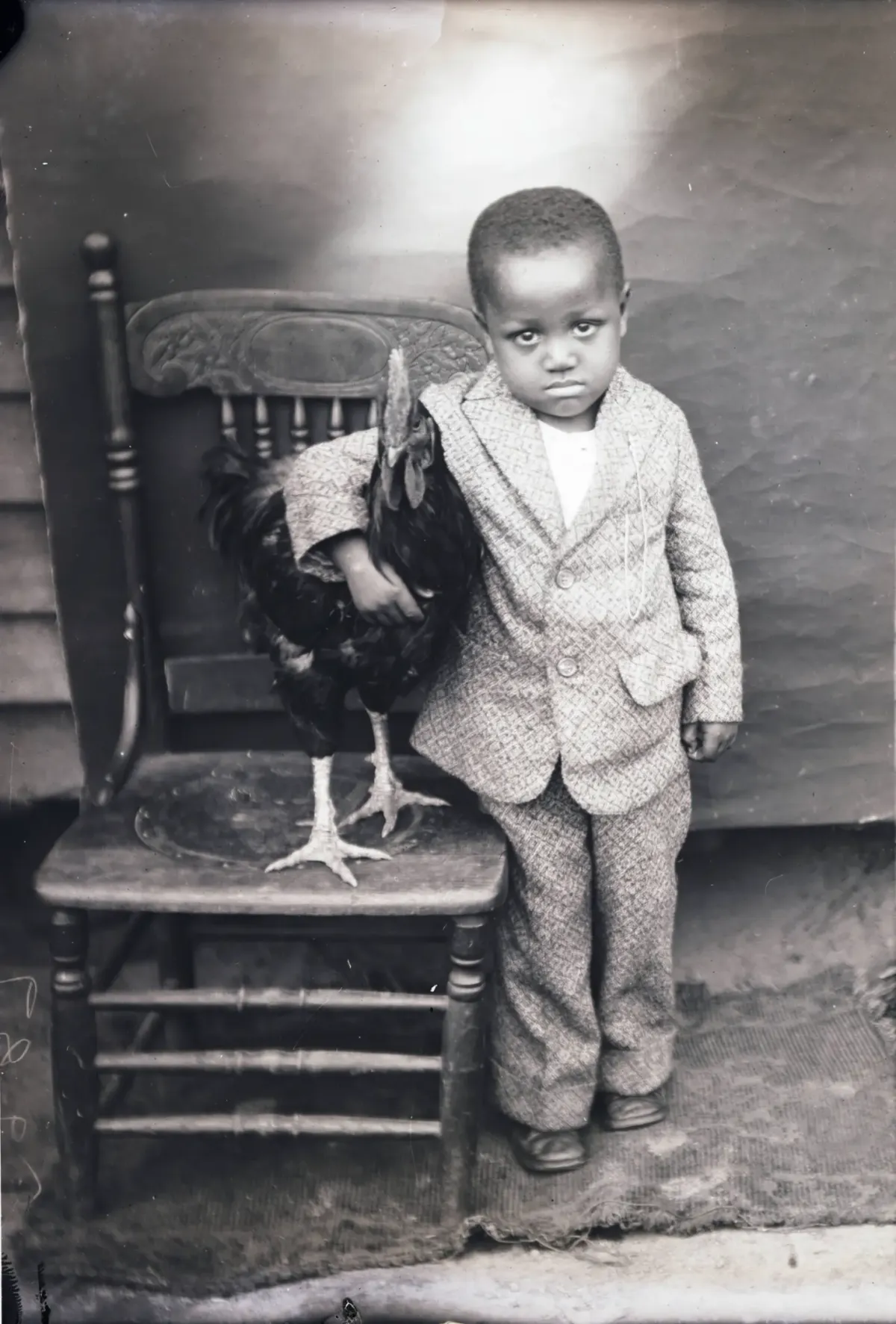 Courtesy of USC libraries/Richard Samuel Roberts collection
They found compelling photographs showing a wide range of Black life in the state capital during the early 20th century. The images included farmers, socialites, babies, funerals, students, magicians, businesses, and community leaders. Notable figures like Modjeska Monteith Simkins, a Civil Rights Movement leader, and teacher Celia Dial Saxon are also featured.
Abby Cole, a spokeswoman for the university’s library system, noted the unique depth of humanity in these photos.
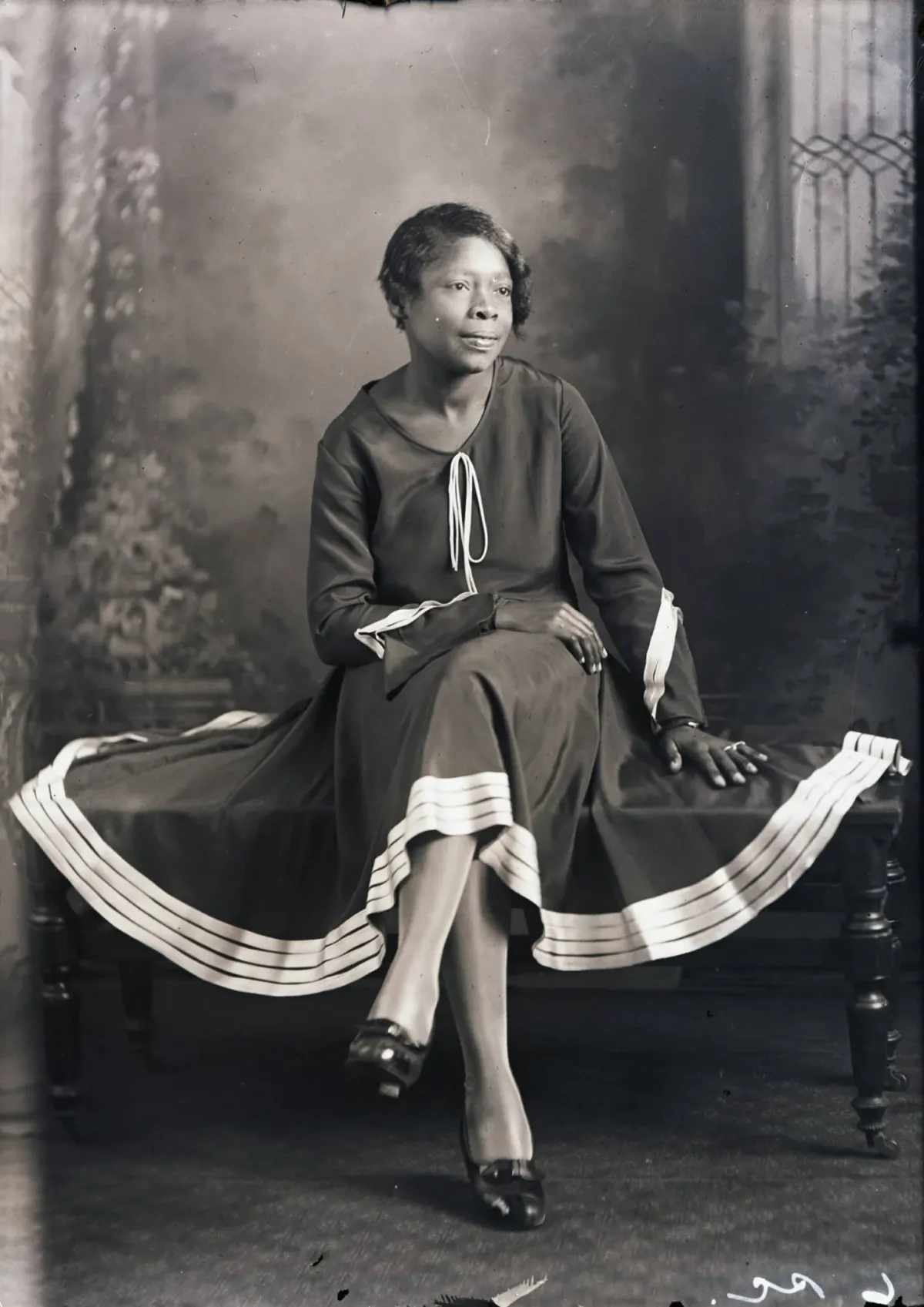 Courtesy of USC libraries/Richard Samuel Roberts collection
Bringing History Home
The University South Caroliniana Society purchased the collection from the Roberts family estate in 2020. In 2024, the civil rights center hired students to digitize the photos. This made the collection accessible to everyone online.
Some people in the photos are named in the collection. The center and libraries hope that people will engage with the online collection and help identify others. Donaldson believes these photographs stir memories and help people recall details that might otherwise be forgotten. Viewers can submit identifications or notes on each image.
Many people pictured have descendants who still live in Columbia. Family Court Judge Michelle Hurley is one of them. Her great-grandparents lived next door to Roberts. Hurley's grandmother, Anna Mae Manigault-Hurley, was the first female embalmer licensed in South Carolina. Her family's funeral home served the Black community in Columbia for almost a century.
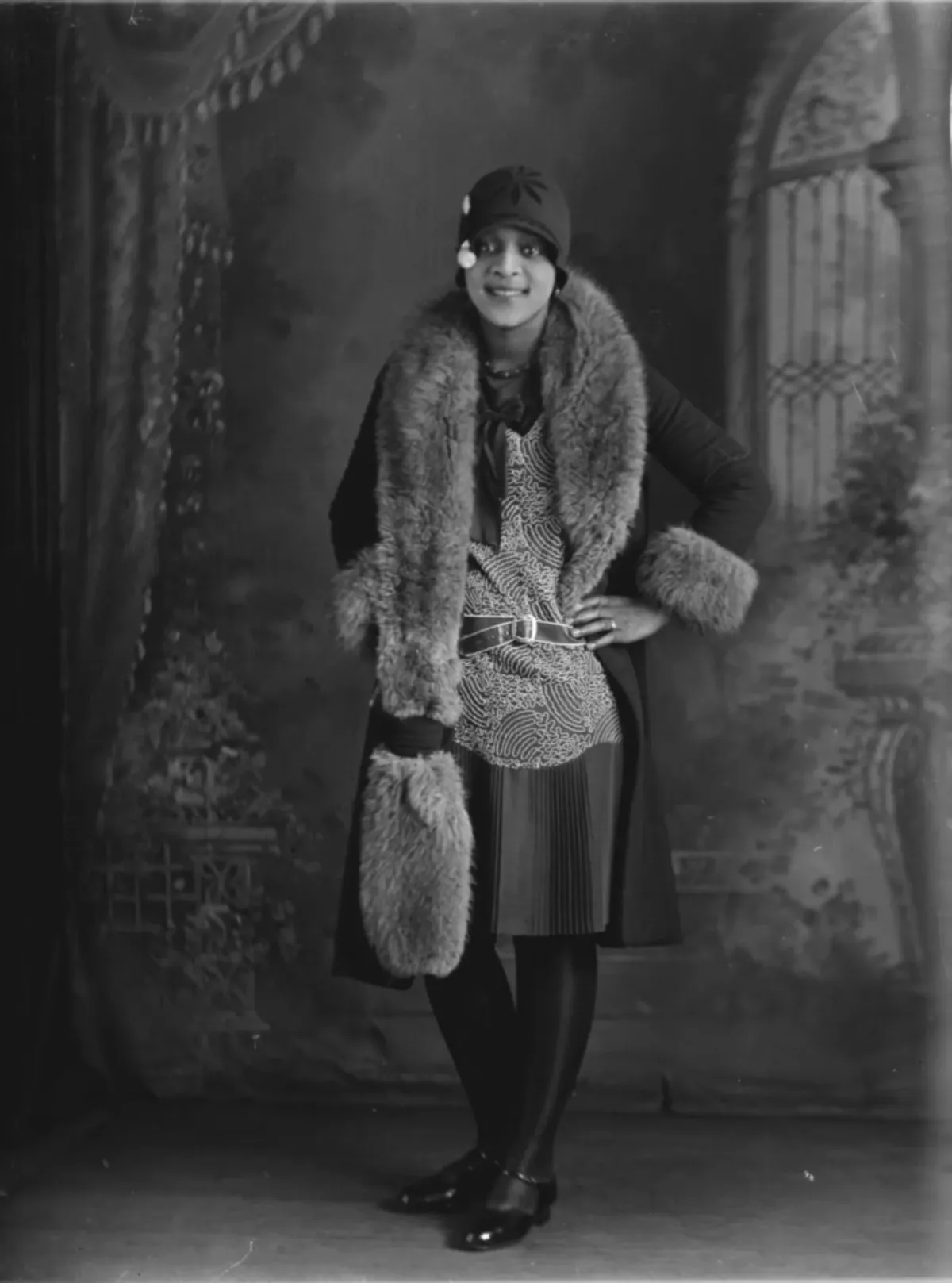 Annie Mae Manigault Hurley (1907-1976) was a mortician who graduated from the Renouard School of Embalming in New York. Courtesy of USC libraries/Richard Samuel Roberts collection
Hurley said people wanted their stories told, so they went to Mr. Roberts. She believes these photos tell family stories and help people identify their ancestors. They bring history home, allowing people to connect with their past.
 Courtesy of USC libraries/Richard Samuel Roberts collection
Judge Richard Warren Roberts, one of Roberts’ surviving grandchildren, grew up hearing stories about his grandfather. He noted that seeing family members in these photographs, including their clothes, offers insights into their lives and work. These revelations give people a greater sense of self.
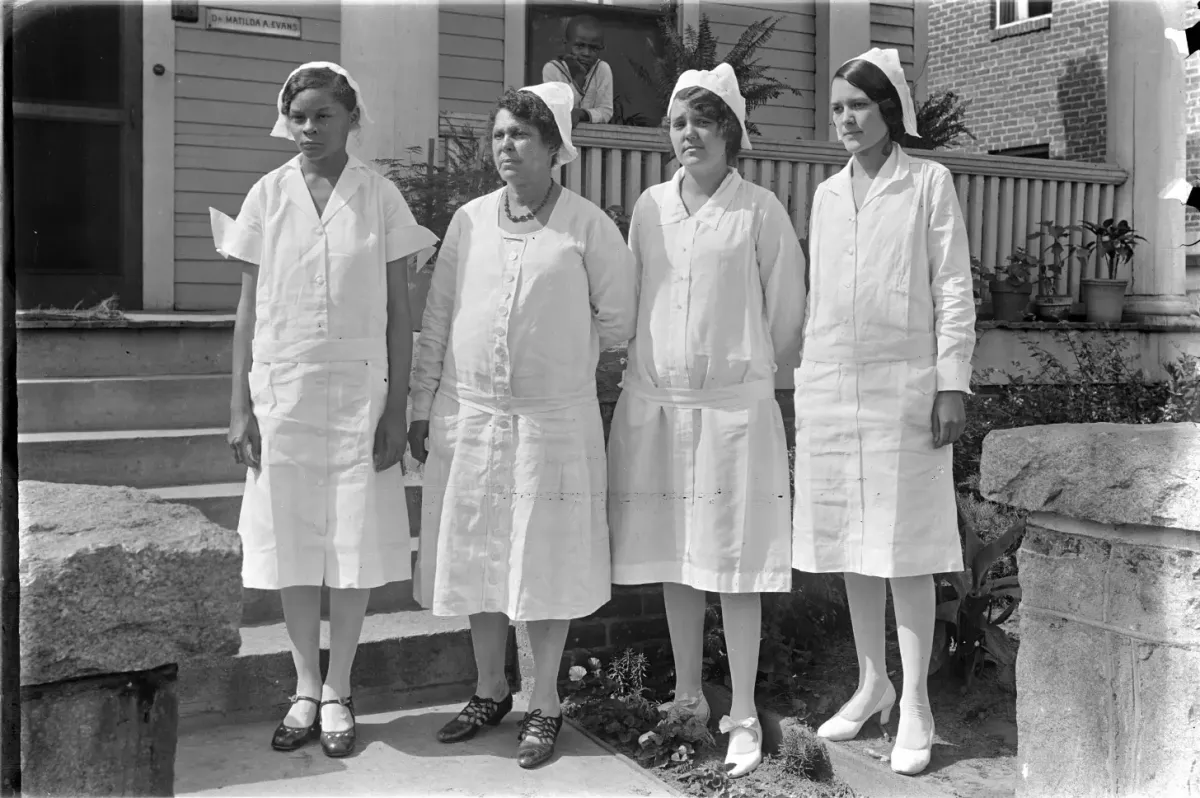 Nurses outside of the home of Dr. Matilda Evans. From left to right: Gretchen Evans, Sarah Green, Elizabeth Harris, and Mattie Evans. In the background, Dr. Evans' grandnephew, Edward Evans, leans on the porch railing. Courtesy of USC libraries/Richard Samuel Roberts collection
Abby Cole, who helped digitize the collection as a student, described it as a passion to recapture history. She explained that these communities were often overlooked. There has been historical distrust between minorities and universities or archives, which decide what stories are told. This effort aims to rebuild those bridges and preserve these communities' stories alongside more commonly told narratives.
Deep Dive & References
Dr. Matilda Evans - National Library of Medicine Richard Samuel Roberts Photograph Collection - University of South Carolina Libraries Center for Civil Rights History and Research - University of South Carolina Booker T. Washington High School - South Carolina Daily Gazette, 2023 Modjeska Monteith Simkins - Historic Columbia Matriarch of the Civil Rights Movement - National Park Service Celia Dial Saxon - University of South Carolina Manigault-Hurley Funeral Home - The State, 2017 Anna Mae Manigault-Hurley - South Carolina African American History Online