In August 2020, as COVID-19 shutdowns were ramping up, Vikash Tatayah faced an impossible choice. The director of the Mauritian Wildlife Foundation had to evacuate a group of endangered lesser night geckos from their island home — not because of the virus, but because an oil slick was creeping toward them.
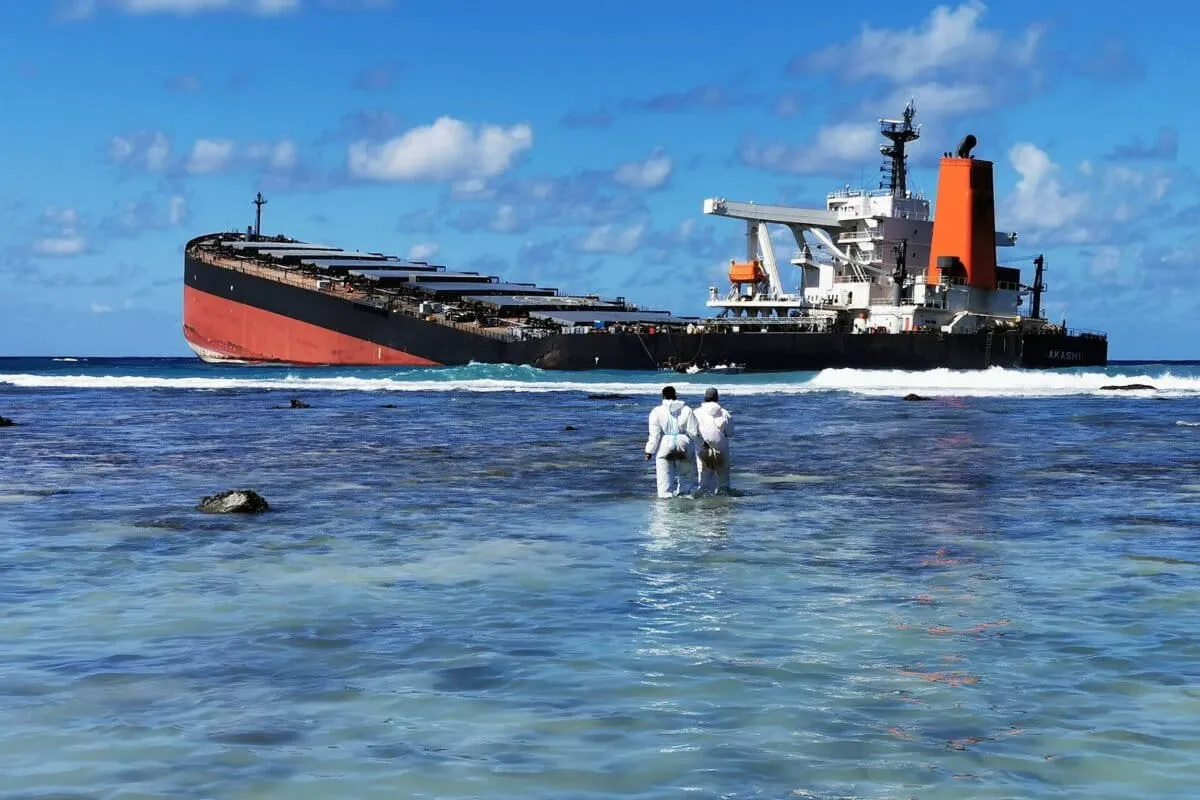
On July 25, the cargo ship MV Wakashio had run aground on coral reefs off Mauritius' southeastern coast. Within weeks, around 1,000 metric tons of oil spilled into the Indian Ocean. The slick spread north across 30 square kilometers of coastal water, eventually affecting an estimated 96 square kilometers of marine and coastal ecosystems. It was one of the worst environmental disasters in the island nation's history.
The timing was catastrophic. The spill threatened three protected areas: the Blue Bay Marine Park (a coral hotspot), the Pointe d'Esny Wetland (a Ramsar-listed mangrove site), and the Ile aux Aigrettes Nature Reserve — home to those threatened geckos and other rare species.
We're a new kind of news feed.
Regular news is designed to drain you. We're a non-profit built to restore you. Every story we publish is scored for impact, progress, and hope.
Start Your News DetoxWhat Went Wrong, What's Happening Now
More than five years later, the picture is mixed. Some areas have begun to recover. The Pointe d'Esny Wetland shows signs of mangrove regrowth. But other sites, particularly around Ile aux Aigrettes, are still struggling to bounce back.
Tatayah and other environmental advocates have been candid about the initial response: it was slow and uncoordinated. The Mauritian government didn't have an oil spill contingency plan in place. When the disaster hit, they were improvising.
"They didn't have an oil spill contingency plan in place, and they were not prepared to deal with a disaster of this magnitude," Tatayah said.
What has happened since tells a more hopeful story, though an incomplete one. The government established the Wakashio Oil Spill Restoration Fund, drawing contributions from the Mauritian government, the ship's owner, and international donors. This money has funded mangrove replanting, marine ecosystem monitoring, and ongoing cleanup efforts. Progress is visible — but the full extent of the damage to fish populations, coral, and coastal habitats remains unclear.
The real lesson isn't that Mauritius failed to recover. It's that they're still in the middle of it, and the path forward requires what the disaster revealed was missing: robust emergency planning, continuous ecosystem monitoring, and stronger regulations to prevent similar incidents.
Tatayah put it plainly: "We need to learn from this experience and make sure that we are better prepared to respond to environmental emergencies in the future." Five years on, that preparation is still underway.