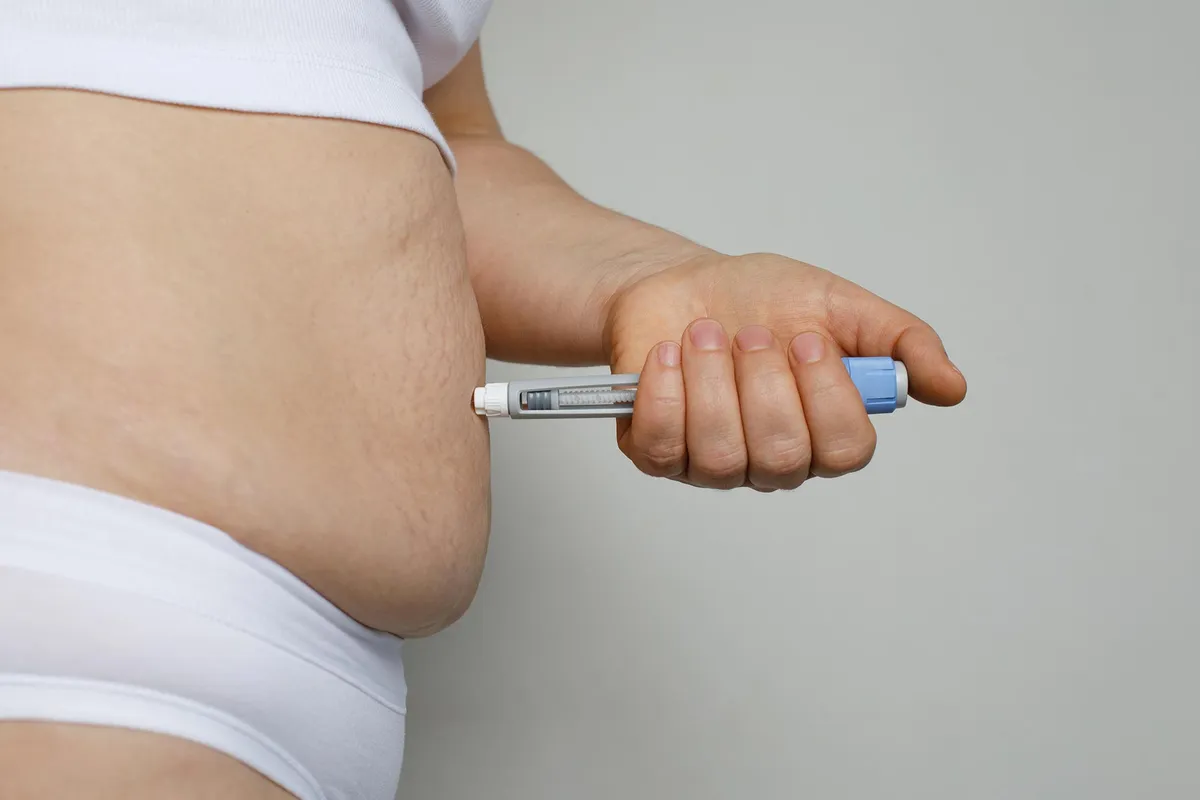
Turns out, the medication making headlines for weight loss might have a hidden talent: keeping your bones from breaking. A new study suggests that people with type 2 diabetes on semaglutide (you know it as Ozempic, Wegovy, Rybelsus) not only shed more pounds but also experience fewer bone fractures than those on other common weight-loss meds.
Now, that’s a plot twist. Especially since rapid weight loss has historically been linked to weaker bones. But this research points to a 15% lower fracture risk with semaglutide, which, if you think about it, is both impressive and slightly counter-intuitive.
The Bone-Weight Conundrum
Semaglutide is a GLP-1 receptor agonist, part of a class of drugs often prescribed for obesity and type 2 diabetes. The general wisdom used to be: lose weight too fast, and your skeleton might pay the price. Slower weight loss was the preferred path for bone density.
We're a new kind of news feed.
Regular news is designed to drain you. We're a non-profit built to restore you. Every story we publish is scored for impact, progress, and hope.
Start Your News DetoxEnter Stanford University scientists, who noticed semaglutide often leads to more significant weight loss than its predecessors. The question was: what does that mean for bones? Dr. Jairo Noreña and his team dove into the data, comparing BMI changes and fracture rates in adults with type 2 diabetes.
They looked at semaglutide users against those on dulaglutide or other oral weight-loss drugs like phentermine/topiramate and bupropion/naltrexone. Because, as Dr. Noreña dryly observes, bone fractures are "painful and costly" and generally put a damper on one's golden years.
Crunching the Numbers (Not the Bones)
The researchers sifted through health records from over 161 million patients in U.S. hospitals. Their focus: adults 18 and older with type 2 diabetes, with no prior fractures or osteoporosis meds on board. The semaglutide group clocked in at 26,324 participants, facing off against a comparison group of 33,555.
The results? The semaglutide crew saw greater BMI reductions and fewer fractures. Specifically, 794 fractures in the semaglutide group versus 1,045 in the control group. Let that satisfying number sink in.
Dr. Noreña calls this "an important first step" in understanding how this popular weight-loss drug impacts bone health. Which means we might be looking at a future where losing weight doesn't have to come with a side of brittle bones. And that's a win, even if it does make you raise an eyebrow at conventional wisdom.