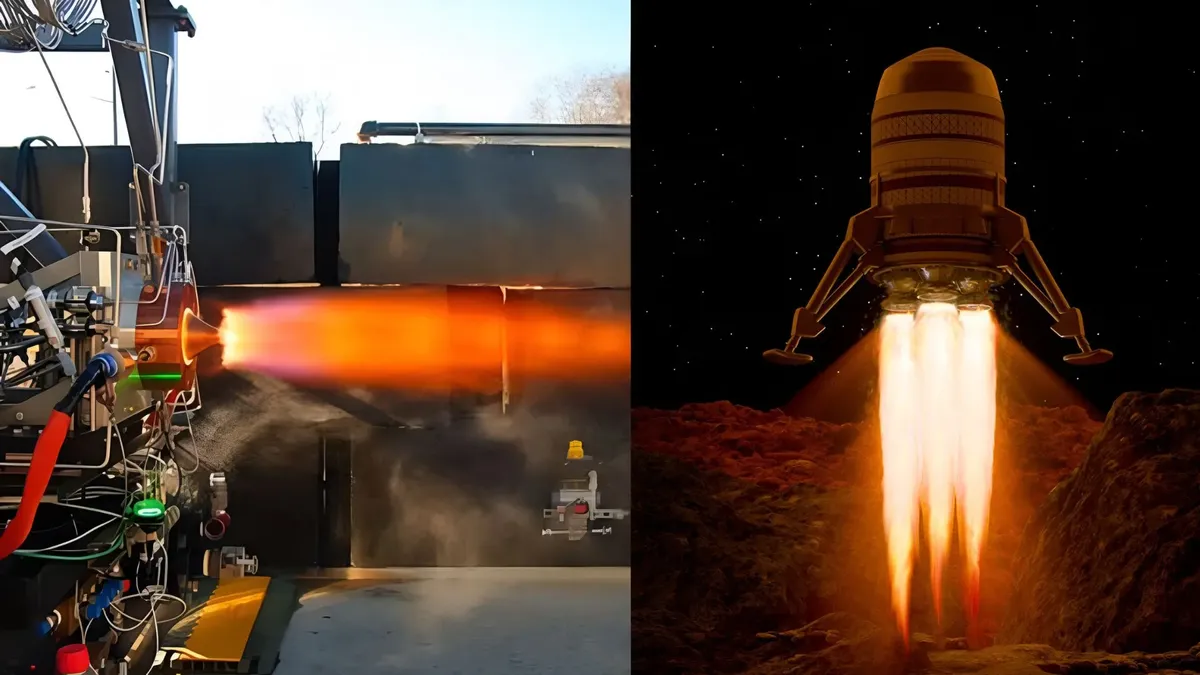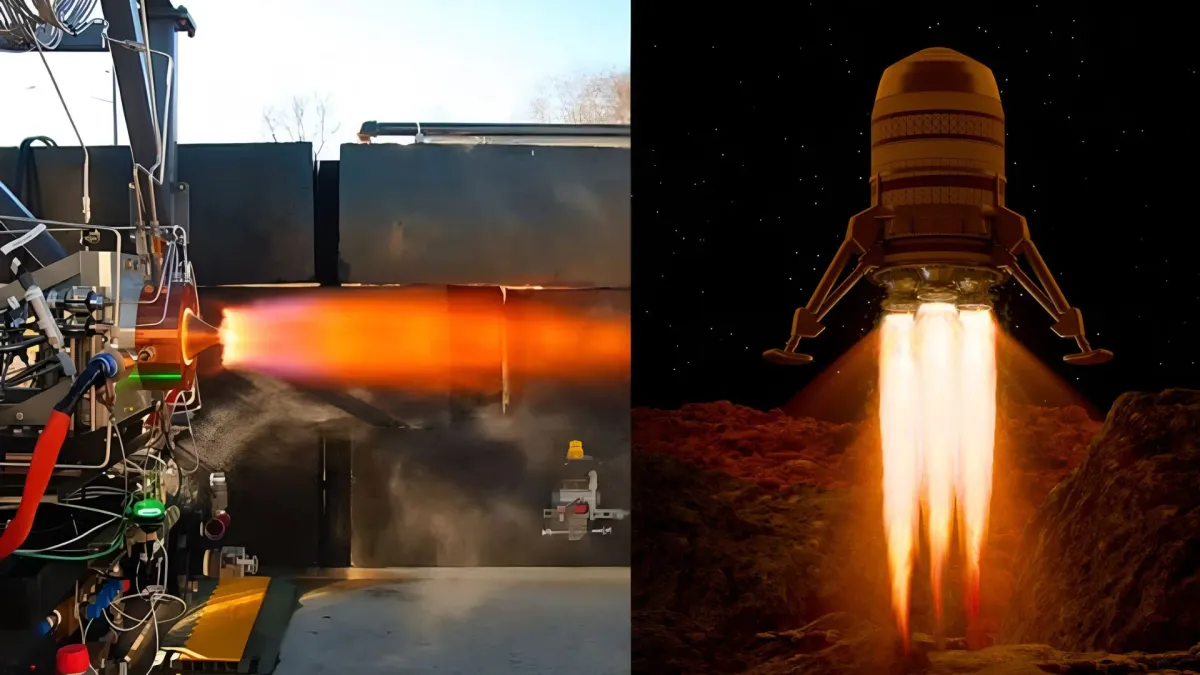
Most rocket engines politely combust. They burn fuel in a controlled, steady way, like a well-behaved campfire. But then there's Venus Aerospace, which just opened a new facility in Houston to test an engine that, well, detonates. On purpose. Repeatedly. And that, apparently, is a good thing.
Welcome to the Houston Spaceport, where Venus Aerospace is now putting its "rotating detonation rocket engine" through its paces. Think of it as a very exclusive, very loud fireworks show for aerospace engineers. The new test stand means more room, longer tests, and the ability to really push this engine to its limits – simulating actual flight conditions without, you know, actually flying anything into space just yet.
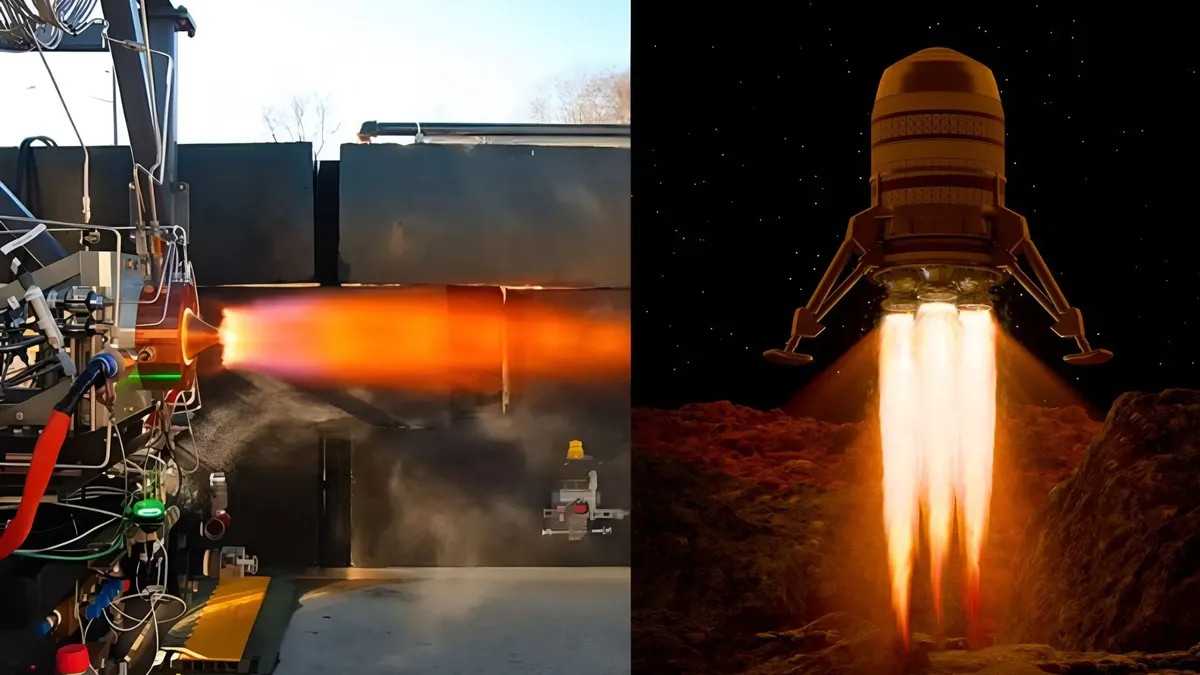
They even showed it off on September 10th with a live "hot-fire test" for Texas aerospace bigwigs and local space industry folks. Because nothing says "we're serious about the future" quite like a controlled explosion for an audience.
We're a new kind of news feed.
Regular news is designed to drain you. We're a non-profit built to restore you. Every story we publish is scored for impact, progress, and hope.
Start Your News DetoxThe Art of the Controlled Detonation
So, why all the fuss over an engine that sounds like it's trying to escape itself? Traditional rockets use deflagration (a fancy word for burning slowly). These new engines, however, harness detonation waves – supersonic blasts that move faster than the speed of sound, creating a continuous, high-pressure explosion that generates thrust. It's a bit like trying to catch lightning in a bottle, if the lightning was also propelling you at Mach speeds.
Making this concept work in a lab is one thing. Getting the hardware to handle continuous, high-power detonations without immediately disintegrating is quite another. That's where the new test stand comes in. It's built for longer, more powerful operations, which means more data, more tweaks, and fewer surprises when they eventually strap this thing to a plane.
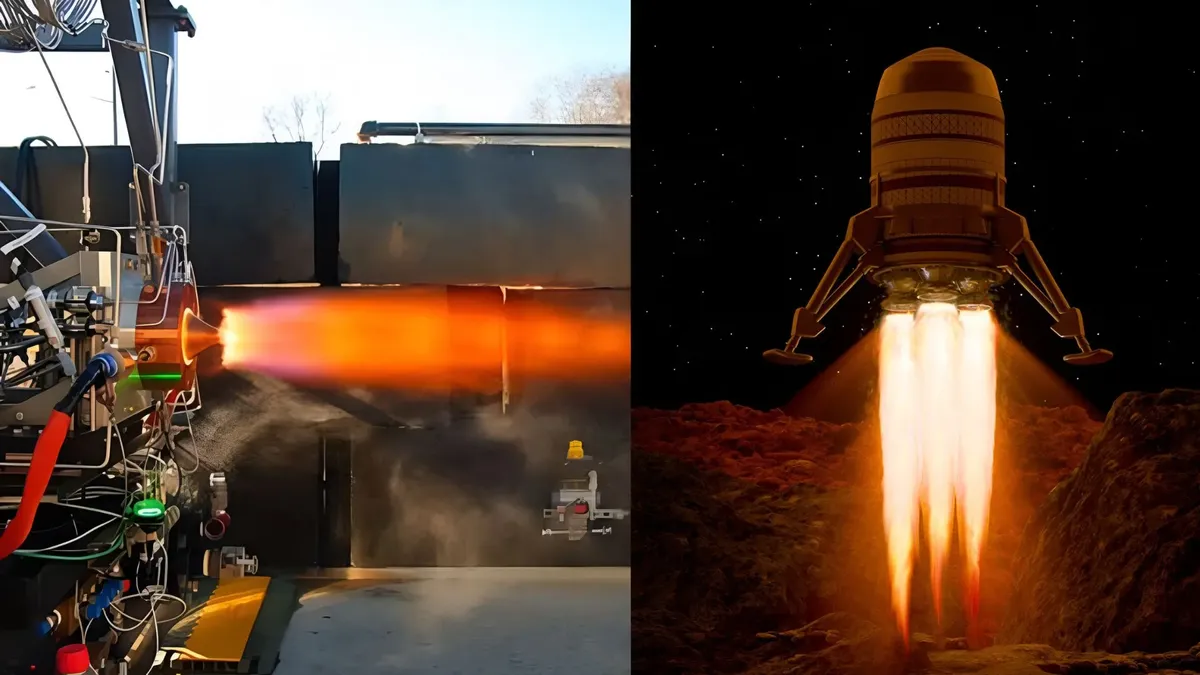
Sassie Duggleby, Venus CEO and co-founder, pointed out that these propulsion programs need serious infrastructure to keep up. She also gave a shout-out to the Texas Space Commission and the State of Texas for helping fund the whole explosive endeavor. Apparently, Texas is really leaning into the "everything's bigger here, including our rocket test stands" vibe.
This new facility is part of a larger push to make Texas a major aerospace hub. And Venus is certainly doing its part, having recently raised a cool $91 million in a Series B funding round and making headlines in May 2025 for successfully flight-testing what they called the world's first high-thrust rotating detonation rocket engine. Because if you're going to detonate, you might as well be the first to do it really, really well.
Now, the real work begins: turning this high-tech party trick into a reliable propulsion system for actual missions. The upcoming tests will be longer, more demanding, and hopefully, just as spectacularly loud. All in the name of going very, very fast.